
Dairy Alternatives in Hormone-Supportive Cooking
Incorporating dairy alternatives into your cooking can significantly benefit your hormonal health. Many dairy products can disrupt hormones due to lactose and certain proteins. Luckily, numerous options are available for individuals seeking hormone-friendly recipes. Alternatives such as almond milk and coconut yogurt are rich in nutrients while avoiding dairy’s drawbacks. Substituting dairy with these products can help balance hormones and reduce inflammation in the body. You can easily use almond milk in smoothies or replace sour cream with coconut yogurt in your favorite dishes. These alternatives maintain flavors while offering nutritional benefits. Moreover, experimenting with different dairy substitutes can enhance the culinary experience and provide additional health benefits. It’s essential to read labels to ensure these dairy alternatives do not contain hidden sugars or additives that might hinder hormonal balance. Try choosing unsweetened or minimally processed options whenever possible. Other popular dairy alternatives include oat milk and cashew cheese, which can add a creamy texture to recipes. By opting for these substitutes, you’re making a powerful choice toward positive hormonal health.
Additionally, using plant-based alternatives can have a positive influence on your gut health. Fermented dairy products can cause digestive issues for many people, leading to imbalances in gut bacteria. Plant-based yogurts and kefirs made from coconut or cashews are excellent options that also promote gut health. They contain probiotics, which help maintain a healthy digestive system and enhance nutrient absorption. Furthermore, these alternatives are often high in fiber, which is essential for regulating hormones and improving metabolism. Fiber-rich foods help eliminate excess estrogen from the body, promoting hormonal balance. You can add these yogurt substitutes into breakfast bowls or smoothies for an added health boost. Also, blending them into dressings or sauces enhances flavor and nutrition without the downsides of dairy. As you explore these alternatives, the versatility of plant-based ingredients will shine through. Experimenting with different flavors can lead to delicious and unique meals. Remember, incorporating more whole foods and minimizing processed items is crucial for optimal hormone support. Achieving a balanced hormonal system positively affects energy levels, mood, and overall well-being.
Different Types of Dairy Alternatives
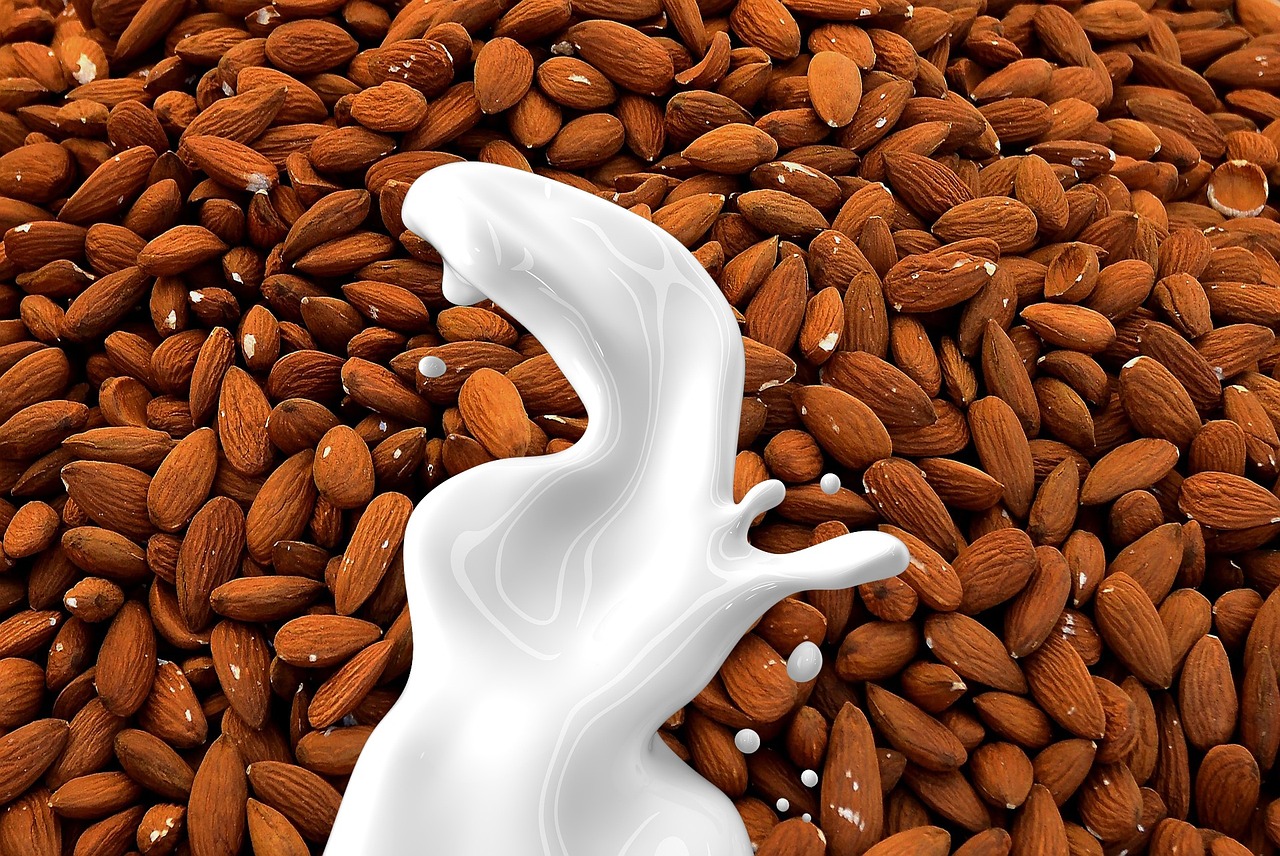
When selecting dairy alternatives, many choices are available, offering various textures and flavors. Almond milk is one of the most popular options and can be found in various forms, including sweetened and unsweetened. It has a light, nutty flavor that works well in smoothies or cereal. Coconut milk is another excellent choice, particularly for cooking curries and desserts, as it delivers a rich, creamy texture. For those who prefer a thicker alternative, cashew milk provides a velvety consistency perfect for smoothies or sauces. Oat milk has gained popularity due to its creamy texture and ability to froth, making it ideal for coffee lovers. Each of these alternatives has its unique nutritional profile, so considering dietary needs is essential. For example, those looking for higher protein content might prefer soy milk, while those needing a nut-free option may choose rice milk instead. You’ve got fantastic choices, so conducting some taste tests at home can lead to delicious discoveries. Don’t hesitate to explore these alternatives to enhance your hormone-friendly cooking endeavors.
Incorporation of dairy alternatives into recipes can also creatively enhance the flavors of traditional dishes. For those who enjoy baking, substituting regular milk for almond milk can maintain moisture while adding a nutty flavor. Think about preparing baked goods using coconut oil as a fat source, providing a delightful twist to your favorite recipes. When making sauces, using nut-based creams can create rich textures that elevate the overall dish. For example, blended cashews can mimic the richness of cream in pasta dishes without the dairy impact. Additionally, avocados can serve as a creamy base for dressings or desserts, providing healthy fats while being completely dairy-free. Dairy alternatives allow for abundant creativity in recipe development. When exploring these subs, consider local ingredients to keep your meals fresh and seasonal. Knowing where your ingredients come from can add value to your cooking experience. This also aligns with a holistic approach to health, nourishing your body with the best possible ingredients as you prioritize hormonal balance.
Health Benefits of Dairy Alternatives
Adopting dairy alternatives can bring numerous health benefits that go beyond just hormone balance. Many plant-based options are lower in calories and saturated fats compared to their dairy counterparts. This makes them great for those looking to maintain a healthy weight. Moreover, these alternatives are often enriched with vitamins and minerals, including calcium and vitamin D, important for bone health. Consuming fortified plant-based milk can help ensure you meet your daily nutritional needs, which is essential for overall wellness. The variety of flavors available can also encourage the consumption of more diverse foods and nutrients. Moreover, minimizing dairy consumption may aid individuals with lactose intolerance, allowing them to enjoy meals without discomfort. Consider trying a few different alternatives for a week to see how your body responds. Tracking how you feel and any changes in digestion or energy can provide valuable insights. Incorporating these alternatives can lead to personalized adjustments in your diet, influencing overall hormone support and well-being positively. Taste different options and include them into your daily life!
Finally, consider the environmental impact of choosing dairy alternatives. Plant-based foods generally have a smaller carbon footprint than traditional dairy production, making them an eco-friendly choice. This transition can reflect a commitment not only to your health but also to sustainability. Opting for local brands or products that use less packaging further supports your efforts to promote environmental wellness. Many dairy alternative companies focus on ethical practices, which can enhance your commitment to social and environmental responsibility. Finding local stores that offer bulk alternatives can reduce waste while ensuring you receive fresher options. As you make changes in food choices, remember the broader implications these selections have on personal health and the planet’s health. Try to inspire others around you by sharing your experiences with dairy alternatives. You may encourage friends and family to explore alternatives, promoting a supportive community around healthy eating. Building this awareness about the positive attributes of dairy alternatives becomes even more rewarding when shared with others. Let your journey toward hormone-friendly cooking influence those around you!
Conclusion
In conclusion, dairy alternatives can be a powerful ally in creating hormone-friendly meals, promoting health, and enhancing culinary enjoyment. With numerous options, it’s easy to find the right substitutes for your favorite recipes, ensuring a delicious experience without compromising hormonal health. These alternatives provide flexibility, from replacing dairy in baking to adding creaminess to sauces. Remember to look for unsweetened varieties and check ingredients for maximum health benefits. Embracing these choices encourages you to explore a variety of cooking methods and flavors that can positively impact your well-being. The more you experiment, the more you’ll discover the potential of these ingredients. As you navigate the world of dairy alternatives, consider your unique dietary needs and preferences. This personalization can create a more enjoyable cooking process resulting in meals and snacks you genuinely love. Also, consider the positive effects of plant-based eating on the environment, which can further motivate your choices. While making these shifts in your culinary practices, enjoy the learning process, and don’t hesitate to try out new recipes and combinations. By adopting dairy alternatives, you empower yourself to take charge of your nutritional needs.
This exploration of dairy alternatives offers ample opportunities to transform how we view and prepare meals. Each alternative can provide distinct flavors and benefits, enhancing our dishes while helping maintain hormonal balance. The gradual incorporation of these alternatives can lead to a deeper understanding of nutrition, cooking, and overall health. By prioritizing hormone-friendly choices, you give yourself the chance to flourish both physically and mentally. Engage in conversations about the benefits of non-dairy options with others, sharing recipes and tips along the way. Encourage community involvement by promoting workshops or sharing insights on social media platforms. Creating a network of health-conscious individuals can inspire several others to consider the benefits of dairy alternatives, cultivating awareness and appreciation for healthier food choices. As you embark on this culinary adventure, remember to savor the journey. Appreciate the delicious new flavors at your fingertips and the positive changes in your overall well-being. Explore innovative dishes, friendly cooking methods, and access to wholesome foods. In doing so, you embrace a lifestyle that prioritizes both your health and the well-being of the planet, making an impactful, supportive choice for your journey.