
Customizing Warm-up and Cool-down Routines in Personal Training
Warm-up and cool-down routines are essential components in personal training. They help prevent injuries and improve overall performance. A tailored warm-up can prepare the body for exercise by gradually increasing heart rate and blood flow to muscles. This can involve dynamic stretches and specific movements that mimic exercise patterns. For effective warm-ups, focus on engaging the major muscle groups, ensuring flexibility, and boosting joint mobility. The aim is to enhance muscular and cardiovascular efficiency. Incorporating exercises like leg swings, arm circles, and torso twists can be beneficial. Additionally, it’s crucial to consider the individual’s fitness level and any pre-existing conditions. Adjusting the intensity and duration based on personal requirements can yield the best results. Moreover, utilizing specific recommendations based on the athlete’s sporting discipline can create optimal conditions for their performance. After workouts, the cool-down phase is equally important; it aids in recovery and flexibility. Gradually reducing intensity allows the body to return to equilibrium. Static stretching during cool-down focuses on elongating the muscles, helping to maintain flexibility and prevent soreness.
Cool-down routines should comprise gentle stretching and relaxation techniques. These practices can significantly alleviate muscle tension and promote relaxation, aiding in the transition from high-intensity training to a state of rest. Implementing deep breathing exercises can enhance oxygen flow to muscles, aiding recovery. The duration and intensity of the cool-down should also be personalized to suit individual fitness levels. A structured cool-down can benefit athletes by promoting efficient recovery. For instance, after high-intensity workouts, it may be necessary to prolong the cool-down period to allow for proper physiological changes. Furthermore, hydration during warm-ups and cool-downs cannot be stressed enough, as optimal hydration supports every aspect of physical training. It helps maintain peak performance and reduces the risk of muscle cramps and strains. Combining hydration with cool-down stretching aids muscle recovery. It’s also advisable to keep a routine that includes feedback from clients. This will help you personalize their warm-up and cool-down protocols according to their progress and preferences. Encouraging communication can lead to more successful outcomes in personal training and help clients feel more engaged.
Importance of Periodization
Understanding the importance of periodization in warm-up and cool-down routines is crucial for success in personal training goals. Periodization refers to the systematic planning of athletic training, which can also affect protective measures during workouts. An effective training program should integrate specific adaptations for strength, endurance, and flexibility over time. By implementing varied warm-up and cool-down strategies throughout a training cycle, trainers can ensure progress and recovery are optimized. Changing routines can help avoid monotony and reduce the risk of overuse injuries. As the individual progresses, new warm-up techniques can be introduced to challenge the body differently, keeping workouts fresh and engaging. This systematic approach allows trainers to track improvements and adjust training plans accordingly. It’s also important for trainers to consider individual differences, such as age, fitness level, and training background, when adjusting periodization strategies. This personalized approach fosters a supportive training environment that motivates clients to push their limits and strive for their fitness goals. Incorporating gradual increases in intensity during warm-ups can enhance athletic performance, leading to better results over time. Likewise, periodized cool-down activities can assist in managing fatigue levels effectively.
Another important aspect of personal training is the integration of technology in monitoring warm-up and cool-down routines. Wearable devices can provide real-time feedback on heart rate and physical exertion while performing these routines. This feedback can inform adjustments to individual protocols, ensuring that warm-ups are sufficiently preparing the body for exertion. Similarly, tracking recovery metrics during cool-down routines reveals how well the athlete’s body copes with stress. Trainers can use fitness tracking apps to structure warm-up and cool-down activities based on performance metrics and personal goals. Furthermore, video analysis tools can offer insights into movement patterns during warm-ups, identifying areas requiring improvement. This quantitative data empowers trainers to create more targeted warm-up and cool-down strategies, aligning with specific fitness objectives. Utilizing this information assists in objectively measuring progress. Introducing gamification in warm-up and cooldown routines can also make sessions more engaging and enjoyable. Clients might be more responsive to motivational elements within their routine if technology is involved. Hence, embracing technology in personal training offers versatile methods to enhance the warm-up and cool-down experience, ensuring a holistic approach to fitness and wellbeing.
Creating a Balanced Routine
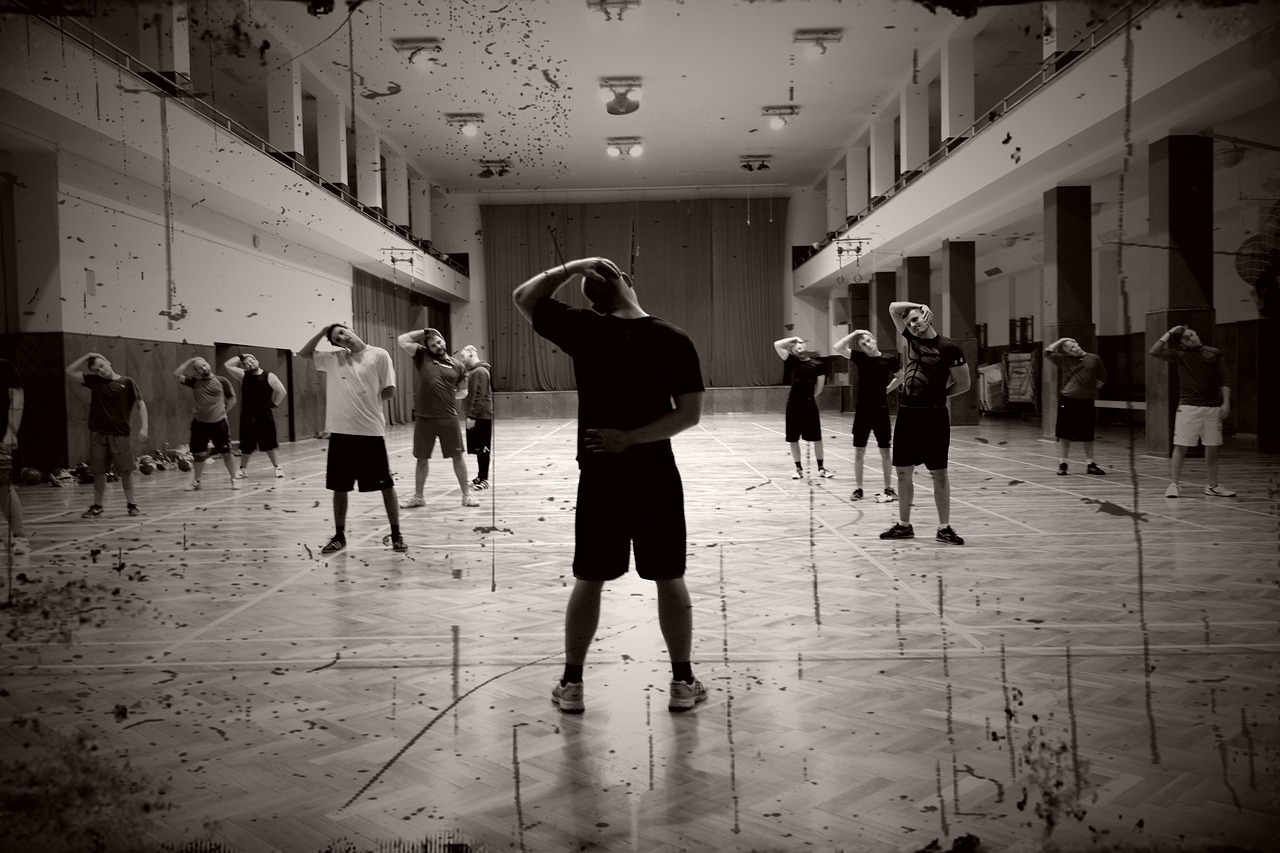
When it comes to personal training, creating a balanced warm-up and cool-down regimen promotes optimal athletic performance. A well-rounded routine encompasses flexibility, strength, and cardiovascular fitness. For warm-ups, incorporating exercises that target each of these components can effectively prepare the body for intense physical activity. A balanced routine can involve working through various movements, ensuring that no muscle group is neglected. Dynamic stretches, such as lunges with a twist and high knees, can warm up the body adequately. Transitioning to cool-down routines that emphasize stretching and breathing techniques can further enhance flexibility and relaxation. It’s equally important for trainers to educate clients about the body’s physiological responses and needs after workouts. This knowledge empowers clients to take ownership of their warm-up and cool-down routines. Creating structured plans allows clients to follow specific protocols when training independently. Providing education about muscle groups, energy expenditure, and injury prevention can contribute to their long-term success. Additionally, guiding clients in understanding the importance of consistency in their routines fosters a more sustainable approach to fitness. Balancing warm-ups and cool-downs is essential for holistic wellness.
While warming up and cooling down during every training session is vital, personalization takes this process to the next level. Trainers should analyze and document individual client responses to different warm-up exercises. This data can help develop specific routines tailored to each client’s goals and preferences. Periodically reassessing these routines ensures they remain effective and pertinent. As clients progress and adapt, their warm-up and cool-down needs may change, requiring continual adjustments. Creating a library of movements offers a flexible resource for trainers. This allows them to mix and match different warm-up components tailored for the individual. It encourages a creative approach while addressing unique requirements. Moreover, group training sessions can integrate personalized warm-up and cool-down routines that allow for individual focus within a team setting. Foster collaboration between clients by introducing partner stretches during cooldown, enhancing social interaction and camaraderie. Consider offering group challenges or stretch sessions that focus on specific areas. This collaboration fosters community growth and offers additional motivation to participants. Ultimately, developing a culture that prioritizes personalized warm-up and cool-down routines can instill an attitude of lifelong fitness among clients.
Challenging Conventional Practices
In the evolving field of personal training, it is essential to challenge conventional practices surrounding warm-up and cool-down routines. Many trainers continue to rely on outdated methodologies that may not align with contemporary research findings. Initiating discussions about these topics promotes critical thinking among trainers. For instance, examining the effectiveness of static stretching versus dynamic exercises during warm-up can yield new insights. Emerging studies highlight the potential benefits of incorporating dynamic stretches to enhance performance and range of motion. Modern training environments benefit from adapting and implementing emerging fitness methodologies focusing on functional movement patterns. Similarly, re-evaluating cool-down strategies to include foam rolling or self-myofascial release techniques can provide unique benefits. Awaken clients’ awareness of how these strategies can improve performance and support post-workout recovery. Encourage them to regularly revisit conventional training techniques and explore alternatives. This re-examination keeps the training experience fresh, ensuring clients remain engaged in their journey. Creating an open dialogue within the training community can foster innovation that benefits both trainers and clients alike. By embracing new techniques, trainers can help clients reach their true potential while continuously evolving their practice.
Ultimately, the role of warm-up and cool-down routines in personal training should not be underestimated. Recognizing the necessity for customized and effective strategies allows trainers to maximize the benefits of their clients’ workouts. Through education, communication, and personal assessments, trainers can ensure that these routines are comprehensive, effective, and enjoyable. Establish an environment of trust where clients feel comfortable voicing their needs and concerns. Fostering this sense of partnership encourages ongoing commitment to fitness and wellness goals. Clients who actively engage in their training are often more likely to experience lasting results. Start measuring the success of warm-up and cool-down routines as part of the overall training process. Utilize performance metrics to support the narrative of individual success stories, showcasing clients’ achievements. Additionally, sharing client stories and testimonials helps underline the positive impact of personalized routines. Continually adapt and innovate in personal training environments, ensuring warm-ups and cool-downs remain relevant and integral parts of the fitness journey. This ongoing commitment to improvement and personalization will further enhance the effectiveness of training programs, ultimately yielding extraordinary results for clients. Embrace a future in personal training that prioritizes individualized comfort, recovery, and performance!