
CrossFit Adaptations for Athletes with Disabilities
CrossFit is a high-intensity fitness regime that can be adapted for athletes with disabilities, allowing them to experience the community and competitive spirit of the sport. Incorporating modifications is crucial for ensuring that all individuals can participate safely and effectively. This means evaluating each exercise component, like weights, movements, and pacing. For example, instead of a traditional squat, athletes may perform seated versions to accommodate mobility limitations. The focus should be on enhancing strength, flexibility, and endurance, while always prioritizing safety. Key adaptations include using lighter weights, changing the order of movements, or employing assistive devices. Additionally, coaches should receive specific training to develop skills in adaptive modifications they can apply in settings. Understanding athletes’ unique abilities and limitations is essential for creating personalized workout plans. Celebrating small victories can significantly boost an athlete’s confidence, leading to improvement and long-lasting commitment to fitness. Encouraging a supportive atmosphere promotes the idea that fitness is for everyone, regardless of physical ability. Furthermore, peer support can play a key role in motivating athletes to push their boundaries. So, always remember: it’s about progress, not perfection.
Community Engagement
Involving adaptive athletes within the CrossFit community is vital for their growth and development. Building a local support network can make a significant difference in sustaining motivation and providing encouragement. Community engagement helps facilitate partnerships with local gyms that cater to adaptive sports. Hosting special events such as workshops can raise awareness about the needs and successes of adaptive athletes. Sharing inspiring stories can foster understanding and inclusivity within the broader fitness community, ultimately leading to more adaptive programming. Coaches and gym owners should take the initiative to promote these opportunities, encouraging athletes to train together with peers. Incorporating outreach programs will not only attract more participants but also inspire others in the community. Utilizing social media is another way to promote inclusion and provide updates about upcoming events, competitions, or success stories. Regular posts featuring adaptations and athlete transformations can motivate others to join. Additionally, local businesses can participate by supporting events through sponsorship or providing resources. Flexible participation options can accommodate various schedules and preferences, making it easier for individuals with disabilities to stay committed. This interconnected community fosters a welcoming environment for all.
Adaptive fitness should address physical and mental well-being, aiming for holistic development. It’s not solely about physical output; mental resilience is equally essential. Mental health awareness can significantly impact performance outcomes, and CrossFit’s community-oriented approach aids in this respect. Athletes should receive tools to enhance their mental readiness, including resilience training and mindfulness practices. Coaches can facilitate workshops focusing on mental strategies or incorporate these practices into regular workouts. Encouraging conversations about mental health can reduce stigma and create a safe space for athletes to express their feelings and challenges openly. It’s essential to remind athletes that struggling is part of the journey and that they are not alone. As athletes overcome barriers, their self-confidence grows, lending to improved mental health. Celebrating achievement helps maintain motivation levels, helping athletes strive to break personal records. Setting collective goals within classes can further promote camaraderie, leading to shared experiences and accomplishments. Keeping communication lines open also fosters trust, ultimately contributing to athletes’ emotional resilience. Therefore, coaches play an integral role in facilitating a supportive environment that nurtures both body and mind in adaptive athletes.
Assessing Individual Needs
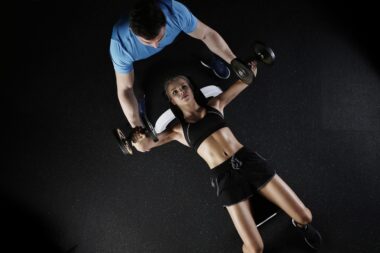
Each adaptive athlete presents unique challenges and requirements, making personal assessments vital in CrossFit training. This typically involves evaluating mobility, strength, endurance, and specific needs related to their disabilities. Personalized assessments allow coaches to tailor programs effectively, ensuring each athlete achieves their desired outcomes. Establishing rapport is fundamental; coaches should actively listen to athletes’ goals and concerns. Regularly revisiting these assessments to track progress helps in adapting training regimens and provides opportunities for celebrating achievements. Moreover, understanding athletes’ limitations is essential; for example, an athlete with limited upper body strength may not perform pull-ups. In such cases, alternative exercises, like resistance band rows, could provide similar benefits. Implementing adaptive tools, such as adjustable weights or various grip options, supports individual needs, making workouts accessible and efficient. Moreover, establishing a feedback loop enhances athlete-coach communication, supporting continuous improvement. Emphasizing modifications ensures athletes do not feel discouraged but instead embrace their workout journey. The collaboration between coaches and athletes stems from respect and understanding, creating a more inclusive atmosphere where everyone can thrive and push their limits together.
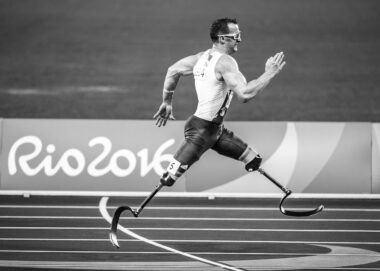
Incorporating competitive events for adaptive athletes introduces an exciting dimension to CrossFit training. Hosting competitions designed explicitly for individuals with disabilities offers various benefits, including cultivating community and fostering healthy competition. Event formats can vary, allowing athletes to choose from various workout styles and distances. These competitions showcase athleticism, determination, and capabilities while inspiring others within the community. Participation promotes confidence building as athletes work to achieve their personal best, motivating them to remain active continuously. Moreover, organizers can partner with local fitness businesses to sponsor events with adaptive equipment. This ensures smooth logistics and provides exposure to supportive brands that advocate for inclusivity. Competitions may also generate interest in adaptive CrossFit for potential athletes and spectators. Further, promoting athlete stories through local media can engage more participants and create exciting narratives that resonate broadly. Post-event recognition helps maintain motivation levels by acknowledging participants’ efforts. Sharing photos and results on social platforms amplifies visibility, encouraging a sense of pride within the community. Ultimately, fostering an inclusive competitive spirit helps unify adaptive athletes, creating exceptional shared experiences rooted in fitness and achievement.
Utilizing Technology
Technology can significantly enhance adaptive fitness training by providing valuable resources for athletes and coaches. Headphones with noise-cancellation features or wearable devices that track performance can support varying needs, allowing for custom experiences. Additionally, smartphone apps designed specifically for adaptive athletes help monitor workouts and update training plans efficiently. These applications enable athletes to connect with coaches and community members, providing opportunities for support and engagement. Furthermore, video demonstrations of modified exercises can assist in clarifying performance expectations, making workouts more accessible. Online platforms can also facilitate virtual classes, breaking down location barriers for adaptive athletes. Offering a mix of online and in-person options can accommodate differing needs within the community. As adaptive fitness continues to grow, technology will play an increasingly vital role in connecting athletes and resources. Coaches can access educational platforms to enhance their knowledge about adaptive techniques and modifications. Social media channels also create awareness and share success stories, further building community engagement. Consequently, the convergence of fitness and technology presents an exciting frontier for adaptive athletes striving for health and performance success.
In conclusion, CrossFit adaptations ensure inclusive fitness opportunities for athletes with disabilities. By assessing individual needs, promoting mental resilience, and fostering community engagement, everyone can find success in their fitness journey. It is essential to focus on modifications and personal assessments that allow adaptive athletes to thrive. Through inclusive practices, adaptive fitness encourages empowerment, builds self-confidence, and inspires perseverance. CrossFit’s commitment to community creates an atmosphere where individuals can push their limits, regardless of their physical abilities. Additionally, the use of technology can enhance communication, provide valuable resources, and create connections between athletes and coaches. Establishing an ongoing dialogue among team members strengthens relationships and builds a support network. Lastly, hosting competitive events specifically for adaptive athletes promotes visibility and provides avenues for recognizing achievement. As interest in adaptive fitness continues to grow, it is vital to ensure that all athletes feel welcome, valued, and supported within the CrossFit community. Embracing the principles of inclusivity and adaptability will shape a brighter future for adaptive sports, creating lasting impacts on participants and the community.
CrossFit adaptations ensure inclusive fitness opportunities for athletes with disabilities. By assessing individual needs, promoting mental resilience, and fostering community engagement, everyone can find success in their fitness journey. It is essential to focus on modifications and personal assessments that allow adaptive athletes to thrive. Through inclusive practices, adaptive fitness encourages empowerment, builds self-confidence, and inspires perseverance. CrossFit’s commitment to community creates an atmosphere where individuals can push their limits, regardless of their physical abilities. Additionally, the use of technology can enhance communication, provide valuable resources, and create connections between athletes and coaches. Establishing an ongoing dialogue among team members strengthens relationships and builds a support network. Lastly, hosting competitive events specifically for adaptive athletes promotes visibility and provides avenues for recognizing achievement. As interest in adaptive fitness continues to grow, it is vital to ensure that all athletes feel welcome, valued, and supported within the CrossFit community. Embracing the principles of inclusivity and adaptability will shape a brighter future for adaptive sports, creating lasting impacts on participants and the community.