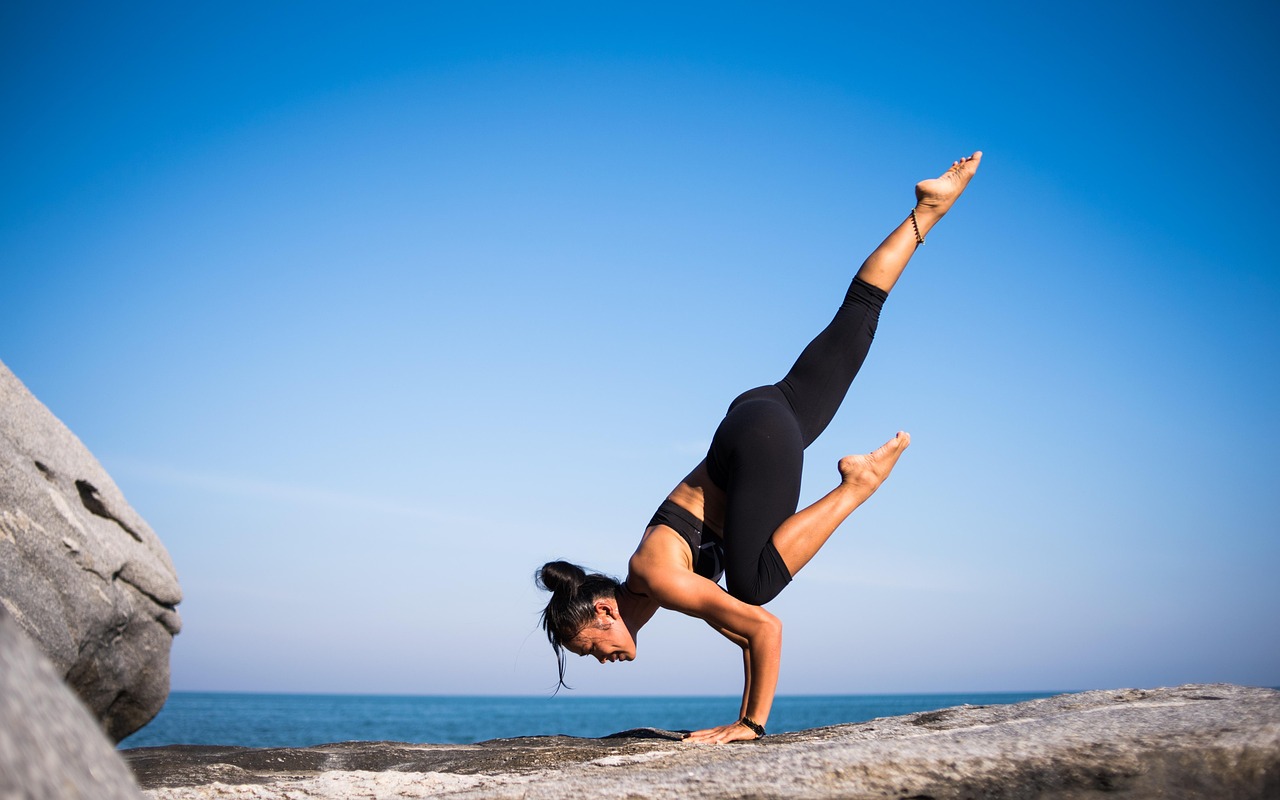

Core Conditioning Through Yoga Balance Poses
Core conditioning is essential for maintaining overall body stability and strength. Yoga poses specifically designed to enhance core strength not only engage the abdominal muscles but also improve balance and coordination. Practicing these poses consistently can lead to better posture, reduced back pain, and enhanced athletic performance. Incorporating yoga into your workout routine may help cultivate mindful breathing, which is crucial during physical exertion. When starting your journey into yoga for core strengthening, it’s essential to focus on proper alignment and technique to avoid injury. Yoga provides a holistic approach towards core training by integrating body awareness, strength, flexibility, and relaxation. You don’t need to become a yoga expert overnight; with regular practice, you’ll notice improvements in your balance and core stability. Positional awareness gained from yoga can also translate into everyday movements, ensuring you remain injury-free. Remember to listen to your body and adapt the poses to suit your level of comfort and capability. With time, patience, and commitment, core strengthening through yoga will empower you toward achieving your fitness goals.
Benefits of Core-Focused Yoga Poses
Engaging in core-focused yoga poses offers numerous benefits that enhance both physical and mental well-being. Improved core strength results in increased stability, which is vital for performing everyday activities and sports. A robust core also plays a vital role in supporting the spine, reducing the risk of back injuries. Additionally, practicing yoga fosters better coordination and alignment, which can positively affect your performance in other exercises. Mentally, core yoga allows individuals to cultivate focus and retention, supporting mindfulness throughout practice. Some popular poses include Plank, Boat, and Side Plank, each targeting different core regions. It’s not just about aesthetics; strengthening your core facilitates better movement patterns and contributes to clearer mental states. With consistent practice, many practitioners notice reduced tension in the back and improved overall flexibility. The beauty of these poses lies in their accessibility: no matter your experience level, variations exist to accommodate all practitioners. As you progress, explore how your physical capabilities evolve alongside mental clarity. The journey through yoga will enhance your overall fitness while promoting lasting wellness in body and mind.
Focusing on specific yoga poses can significantly enhance core strength development.
This is particularly true for poses that engage multiple muscle groups in addition to the core area. For example, the Boat Pose requires significant contraction of abdominal muscles, promoting strength and stability in the midsection. The traditional Chair Pose also serves to challenge your balance while engaging your core. As your confidence grows, you may then consider moving into more advanced poses such as the Crow or Side Plank for additional challenges. Incorporating these poses into a consistent practice routine allows your body to adapt and strengthen over time. Additionally, pairing these physical poses with mindful breathing techniques allows for deeper engagement and connection throughout the experience. Make it a point to establish a supportive environment, ensuring comfort while maintaining a focused mindset during your practice. Implementing a regular schedule—aiming for just a few sessions each week—will foster improvement. Remember that yoga is as much about mental clarity as it is about physical strength. With dedicated practice, you’ll position yourself to achieve greater balance both physically and mentally in your daily activities.
Learning the foundational poses is essential before progressing to more challenging ones.
Poses like Cat-Cow and Downward Dog assist in establishing core awareness, as they incorporate breathing and core engagement. It’s advisable to warm up before jumping into more demanding poses, especially considering the complexities of balance and core stability. A gentle flow of movements can effectively prepare your body and mind, setting a solid foundation for the more intense practice that follows. Additionally, ensure you are following safe practices, such as setting clear goals for the session and giving your body necessary breaks. Staying adequately hydrated before and after your practice also supports your overall strength development. Consider using yoga props, such as blocks or straps, to modify poses for better accessibility and comfort. This allows entries into poses while maintaining proper alignment, further reducing the chance of injury. Delve into the subtleties of each pose, focusing on the sensations felt throughout the process. Regularly check in with yourself to encourage a harmonious connection between the mind and body through this engaging practice.
Techniques for Core Yoga Poses
Incorporating specific techniques into your yoga practice can maximize core strengthening results. Pay special attention to engaging the core muscles while transitioning between poses, maintaining a steady breathing rhythm. Proper alignment is vital, so keep shoulders relaxed and maintain a neutral spine as you flow through various poses. As you engage abdominal muscles, you activate deeper layers of the core, fundamentally enhancing strength and stability. Using visual cues, such as imagining drawing the belly button toward your spine, can facilitate engagement while practicing. Remember to balance strength with flexibility—do not force your body into deeper stretches if they create discomfort. Always honor personal boundaries during practice, adjusting poses as necessary. Implementing a mindfulness approach helps you cultivate awareness of your body’s sensations and responses throughout these poses. Ease into transitions to cultivate a sense of fluidity rather than rigidity as you progress through your routine. Observe how gradually enhancing your practice affects not only body strength but also your mental state and focus. This holistic approach ensures that core conditioning happens harmoniously, elevating both physical fitness and emotional well-being.
Common Core Yoga Poses to Try
Several remarkable core yoga poses can serve as cornerstones in your practice. Incorporating these poses into your routine can dramatically enhance core strength. Start with the Plank Pose: it demands total core engagement and promotes upper body strength. The Bridge Pose also activates the glutes while focusing on the core, offering dual benefits. Another beneficial pose is the Boat Pose, which requires tight core control for effective execution. To include rotational challenges, try twisting poses such as Side Plank, which necessitate stabilization while balancing in a sideways position. As you grow more confident, consider exploring more advanced variations to increase the challenge further. Ensure to listen to your body, opting for modified versions if more challenging forms prove difficult. Yoga is about progression and adaptation; understanding this is key to sustainable development in core strength. Include restorative poses like Child’s Pose between strenuous holds to regulate your breath, allowing recovery. Continually experimenting with different poses keeps practice exciting and encourages movement fluidity. Ultimately, the goal is to enjoy the process and witness the transformation in strength and stability.
Enhancing your practice with focus and persistence can yield incredible results over time.
Consider establishing a dedicated session to a core-focused routine, laying the groundwork for future success. Reflect on your experiences and listen to the responses from your body after every practice. Documenting your progress, both the physical and mental advancements, can provide motivation along the way. As you continue to strengthen your core, pay attention to other aspects of wellness, fostering a more comprehensive approach to fitness. Including additional elements such as strength training or flexibility exercises can complement your core work, ensuring a well-rounded development in overall health. Always prioritize self-care and ensure to allow your body sufficient rest and recovery time. Building a supportive community of fellow practitioners can also bolster motivation and accountability. Consider attending group classes or participating in online forums where you can share insights, tips, and encouragement. The journey of core conditioning through yoga balance poses is not solely about physical prowess; it’s a delightful way to connect mind and body, bringing forth not just strength but also peace and contentment in one’s routine.
Conclusion: Embrace Your Core Journey
Embracing the journey of core conditioning through yoga balance poses opens the door to a transformative experience. Navigating this path requires dedication, but the rewards manifest in improved physical performance, posture, and mental clarity. One must remember that progress takes time; consistency is the key to achieving desired outcomes. Celebrate small victories along the way, for they accumulate to create a significant impact on personal health. Regular practice promotes increased mobility, helping to cultivate a deeper understanding of the body’s movements and capabilities. As you commit to the practice, pay close attention to the connection between your mind and body; harnessing this will ultimately amplify benefits in both areas. Incorporate mindfulness into your core yoga sessions, enriching your experience and offering insights into your progress. Be open to exploring new challenges and adapting your practice as you evolve in your fitness journey. The world of yoga offers an abundance of possibilities; remain curious and willing to grow. Ultimately, core conditioning is not just about strength; it’s about forging a balanced lifestyle that nourishes your entire being, both inside and out.