
Common Senior Fitness Myths Debunked
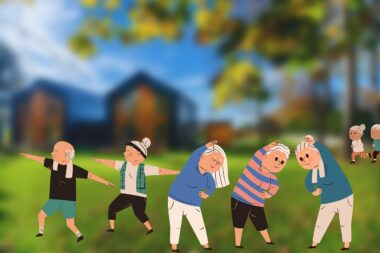
As seniors age, they often encounter various fitness myths that can impede their physical activity. One prevailing myth is that seniors shouldn’t exercise because it could lead to injury. In reality, regular physical activity can significantly enhance strength, balance, and endurance, which are critical in preventing falls. Many experts recommend tailored exercise programs focusing on strength training and flexibility, suitable for various fitness levels. Another misconception is that all seniors are frail and not capable of physical exertion. Active seniors have successfully demonstrated that age alone does not determine their ability. Strengthening bones and muscles helps maintain mobility and independence. Engaging in low-impact activities like swimming or yoga can be very beneficial. It’s also important to emphasize that beginners can start slow and gradually increase intensity. Proper form and safety should be prioritized. These activities can be enjoyable and social, making them more appealing. Family and community support can boost motivation, helping seniors maintain a steady exercise routine. Therefore, replacing myths about senior fitness with facts will foster more active lifestyles amongst seniors, positively impacting their quality of life.
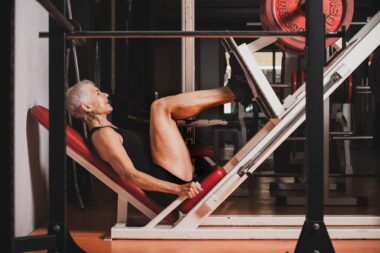
Another myth surrounding senior fitness is that weight training will cause injuries. Contrary to this misconception, correctly performed weight training can strengthen bones and prevent age-related muscle loss. It is crucial, however, for seniors to engage with experienced trainers who understand their unique needs. Focusing on proper technique is essential to mitigate risks. Emphasizing light weights and higher repetitions is a valuable strategy for beginners. Regularly scheduled weight training can yield significant benefits in functional mobility, making daily tasks easier. Furthermore, many seniors shy away from exercise due to the belief that they lack sufficient time. In fact, effective workouts do not have to be lengthy. Aiming for just 30 minutes of moderate aerobic activity several times per week can show improvements. Additionally, splitting up exercise sessions into shorter, manageable segments makes it easier to fit into busy schedules. Replacing sedentary time with short bursts of activity facilitates healthier habits. Social settings, like group classes, enhance motivation among peers and foster relationships. Understanding that consistency is key to achieving results can encourage seniors to prioritize their fitness, ultimately leading to a healthier, more vibrant life.
Misconception about Exercise and Aging
Another significant myth integrates the belief that older adults will lose their mobility as they age, perpetuating a cycle of inactivity. Correctly addressed, active seniors can maintain mobility, flexibility, and overall health, improving their quality of life. It’s vital for seniors to recognize the importance of maintaining their activity levels. Encouraging activities that get seniors moving improves mood and cognitive function. Many types of exercise are not only safe but also beneficial. Low-impact aerobics, walking, and tai chi help enhance coordination and strength. Engaging in regular, low-impact exercise reduces risks of chronic conditions like heart disease. Once seniors begin to understand the relationship between movement and mobility, they may become more proactive about their fitness programs. Additionally, enhancing physical well-being can also help divert attention from focusing solely on weight or appearance. Fostering a mindset centered around health, happiness, and enjoyment leads to sustainable habits. Moreover, feedback from fellow seniors participating in exercises reinforces that age does not have to limit physical ability. This comprehensive understanding guides seniors toward developing a viable and enjoyable physical fitness routine.
Additionally, there exists an assumption that seniors should strictly perform cardiovascular exercises like walking or cycling without doing strength training. While cardio benefits are indisputable, seniors must also incorporate resistance training into their routine. Balancing these two types of workouts enhances overall fitness and functionality. Engaging in strength training at least twice per week can significantly improve muscle mass and overall metabolism. In combination with other forms of exercise, resistance training minimizes the risk of injuries by strengthening the supporting muscles. Furthermore, many believe that exercise exclusively occurs in formal settings like gyms or fitness classes. In reality, staying active can happen anywhere. Gardening, walking the dog, or even dancing at home can provide excellent physical benefits. Incorporating exercise into daily routines will increase overall movement throughout the day. Adopting a more active lifestyle allows seniors to enjoy various activities while connecting with others. Making fitness an enjoyable aspect of life is essential, turning activities into opportunities rather than chores. Consequently, combating these myths will empower seniors to explore fitness and foster their health.
Benefits of Regular Exercise
Another prevalent belief is that older adults should only focus on low-intensity exercises. While low-intensity workouts are crucial, they should not dominate a senior’s overall fitness regimen. Incorporating various intensity levels throughout the week helps promote cardiovascular health and maintain physical function. Seniors can benefit immensely from moderate workouts that elevate their heart rates. Something as simple as brisk walking can increase stamina and endurance. Consequently, embracing these different levels of intensity fosters variations in fitness routines while staving off boredom. Also, seniors are often misled to think that their body needs more rest compared to younger adults, which is not entirely true. Rest is essential, but being active can reduce fatigue and increase energy over time. Seniors should look for gentle ways to raise their activity levels without overexerting themselves. Gentle stretching activities allow recovery while ensuring readiness for more intense workouts. Lastly, seniors might also believe that staying away from specific food or dietary practices will support healthy body weight without accompanying exercise. However, balanced nutrition combined with regular movement is the key to optimal health.
Lastly, there is a myth that seniors are too old to start exercising or cultivating new fitness habits. It’s vital to relay that it’s never too late to adopt a physically active lifestyle, and starting new activities can lead to life-changing benefits at any age. Engaging in new forms of exercise encourages mental wellness and opens doors to new social interactions. Many seniors have found newfound confidence by participating in group classes, discovering hobbies like swimming, dancing, or yoga. Additionally, using technology to track and monitor progress can motivate seniors to remain active. Motivational apps or wearables can provide quick feedback and foster a sense of achievement. Furthermore, learning about new types of fitness can change preconceived notions about what aging means. Many inspiring senior athletes serve as role models. Some have shared their stories openly about achieving incredible feats late in life. These narratives underscore that pursuing fitness goals is feasible. Ultimately, dismantling these myths will inspire seniors to lead fitter and healthier lives while celebrating the longevity of their active journey.
Final Thoughts
Revisiting our approach toward senior fitness can revolutionize how older adults participate in physical activities. Recognizing that physical fitness is beneficial at every age is essential for dispelling long-standing myths. Seniors should be empowered to discover exercise programs that accommodate their personal preferences. Prioritizing fun alongside fitness yields encouragement through social bonding, leadership, and personal achievement. Misconceptions should be replaced with education, enabling seniors to reclaim their health. It’s necessary for communities to provide readily available resources that promote healthy activities, ensuring a supportive environment. Offering events or workshops targeting seniors lets them connect, socialize, and remain active. This encourages individuals to engage in discussions dispelling myths while bringing awareness to health benefits. Moreover, creating more age-inclusive spaces helps in cultivating relationships in fitness contexts. Shared experiences lead to new friendships, thereby promoting an active lifestyle amongst older adults. By fostering a supportive network, seniors can feel a sense of belonging, allowing them to pursue fitness goals collectively. In conclusion, separating fiction from reality encourages a healthier aging process, improving their quality of life.
Promoting a positive narrative surrounding senior fitness encourages older adults to embrace the concept of lifelong health. Additionally, equipping them with necessary knowledge makes fitness choices attainable. Knowledgeable professionals play a crucial role in encouraging seniors to engage in health and fitness activities. This support can help reveal new possibilities, leading to a more fulfilling lifestyle. Ultimately, longevity in movement leads to overall happiness and independence in day-to-day activities.