
Choosing the Right Bike for Triathlon Cycling
When selecting a bike for triathlon cycling, numerous factors need to be considered to ensure the best performance. The bike type is an essential consideration, as triathlons often demand speed and efficiency on various terrains. Firstly, you have to decide between a road bike and a triathlon-specific bike. Road bikes are typically more versatile, suitable for multiple riding scenarios. However, triathlon bikes, designed for aerodynamics, offer a more aggressive position which can lead to greater overall speed. Also, think about components like the drivetrain, brakes, and wheels. You should prioritize lightweight frames and quality gearing for optimal performance. Remember that the fit of the bike is crucial; getting the right size and geometry will help improve aerodynamics as well. Additionally, the material of the bike frame—such as aluminum or carbon fiber—can significantly affect performance and comfort. Ultimately, narrowing your choice down to a bike that perfectly fits your needs will enhance your experience and give you a competitive edge. To ensure that your investment is worth it, test rides are highly advisable to find the right bike for you.
Choosing the perfect bike isn’t solely about brand or style; understanding your riding style is equally important. Each cyclist has unique preferences, which should guide the selection process. For instance, if you enjoy long distances, prioritize comfort and endurance attributes in a bike. Furthermore, if speed is your goal, aerodynamic designs will serve you best. When assessing options, consider factors like wheel size, as larger wheels can improve rolling efficiency, but may be more difficult to maneuver. Additionally, pay attention to gear ratios since this directly affects how you handle inclines and variable terrains during a triathlon. Finding a balance between gear options and pedal efficiency will be crucial when racing. Don’t forget to assess the materials of the bike frame as they influence weight and rigidity. It’s also beneficial to consult experienced triathletes or local cycling clubs for insights on bike recommendations. Various biking accessories can further enhance your performance, such as clipless pedals or aerodynamic helmets. Reaching out to others in the triathlon community can provide invaluable advice based on individual experience and preferences to aid your bike selection.
Understanding Bicycle Fit
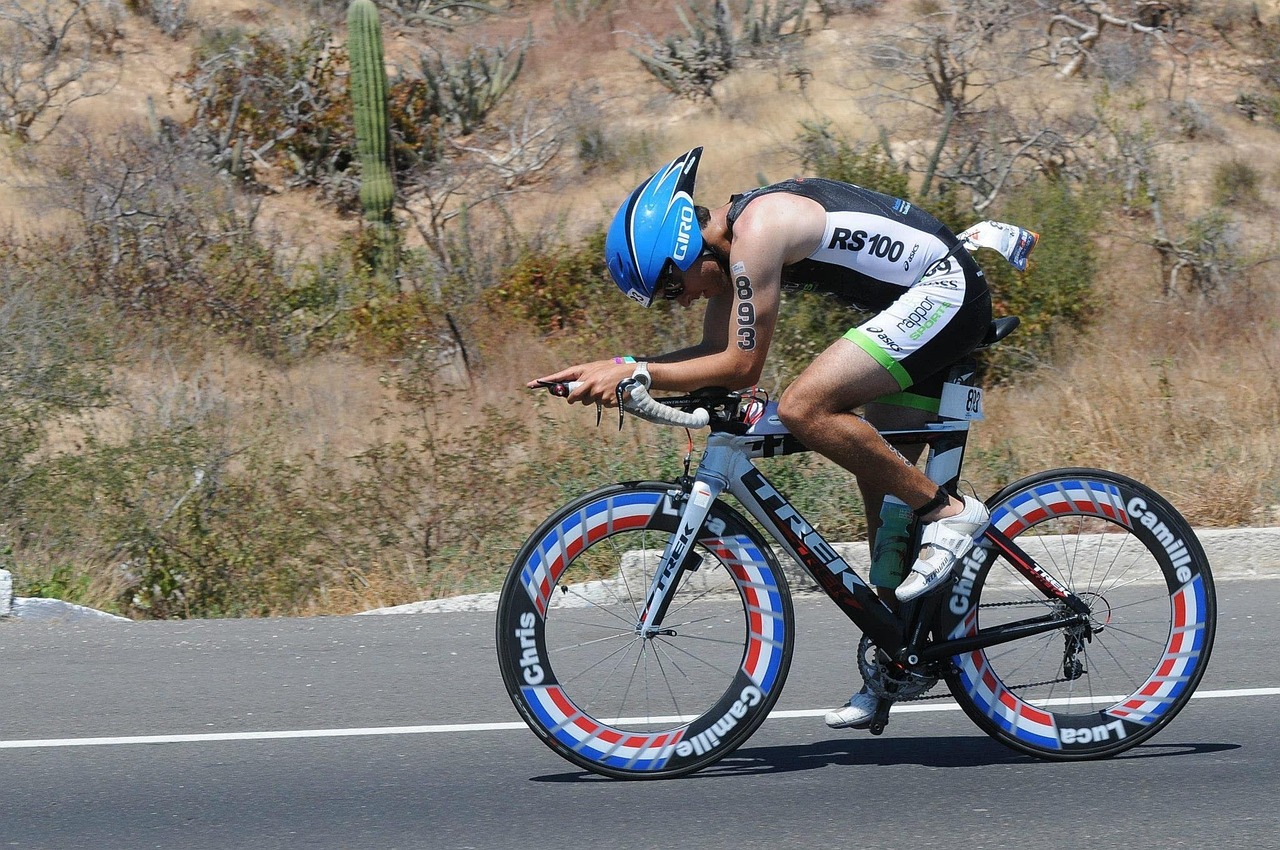
Understanding bicycle fit is critical when choosing a triathlon bike. A proper fit ensures comfort and efficiency while riding, which are essential for competitive performance. Measuring your inseam, torso length, and arm length helps in choosing the appropriate frame size. Many shops offer fitting services that can analyze your riding position and recommend adjustments to reach optimal comfort. Pay attention to saddle height; it must be adjusted to maximize pedaling efficiency and reduce injury risks. The cockpit setup, including handlebar height and reach, also needs consideration for an aerodynamic posture. When in an aero position, ensuring that your elbows are comfortably positioned while maintaining a streamlined shape is vital. The tip of the saddle should align with your knees for better power transfer while avoiding undue strain. Being proactive in your bike fit will enhance performance and help put less pressure on your back and shoulders. It’s advisable to spend time on this aspect before a race. Remember, every small adjustment contributes significantly to your overall performance in a demanding triathlon environment.
When considering additional gear, think about features that enhance your performance during a triathlon. A good cycling helmet is paramount, designed specifically for aerodynamics to minimize air resistance. Utilizing a quality hydration system integrated into the bike can help maintain body stamina throughout the race. Additionally, consider wearing cycling shoes that enhance your efficiency by allowing better power application through the pedals. Clipless pedals, commonly used in triathlons, provide an advantage by allowing a more secure connection between the rider and bike. Furthermore, look out for specialized triathlon gear bags to streamline transitions between cycling and running phases effectively. These bags can house all essential items for easy access during the race. Tri-suits are also worth exploring; designed for quick changes during transitions, they are both functional and comfortable. Investing in high-performance products can lead to improved race outcomes. Lastly, familiarize yourself with triathlon-specific accessories like speed suits and leg sleeves, which can offer considerable cooling and compression benefits. Remember that every piece of gear helps create an advantage in a competitive cycling landscape.
Budgeting for Your Triathlon Bike
When budget is a determining factor in selecting a triathlon bike, it’s crucial to evaluate your financial options carefully. Bikes often range dramatically in price, and setting a realistic budget ensures you get the most value without overspending. Evaluate your needs: how often will you participate in triathlons? If you plan on competing routinely, it might warrant a higher investment. Quality bikes with better components can enhance performance but at a cost. Research potential bikes within your budget, ensuring they’re reliable and suitable for your cycling goals. Factory-certified used bikes can also offer good value for money while still delivering performance. Always factor in additional costs, such as maintenance, as well as necessary gear and tools. Don’t overlook potential upgrades in the future that can help boost your cycling experience. Be mindful of warranties that accompany different bike purchases as they safeguard your investment. Additionally, trial periods offered by some retailers can provide insights about the bike before committing fully. Watching out for local sales events may help you snag a great deal on your dream bike without breaking the bank.
The aspect of bike maintenance cannot be overstated in the realm of triathlon cycling. Regular cleaning and care extend the life of your bike while ensuring optimal performance. Familiarize yourself with essential bike maintenance tasks such as chain lubrication, brake adjustment, and tire pressure checks. These simple tasks can help maintain both performance and safety while cycling. Knowing how to handle minor repairs, such as flat tires or shifting issues, can be invaluable in a race. Moreover, consider organizing a schedule for professional bike tune-ups to ensure everything is in perfect working order before race day. Additionally, explore ways to store your bicycle, protecting it from the elements and reducing wear and tear caused by improper storage. Accessorizing your bike with protective gear, such as frame protectors or fenders, can also increase its longevity. Lastly, invest in quality bike cleaning products to keep everything looking pristine, which aids in quick inspections. With careful consideration of bike maintenance, you’ll enjoy a smoother ride and enhanced cycling experience, ultimately helping you perform better during competitions.
Preparing for Race Day
Preparing for race day involves more than just choosing the right bike; it’s crucial to engage in thorough pre-race preparations. Ensure you’ve thoroughly tested your gear under similar conditions to those expected during the event. This includes precisely adjusting your bike fit, practicing transitions between cycling and running, and ensuring you have everything ready. Check your bike and gear list to make sure nothing is overlooked, such as spare tubes, tools, and hydration systems. Understanding the race route can significantly aid your preparations by allowing you to plan your pacing accordingly. Familiarize yourself with elevation changes, turns, and transition zones beforehand. Having a strategy based on your strengths will assist your performance during the race. Pay attention to nutrition leading up to the race, as fueling your body appropriately can impact endurance. Practicing your warm-up routine also prepares both mind and body for the challenge ahead. Lastly, ensure you arrive early on race day to account for any unforeseen issues, allowing you to feel relaxed and focused. Proper preparation paves the way for a successful triathlon cycling experience.
In conclusion, choosing the right bike for triathlon cycling requires careful consideration of various factors. From understanding the bike types to ensuring a proper fit, every selection carries significance for your performance. Assess your riding style and preferences to find a bike that aligns with your goals. Budgeting is equally important, allowing you to balance quality and financial viability. Ongoing maintenance also plays a pivotal role; keeping your bike in excellent condition can impact racing outcomes. Consider accessories that can enhance your overall experience during training and competition. Preparing adequately for race day involves ensuring all equipment is in top condition and strategizing based on race parameters. Always prioritize comfort, performance, and reliability in your decisions. Engaging with the triathlon community can yield beneficial insights and recommendations from others with similar experiences. Ultimately, the choices you make regarding your bike and gear significantly influence triathlon cycling success. With thorough preparations and thoughtful decisions, your ride can be a great advantage, laying the foundation for remarkable achievements in your triathlon endeavors. Remember, every cyclist’s journey is unique, and customizing your approach will foster growth and greater performance.