
Best Martial Arts Weapons for Self-Defense Training
When engaging in self-defense training, it is crucial to choose the right martial arts weapons. Selecting appropriate tools can significantly enhance your skills and confidence in various defensive situations. Various options exist, each serving unique purposes and catering to different martial arts styles. Popular weapons include traditional choices like nunchaku, bo staffs, and escrima sticks, along with modern alternatives like tactical pens and pepper sprays. Each weapon has a different application, versatility, and legality based on location. However, understanding the right weapons is only the beginning of effective self-defense training.
Aside from choosing the right weapons, learning to utilize them effectively through quality drills is vital for success in self-defense scenarios. Practice is fundamental; regular training sessions improve your proficiency and help develop muscle memory. Engaging with an experienced instructor can also enhance your understanding and technique with any weapon you choose. Self-defense training is not just about the weapon; it involves critical thinking and awareness of your surroundings. It’s essential to train under realistic conditions, understanding how to react swiftly with control in high-pressure situations.
Understanding Different Weapons
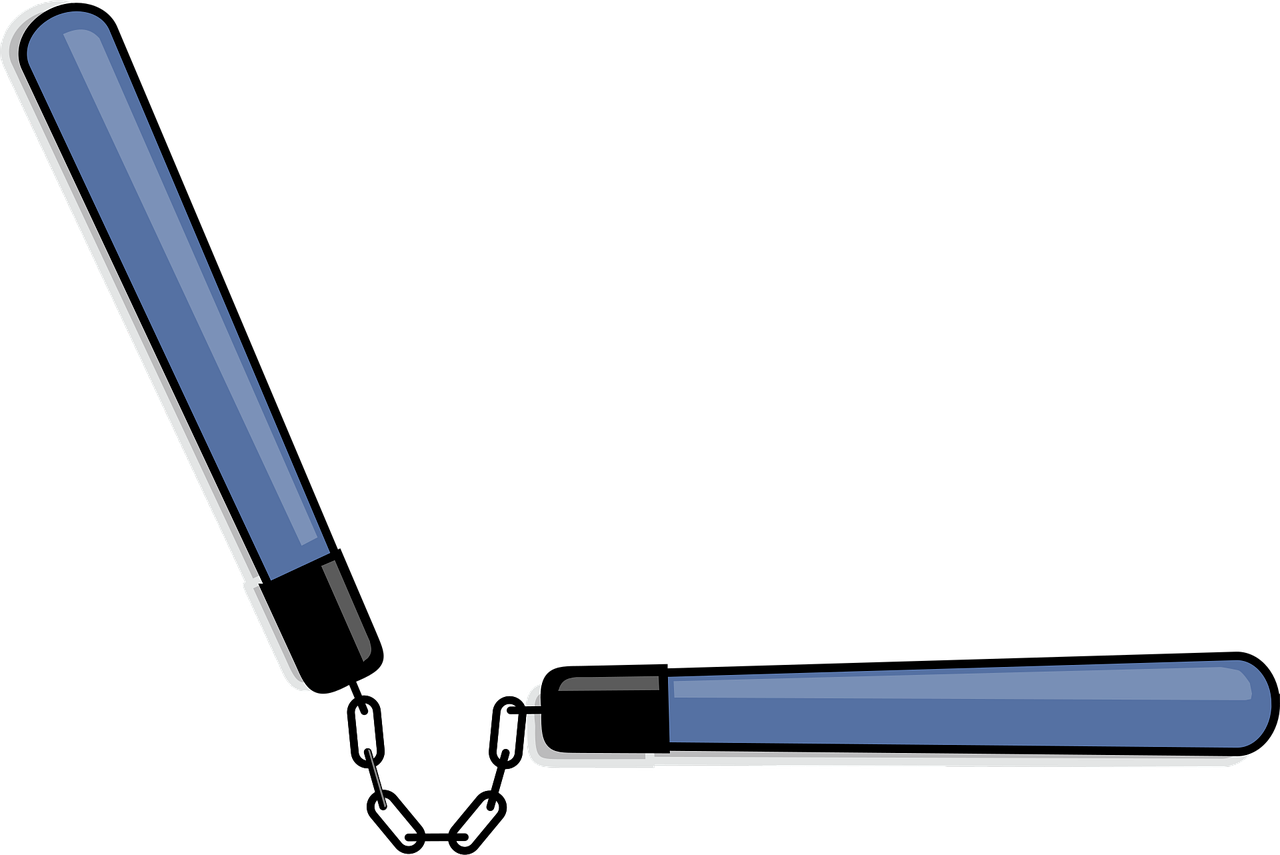
Each martial arts weapon comes with its distinctive characteristics and advantages. For instance, the bo staff provides an extended reach and can be used effectively for striking or blocking. Nunchaku are known for their versatility and speed, allowing for quick defensive maneuvers. On the other hand, some prefer using short-range weapons like knives due to their accessibility and practicality in urban environments. Determine which weapons align best with your training goals and personal comfort level, ensuring safety while maximizing effectiveness during practice.
Incorporating various weapons into your self-defense training repertoire helps enhance overall awareness and adaptability. Engaging in drills with partners provides exposure to different responses and unpredictability, simulating the complexities of real-life confrontations. Practicing under stress increases resilience and helps react instinctively when needed. Switching between weapons also keeps training sessions exciting and engaging, fostering a strong ability to adapt to various confrontations. Mixing technique training with practical application drills can enhance your confidence and readiness for any challenge you may face.
Legal Considerations
Researching local laws surrounding martial arts weapons is crucial, especially regarding self-defense scenarios. Some items, like nunchaku or certain knives, may be illegal in various regions. It is your responsibility to understand and adhere to these regulations to avoid unnecessary legal complications. Proper training should also include discussions about the ethical use of any weapons and the moral considerations involved in self-defense. The legitimacy of a weapon in a self-defense case often depends on local legislation and the context of the situation.
Continuous education on evolving laws and societal norms surrounding self-defense can help you make informed choices about the training and techniques you pursue. Attending seminars, joining self-defense communities, or engaging in discussions helps regardless of your martial arts background. Understanding the philosophy and ethics behind self-defense is as critical as mastering techniques. Protecting oneself should always be a last resort; emphasizing avoidance and de-escalation can save you from many conflicts, providing a holistic approach to self-defense beyond just the physical aspect.
Conclusion and Best Practices
Ultimately, the best martial arts weapons for self-defense training depend on personal preference, local laws, and training goals. Mixing both traditional and modern weapons allows for a balanced approach to self-defense. Maintaining a strong foundation in martial arts basics such as strikes, blocks, and footwork enhances weapon training effectiveness. Always warm up before sessions, ensuring you remain injury-free while developing skills. Prioritize safety, respect among training partners, and proper supervision during practice to maximize the experience.
Lastly, remember that self-defense goes beyond physical weapons. Situational awareness, communication skills, and mental training play a significant role in effective self-defense. Incorporating elements like verbal de-escalation techniques alongside your weapon training can provide a comprehensive approach. Stay informed about new trends and advancements in self-defense, and consider participating in workshops or classes. Keeping the mind sharp and adaptable will prepare you for various situations, allowing you to combine learned techniques for optimal defense strategies.