
How to Incorporate More Whole Foods in Your Vegan Grocery List
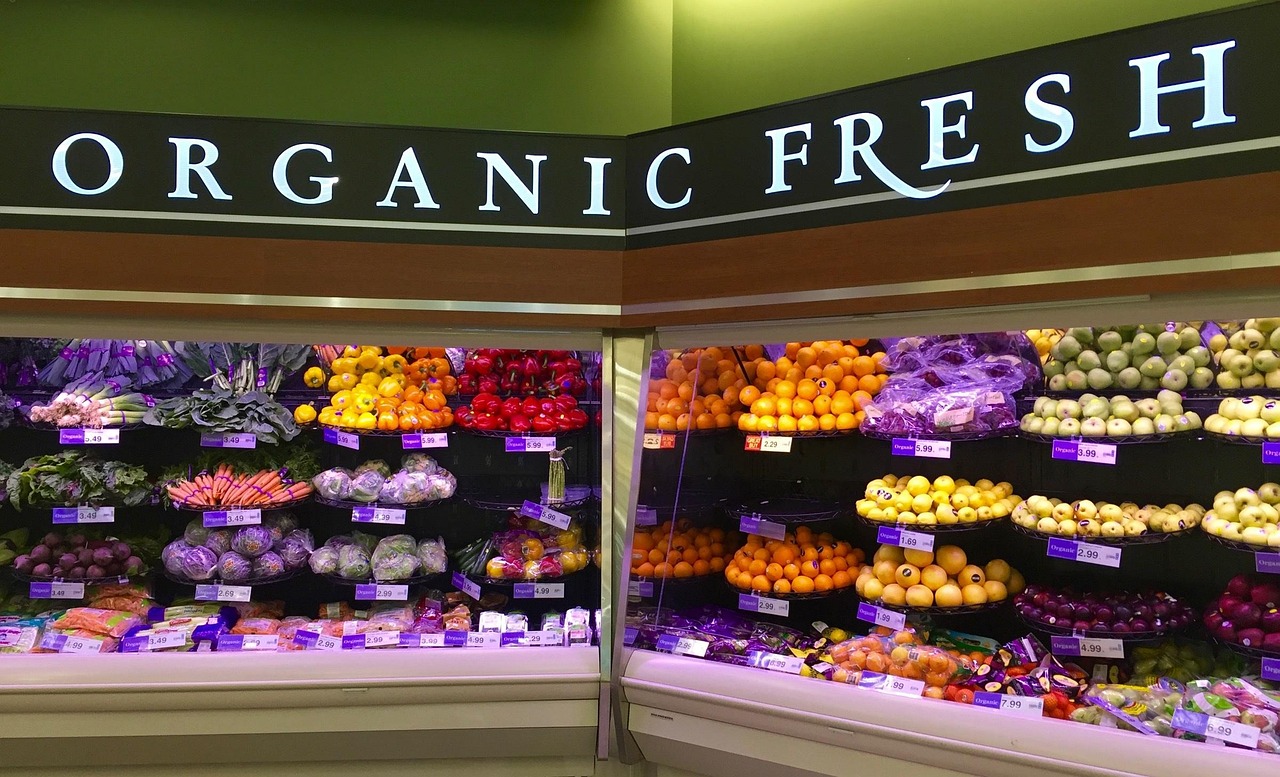
Incorporating whole foods into your vegan grocery list is essential for a balanced diet. Whole foods are minimally processed and rich in nutrients. Begin by focusing on fruits and vegetables; they should dominate your shopping cart. Fresh produce is not only vibrant in color but also packed with vitamins, minerals, and antioxidants essential for maintaining good health. Include a variety of colors and types—think greens like kale, reds like tomatoes, and oranges like carrots. Additionally, consider seasonal and local produce as they are often fresher and more affordable. Don’t forget to check out the frozen aisle, which offers convenient options without sacrificing nutrition. Frozen fruits can be added to smoothies, while frozen vegetables can quickly supplement your meals.
Moving on, whole grains are another critical component of a whole-food vegan diet. Make sure to select whole grains like quinoa, brown rice, or oats instead of refined counterparts. These grains provide fiber and essential nutrients. They digest slower, keeping you full longer and helping to regulate blood sugar levels. When shopping, look for products that list whole grains as the first ingredient. Additionally, opt for whole-grain bread, pasta, and cereals. If you’re new to these grains, consider starting with a small portion and gradually incorporating more into your meals. Also, don’t overlook legumes such as lentils, chickpeas, and beans; they are packed with protein and great for heart health.
Include Protein Sources in Your Vegan Diet
Protein is vital for muscle repair and growth, and as a vegan, you have various options. Begin with legumes once again; they are not only protein-rich but also offer fiber. For a faster protein source, consider using tempeh or tofu in your recipes. These soy products can readily absorb flavors from marinades or spices, making them highly versatile. Incorporate nuts and seeds as a healthy source of extra protein and fat. Almonds, chia seeds, and flaxseeds can enhance your meals nutritionally and simply. Furthermore, nutritional yeast can provide a cheesy flavor to dishes while packing vitamin B12, vital for vegans.
Don’t forget to explore plant-based dairy alternatives, such as almond milk or soy yogurt. These items can easily replace traditional dairy products while providing similar nutritional benefits. When shopping, read labels to choose those fortified with calcium and vitamins. It’s also worthwhile to explore the health food section in your grocery store, where you can find various plant-based products like vegan cheese or even plant-based protein powders. Limit processed vegan foods as much as possible; while they can be convenient, they often contain additives that don’t constitute whole foods. Keep your focus on foods that are close to their natural state for the best nutritional benefits and flavor.
Plan Your Meals Before Shopping
Before heading to the grocery store, it’s wise to plan your meals for the week. This way, you know exactly what to buy and can avoid impulse purchases of unhealthy or processed foods. Prepare a shopping list, organizing it by categories such as fruits, grains, legumes, and vegetables. This can streamline your shopping trip and ensure you don’t forget any essential items. Meal planning helps you create nutritious recipes that will keep you satisfied while also preventing food waste. Use leftovers creatively, and mix them into new meals throughout the week. Remember, having a well-thought-out list is an excellent way to stay focused on whole food options.
Lastly, recognize the importance of reading ingredient labels and avoiding any products that contain additives or excessive sugar. Familiarize yourself with the various names of sugars and additives to better evaluate products. Look for items that have minimal ingredients, ideally only whole foods. While shopping, it can be tempting to buy snacks or convenience foods, so consciously remind yourself of your focus on whole foods. Keeping your home stocked with wholesome, nutritious foods will make it easier to maintain a healthy vegan diet long-term; thus, prioritize your shopping effectively. Fuel your body right by choosing whole foods to ensure optimal health and well-being.
Experiment with New Recipes
Finally, one way to keep your grocery list fresh and exciting is to experiment with new recipes regularly. Look for cookbooks or blogs dedicated to vegan cooking, which can inspire you while introducing new whole foods into your meals. By trying intriguing new recipes, you discover different ways to prepare and enjoy wholesome ingredients. For instance, you could try a new grain like farro or experiment with various legumes you haven’t used. This keeps your meals interesting and ensures a good intake of diverse nutrients. Furthermore, shopping more creatively can lead you to different health foods and spices that can enhance your cooking experience. Incorporating unique flavors can transform simple meals dramatically.
By keeping these strategies in mind, your vegan grocery shopping trips can become more focused on whole foods and nutritious options. Develop a mindset that embraces cooking with a variety of ingredients to increase your culinary repertoire. Encourage yourself to see grocery shopping as not just a chore but a gateway to healthier living. Choose foods that nourish your body and excite your palate. With a bit of planning and creativity, incorporating whole foods into your vegan diet becomes easier and incredibly rewarding. Remember, every small change counts towards better health and well-being. So, embark on this journey empowered with knowledge and enthusiasm to create meals that promote health and vitality.