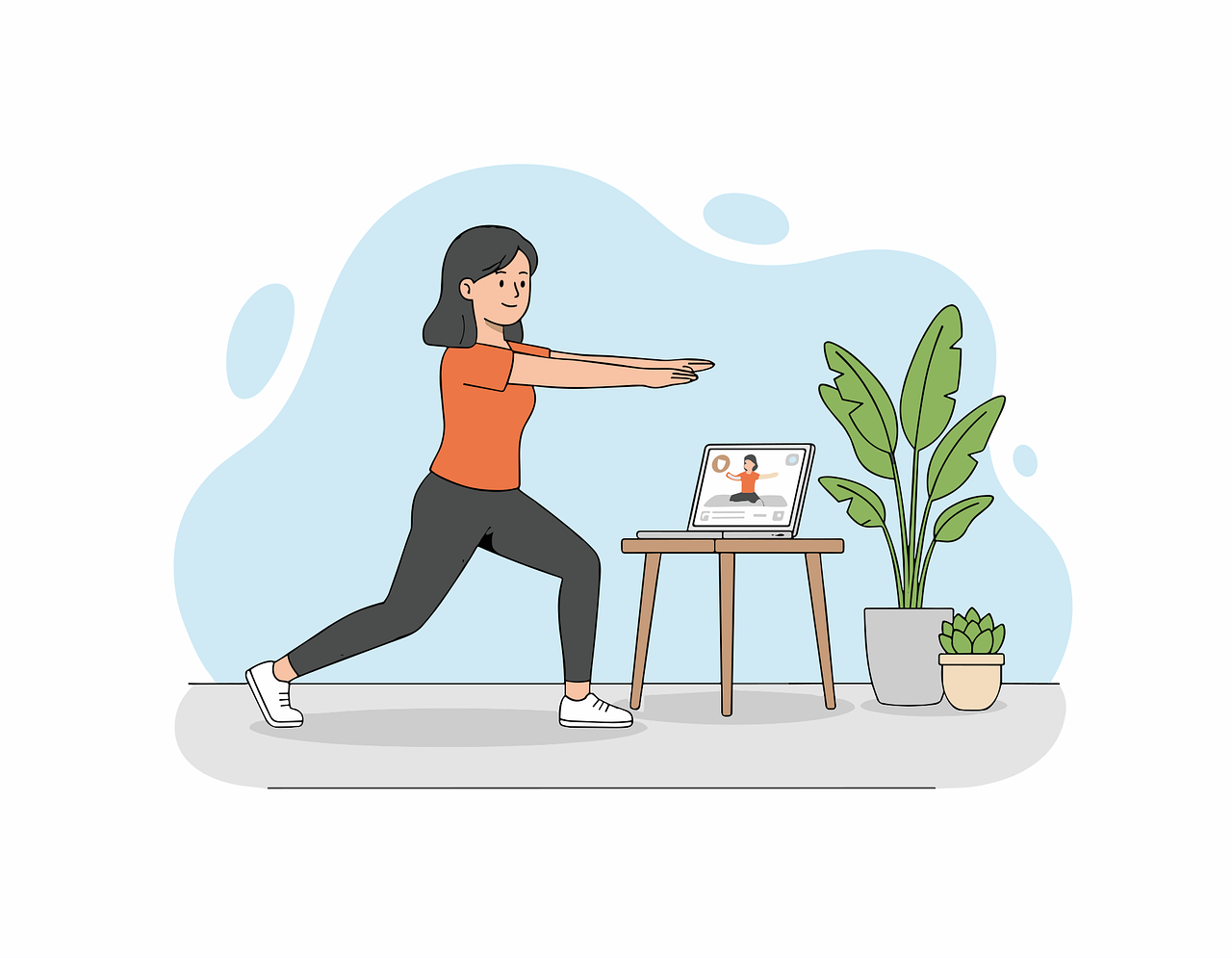

Home Workout Tips to Prevent Injury for Male Fitness Enthusiasts
Many male fitness enthusiasts engage in home workouts to stay in shape while preventing injuries. However, it is crucial to adopt proper techniques and practices during home training routines. Begin with thorough warm-ups, which prepare your body for exercise by increasing blood flow to muscles and enhancing flexibility. Simple stretches and mobility exercises can activate key muscle groups and joints while reducing the risk of strains. Additionally, ensure that your workout space is safe and clutter-free, providing adequate room to move without obstacles. This will help prevent tripping hazards and allow you to focus on your exercises. Furthermore, consider using a fitness mat for better grip and cushioning, especially during floor exercises. By stabilizing yourself on a mat, you can ensure proper form, reducing the potential for injuries while performing exercises such as push-ups or planks. Lastly, keeping hydrated is essential during your workouts. Drink plenty of water before, during, and after exercising to maintain hydration levels, which support muscle function and recovery. Ultimately, combining these strategies will optimize your home workout experience while prioritizing your safety and well-being.
Focus on Proper Form
Maintaining correct form during exercises is vital for preventing injuries. Focus on mastering each movement before increasing weight or intensity. Poor form can lead to strains or chronic injuries, especially during complex lifts such as squats or deadlifts. Use mirrors to check your posture, or record yourself to analyze your techniques. If possible, seek advice from an experienced friend or a personal trainer. Strength training exercises, like bench presses or kettlebell swings, require controlled movements to ensure safety. Start with lighter weights and gradually increase as your strength improves. Consider using bands or bodyweight exercises, which are safer alternatives for beginners. Additionally, incorporate core-strengthening exercises like planks and bridges. A strong core stabilizes your body, reducing the risk of injuries during other workouts. Remember to allow yourself adequate rest between workouts, especially after intense training. Your muscles need time to recover and adapt, which not only helps build strength but also prevents overuse injuries. Lastly, listen to your body closely. If you experience unusual pain during a workout, stop immediately, assess your form, or modify the exercise to maintain your safety.
Variety is essential in any fitness routine. Repeatedly performing the same exercises increases the risk of injuries due to overuse. Therefore, diversify your workouts by incorporating different movements and equipment. Mix strength training with cardio, flexibility, and mobility work for a balanced program. For instance, alternating push-ups with squat jumps or lunges can keep your routine fresh while working various muscle groups. Explore bodyweight exercises, resistance bands, and free weights to discover what best suits your abilities and goals. Switch up your workout regimen to include upper and lower body exercises, ensuring full-body strengthening. This approach provides additional physiological benefits and prevents muscle imbalances that can lead to injuries. Ensure you have an adequate recovery plan by scheduling rest days into your workout regimen. On these days, consider engaging in active recovery activities. These could include light yoga sessions or leisurely walks, which maintain activity levels while promoting blood circulation to sore muscles. When targeting improvements, focus on gradual progressions in intensity and volume rather than rushing in. Patience will protect you from the setbacks associated with injuries, helping you achieve long-term success.
Recovery Techniques
Recovery is just as important for injury prevention as the workouts themselves. After intense exercise sessions, implement cooldown routines that include light stretching. Stretching helps the muscles return to their resting length, promoting flexibility and reducing muscular soreness. Additionally, foam rolling is an effective self-myofascial release technique. Foam rollers can alleviate tightness in muscles and fascia, improving overall mobility. Alternatively, a massage gun can provide targeted relief for sore areas. Follow up intense workouts with restorative practices such as yoga or gentle walking, which assist in muscle recovery and reduce stress. Incorporating rest days is equally crucial, allowing your body the necessary time to repair. Listen to your body regarding fatigue levels, and never hesitate to take additional rest if needed. Proper nutrition also supports recovery; ensure your diet includes sufficient amounts of protein, carbohydrates, and healthy fats to fuel your body’s repair. Stay hydrated by drinking enough water and electrolyte-rich beverages following workouts. Combine these strategies for optimal recovery results, and you’ll help ensure that your home workout regimens remain enjoyable and, more importantly, injury-free.
Setting realistic goals is another essential component of preventing injury. Establish short-term and long-term fitness objectives that are achievable based on your current fitness levels and lifestyle. This can involve gradual performance improvements, such as increasing your endurance or increasing weights in a controlled manner. Break your larger goals into smaller milestones, providing motivation by celebrating your wins along the way. Consider using fitness apps or journals to track your progress, which not only helps maintain accountability but also allows you to visualize improvements. Being aware of your body’s limits is a crucial factor in avoiding injuries. As you achieve your goals, reassess them regularly to align them with your evolving capabilities. Recognizing when you’re pushing yourself too hard is vital for injury prevention. If you notice persistent fatigue or discomfort, prioritize rest or consider revisiting your workout program. Additionally, don’t be afraid to adjust exercises that cause discomfort or pain. Opt for safer modifications that still provide effective workouts without compromising safety. By rehearsing these insights, you can develop a strong relationship with your fitness journey while focusing on health and performance.
The Importance of Cross-Training
Cross-training plays a significant role in preventing injuries during home workouts. By integrating various exercises into your routine, you not only keep workouts fresh and exciting but also engage different muscle groups. This method allows you to strengthen underused muscles that could contribute to injuries if neglected. For instance, cyclists may benefit from incorporating strength training sessions for their upper body, improving overall muscular balance. Also, utilizing swimming or running can enhance cardiovascular fitness. Engaging in diverse physical activities promotes overall body conditioning while reducing the risk of developing overuse injuries. Cross-training can prevent burnout by saving you from fatigue linked to monotonous routines. Attend online workouts that guide you through various modalities, offering unique styles like Pilates, HIIT, or resistance training. Explore new sports or outdoor activities that can be enjoyed with friends for added motivation. Also, balance high-intensity workouts with recovery-focused ones. Maintaining variety in your workout regimen sustains engagement and fosters enthusiasm for fitness. Consequently, adopting cross-training strategies not only helps you remain injury-free but significantly boosts long-term fitness achievements while embracing enjoyment in your workout journey.
Consulting professionals can greatly enhance your home workout safety. If you are unsure about certain exercises or proper form, consider virtual sessions with experienced trainers who can provide valuable guidance. Online personal training has become increasingly popular and allows tailored fitness plans, addressing your specific goals while emphasizing injury prevention techniques. Professional trainers can help you establish a strong foundation in movement patterns while ensuring you understand essential concepts. They can provide proactive advice, such as assessing individual strengths and weaknesses that impact performance. Furthermore, physical therapists can assist with injury rehabilitation and preventative care. They can develop targeted exercise programs that focus on improving flexibility, strength, and functional movement patterns tailored to individual needs. Prioritize a comprehensive approach to injury prevention by making use of specialized knowledge and expertise, ensuring you remain on track with your fitness goals. Stay informed about new developments in fitness strategies by following reputable sources, blogs, and studies that effect safety in workouts. Meticulously applying professional advice will not only help elevate your home workouts but also safeguard you against potential injuries.
Conclusion: Prioritize Safety for Success
Incorporating the right strategies into your home workout routine can significantly enhance your fitness journey while minimizing injury risk. Prioritize warming up and cooling down before and after workouts to prepare and recover your body effectively. Focus on maintaining proper form throughout exercises for enhanced safety. Implement a variety of workouts to target different muscles and reduce the likelihood of overuse injuries. Remember to integrate rest and recovery techniques for optimal results that support your fitness goals. Set realistic objectives while being mindful of your body’s limits, and consider cross-training to keep your routines fresh and engaging. Seek expert advice whenever needed to enhance your understanding of safe practices. Ultimately, prioritizing your safety ensures that you can enjoy long-term success in your fitness endeavors while improving your physical health. With dedication and mindful execution, you will not only achieve your fitness objectives but also enjoy the process. This comprehensive approach to home workouts allows male fitness enthusiasts to implement effective training strategies while ensuring safety. Implement these tips into your routine, and you will find a sustainable way to maintain your health and fitness.