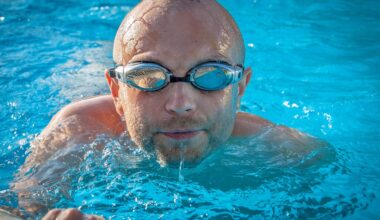

Heart Health: Swimming vs. Other Cardiovascular Exercises
Swimming serves as a remarkable cardiovascular exercise that uniquely benefits heart health. Unlike high-impact workouts, swimming tends to be easier on the joints while still delivering an effective aerobic workout. This aquatic activity engages multiple muscle groups simultaneously, promoting endurance and strength without excessive pressure on the body. Many people find swimming enjoyable because it allows for natural buoyancy in the water. Moreover, studies indicate that regular swimming can significantly reduce the risk of heart disease. If you’re new to swimming, consider enrolling in a local class or working with a coach to master your technique. Proper form not only enhances your efficiency but also maximizes your heart health benefits. You may also want to combine swimming with other forms of cardiovascular exercise for balanced fitness. Activities such as running, cycling, or even brisk walking can complement your swimming routine. Each modality contributes uniquely to cardiovascular improvement, allowing for a well-rounded approach. Engaging in diverse exercises can also help maintain motivation, making it easier to stick to your fitness regimen long-term. To ensure optimal heart health, maintain a consistent, varied exercise schedule that regularly incorporates swimming.
The Benefits of Swimming
Swimming extensively promotes cardiovascular fitness through its unique characteristics and benefits. Firstly, swimming increases heart rate while simultaneously working out the whole body, effectively strengthening the heart muscle. This is especially beneficial for individuals looking to improve their endurance gradually. Additionally, the resistance of water increases the intensity of each stroke, providing a greater workout than some land-based exercises. Additionally, swimming can improve lung function, aiding in better oxygen delivery throughout the body. The process in which your body works harder under water pressure strengthens the cardiovascular system. Compared to other cardiovascular workouts, swimming holds a lower risk of injury. The buoyancy of water absorbs shock while exercising, making it suitable for people with previous injuries or those seeking a less taxing option. Moreover, swimming can help regulate blood pressure. Research shows that consistent swimming can lower systolic and diastolic blood pressure levels significantly over time. Coupled with its calming effects, swimming can also help alleviate stress; both are essential aspects of maintaining overall heart health. Choose swimming for its numerous benefits while diversifying your routine for maximum cardiovascular health gains.
In comparison to swimming, running is another popular cardiovascular exercise that provides numerous health benefits. While running effectively enhances heart function, it can be taxing on the joints, particularly in overweight individuals or those with prior injuries. In contrast, swimming protects your joints from impact and strain while still providing an intense workout. Both activities promote improved cardiovascular health; however, they have different implications for injury risk. In addition to being low-impact, swimming allows individuals to build endurance over a more extended period since it typically feels less strenuous on the body. Moreover, running requires proper footwear and a suitable surface to avoid injury, while swimming requires a safe water environment. In fostering a community spirit, running often involves group races and events, making it more social. However, swimmers often benefit from the tranquility that comes from exercising in water. Striking a balance between these activities can lead to a well-rounded fitness routine, as both swimming and running have immense cardiovascular benefits, along with their unique sets of advantages that cater to various preferences and abilities, allowing everyone to tailor their exercise choices effectively.
Cycling’s Role in Cardiovascular Health
Cycling emerges as another highly effective cardiovascular exercise that complements both swimming and running. Like swimming, cycling offers a low-impact alternative that supports heart health without straining joints or muscles. It emphasizes the use of leg muscles more than swimming; this makes cycling unique in its ability to build lower body strength while still improving cardiovascular endurance. Various cycling styles exist, such as stationary biking, road cycling, or mountain biking, making it flexible according to your preference. Studies have consistently demonstrated that regular cycling can aid in heart health, leading to reduced risks of heart disease and marathon benefits. The key to maximizing these benefits lies in maintaining an elevated heart rate consistently over time while cycling. Joining community rides or cycling clubs can foster motivation and commitment to your cycling journey. Many riders also appreciate the social aspect of cycling; this opportunity can lead to lasting friendships and support, which keeps you engaged in maintaining your fitness focus. To capitalize on heart health, ideally combine swimming, cycling, and running into your fitness routine, as they collectively target different muscle groups while promoting cardiovascular fitness effectively.
Walking is often overlooked; however, it also serves as an excellent cardiovascular exercise that can enhance heart health. It’s easily accessible to most people and requires no special equipment or memberships. Walking provides a gentle yet effective way to improve cardiovascular fitness, particularly for beginners or those recovering from injuries. Unlike swimming, walking allows for a more natural expression of exercise, enabling individuals to engage with their surroundings while reaping health benefits. Both indoor and outdoor walking are viable options; the latter often increases enjoyment and promotes mental wellness through exposure to nature. Regular brisk walking sessions can help lower blood pressure and cholesterol levels, making this simple exercise key to overall heart health. Moreover, walking can be combined with other modalities, making it a great addition to a diversified fitness routine. Social walking is also a growing trend, allowing individuals to walk with friends or join walking groups, enhancing motivation and support. So, while swimming, running, and cycling present various health benefits, walking should not be underestimated; it plays a crucial role in promoting cardiovascular fitness and maintaining optimal heart health.
Summary: Choosing the Right Exercise
In summary, selecting the right cardiovascular exercise depends on personal preferences, fitness goals, and overall health considerations. Swimming, running, cycling, and walking each provide unique benefits while targeting cardiovascular health. If you enjoy a low-impact and tranquil exercise, swimming may be ideal; if you prefer outdoor adventure, running or cycling could be more suited. Walking offers accessibility and practicality for everyone, regardless of fitness level. The best approach to enhancing heart health typically involves combining various exercises into a consistent routine. Pay attention to your body and listen to its signals, adjusting your regimen accordingly. Ultimately, the goal is to find an enjoyable blend that provides both cardiovascular benefits and personal satisfaction. Engaging in a mix of activities reduces monotony; it encourages perseverance and commitment to long-term fitness. Moreover, consider consulting with a healthcare provider or certified fitness trainer before launching into a new routine. Every individual’s fitness journey is unique, and tailored guidance can help create a balanced plan to support heart health goals effectively. Keep your focus on progression while enjoying the process of incorporating diverse cardiovascular activities into your daily life.
Nutrition also plays a crucial role in enhancing overall heart health alongside regular cardiovascular exercise. Adequate hydration, balanced meals, and nutrient-dense foods contribute to optimal performance and recovery. Focus on incorporating fruits, vegetables, lean proteins, and whole grains into your daily diet. These foundational dietary elements help regulate heart function and maintain energy levels during workouts. Additionally, healthy fats, such as those found in avocados, nuts, and olive oil, support cardiovascular health by helping to lower cholesterol levels. Pairing a sound nutrition plan with cardiovascular exercises like swimming creates a synergistic effect that boosts heart health significantly. Monitoring portion sizes is essential to avoid overeating, even with nutritious foods. Lastly, consider limiting processed foods and added sugars, as these can negatively impact heart health. Regularly assess your dietary habits alongside your fitness routine; this helps establish a comprehensive approach to overall wellness. Consider consulting with a registered dietitian for personalized guidance on nutrition tailored to your needs, lifestyle, and activity levels. Ultimately, the combination of cardiovascular exercises and mindful eating contributes to sustaining a healthier heart while enjoying the overall benefits of improved fitness.
Engaging in regular cardiovascular exercise can significantly enhance heart health. Whether through swimming, running, cycling, or walking, adopting a fitness routine tailored to your preferences is crucial. Alongside effective exercise practices, choosing nutritious foods and proper hydration enhances the effectiveness of your workout efforts. Swimming stands out as a beneficial low-impact workout that promotes endurance and strength while being easier on the joints compared to other exercises. Each form of cardiovascular workout offers unique advantages; together, they create a comprehensive approach to fitness. Balance and variety are essential, as they keep individuals engaged, motivated, and compliant in the long run. Listening to your body during your exercise and adjusting accordingly will lead to better results and comfort. Above all, setting realistic fitness goals allows individuals to track progress while celebrating achievements. Consider variety between workouts to suppress monotony and uphold interest in maintaining an active lifestyle. Stay aware of signs indicating when your body needs rest or adaptation to prevent workout burnout. Lastly, continue being educated about heart health, listening to research, and adapting evidence-based approaches for long-term success in promoting a healthy heart.