
Understanding Breath Awareness Meditation
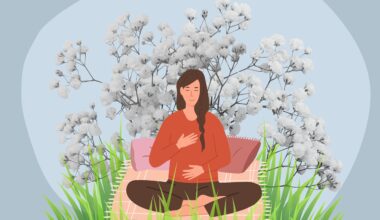
Breath awareness meditation is a profound technique designed to enhance sleep readiness. Practicing this method encourages individuals to focus on their breathing patterns, promoting relaxation and reducing stress. By enhancing awareness of one’s breath, you allow the mind to settle and the body to prepare for restful slumber. In the hustle and bustle of daily life, stress can build up, making it challenging to unwind at the end of the day. Breath awareness acts as a gentle reminder to slow down, relinquishing anxious thoughts and finding peacefulness. To begin, find a quiet space where distractions are minimal. Sit comfortably or lie down with your back aligned. As you commence this meditation, focus your attention exclusively on the inhalation and exhalation of your breath. Inhale deeply through your nose, letting your abdomen rise, and exhale slowly through your mouth. The process allows you to tune out external thoughts and cultivate a deeper connection with your inner self. This practice can be transformative, paving the way for a seamless transition from wakefulness to sleep, making it essential in the pursuit of restful nights.
The benefits of breath awareness meditation extend far beyond just improving sleep quality. Many individuals find that regular practice leads to improved emotional regulation, reduction in anxiety, and an overall sense of well-being. Engaging in this practice fosters mindfulness, which enables individuals to recognize their thoughts and feelings without judgment. This self-awareness is crucial for effective sleep preparation, as it allows individuals to identify stress triggers that may affect their ability to relax. A clear mind is fundamental for a restful night’s sleep. Moreover, studies have shown that focusing on breath can lower heart rate and blood pressure, contributing to a state of calm that is conducive to sleep. By integrating breath awareness meditation into your nightly routine, you create a consistent habit that can drastically improve your sleep hygiene. When practiced regularly, this technique helps your body and mind associate breathing exercises with the process of winding down, thus signaling it is time for rest. Therefore, making time for breath awareness meditation can be an indispensable component of your holistic health approach.
Practical Steps for Effective Practice
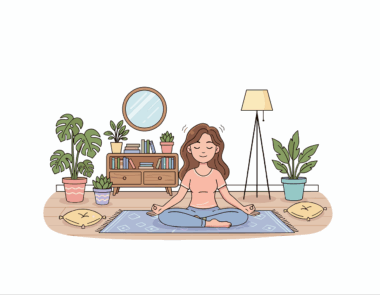
To effectively practice breath awareness meditation, start by establishing a calming environment. Dim the lights, put away electronic devices, and if possible, play soft instrumental music that enhances relaxation. Begin by finding a comfortable position, whether seated or lying down. Close your eyes to minimize visual distractions. Now, bring your awareness to your breath, noticing its natural rhythm without trying to change it initially. Observe how each inhale feels as it fills your lungs, and how each exhale releases tension from your body. After a few cycles, begin to deepen your breath, allowing your diaphragm to engage fully. Count each inhalation and exhalation if helpful, creating an anchor for your attention. When thoughts arise, acknowledge them without getting attached, gently redirecting focus back to your breath. The goal of this meditation is not to empty your mind but to cultivate awareness. As you practice, you may notice improvements in your ability to fall asleep quickly and sleep more soundly. Set aside at least ten minutes each evening for this exercise to reap maximum benefits and integrate it into your nightly routine.
Over time, individuals may notice significant shifts in their sleep patterns when they commit to breath awareness meditation. Consistent practice helps to condition the body and mind, teaching them when it is time to transition from alertness to sleepiness. Clients often report feeling more refreshed upon waking and having improved focus during the day due to better sleep quality. Remember, establishing a new habit takes time, so patience is essential. You may wish to track your sleep and mood on a journal to correlate your practice with improvements in sleep quality. Additionally, consider combining meditation with other sleep hygiene practices, such as maintaining a consistent sleep schedule, reducing caffeine intake, and creating a comfortable sleeping environment. Creating a sleep sanctuary with optimal temperature, limited light, and the right noise level can enhance the efficacy of your breath awareness meditation practice. Try to cultivate a sense of gratitude before bedtime, reflecting on your day positively. This mindset can further enhance your sleep readiness, allowing you to cultivate tranquility instead of tension as you fall asleep.
Incorporating Complementary Practices
In addition to breath awareness meditation, certain practices can significantly enhance your ability to sleep. Consider incorporating gentle yoga or stretching exercises into your routine. These practices promote physical relaxation and release built-up tension, further preparing the body for sleep. Engage in mindful movements that focus on breath coordination, allowing each pose to follow the natural rhythm of your breathing. Additionally, herbal teas, such as chamomile or valerian root, have calming properties that can aid in sleep preparation. Exploring natural remedies or discussing sleep supplements with a healthcare professional can expand your toolkit for achieving better rest. Limiting screen time before bed is vital as blue light emitted by devices can interfere with circadian rhythms. Instead, consider reading a book or engaging in a soothing activity that does not require screens, allowing your mind to decompress. Sleep appears closely tied to lifestyle choices, reinforcing the need for holistic practices that encompass both mind and body. Using your breath as a focal point can remind you to slow down, making room for relaxation and improving overall sleep quality.
Creating an environment conducive to better sleep is equally important as practicing meditation. Keeping a consistent sleep schedule, where you go to bed and wake up at the same time every day, reinforces your body’s natural circadian rhythm. Ensure your sleeping area is free from disturbances, such as excessive noise or bright lights. Darkness signals to your body that it’s time to sleep. Blackout curtains or an eye mask can be beneficial. Furthermore, keep your bedroom at a comfortable temperature, promoting deeper sleep. Cooling the room to around 60-67 degrees Fahrenheit is generally recommended. Position your bedroom to be a true sanctuary for relaxation by using calming colors, hiding clutter, and including tactile comforts like soft bedding and pillows. Aromatherapy can also enhance your environment with soothing scents like lavender. These environmental adjustments can work synergistically with breath awareness meditation to create the perfect atmosphere for sleep. When these mindful practices meld, the likelihood of achieving restful sleep increases significantly, making the effort worthwhile for promoting overall health and wellness.
The Power of Community in Sleep Practices
Finally, it’s essential to realize that support and sharing experiences can significantly impact your journey toward better sleep. Consider connecting with others who share similar interests in wellness, mindfulness, and meditation. Participating in workshops, attending community classes, or even joining online forums focused on sleep and recovery can provide insight and encouragement. Community engagement enriches your practice by introducing new techniques, perspectives, and helps to sustain motivation. Sharing progress can also create accountability, inspiring you to adhere to your nightly rituals. Alternatively, invite friends or family members to join you in practicing breath awareness meditation. This shared experience fosters a sense of connection and can make the practice more enjoyable and meaningful. Discussing your challenges and triumphs with others allows for deeper insights and brings comfort knowing you are not alone on this journey. As you continue to refine your practices and seek assistance from your community, remember that pursuing better sleep is a gradual process deserving of dedication and patience. Together, you can inspire one another to achieve a more restful night.
Ultimately, breath awareness meditation is a powerful tool for improving sleep readiness, enriching your overall well-being. As you delve deeper into this practice, remember that consistency is key. The journey toward quality sleep is not an overnight experience; it requires commitment, practice, and proper adjustment to your lifestyle. Embrace every step along the way, cherishing the process of enhancing your sleep hygiene. Along with all the meditation practices, don’t hesitate to explore other avenues that may resonate with you, such as journaling, creative expression, or spending time in nature. These experiences can help enrich your nightly routine, allowing you to unwind and reconnect with yourself. By prioritizing sleep, you take a crucial step toward achieving optimal health, mental clarity, and emotional resilience. Make breath awareness meditation a cornerstone of your nightly rituals, remembering that it is a valuable part of your self-care repertoire. Gradually, you can cultivate a peaceful sleep environment and fill your life with restful nights and energized days. Explore other complementary techniques, and be patient with yourself as you make the necessary adjustments for nourishing your body and mind.