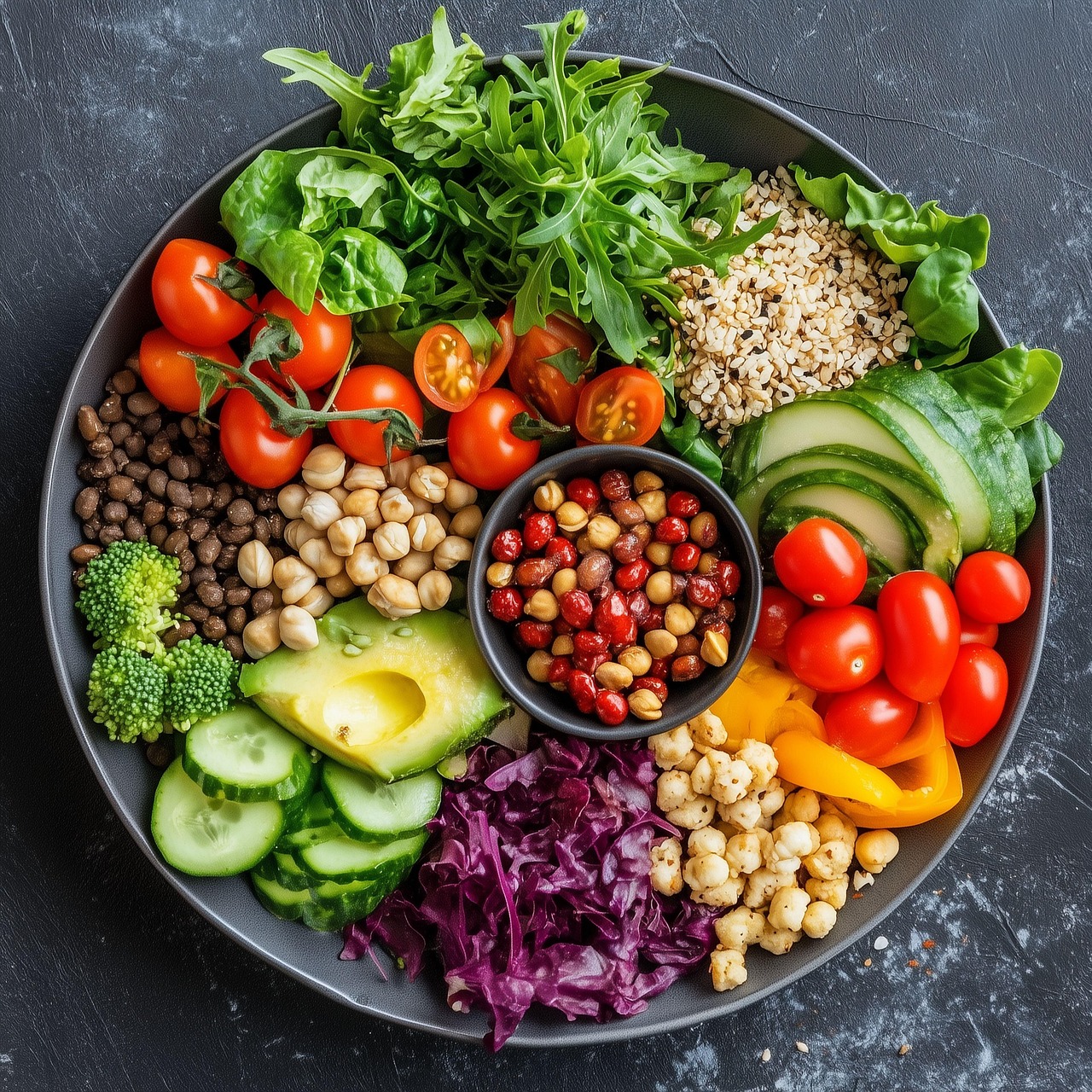

Balancing Macros: A Mindful Approach to Nutrition for Fitness
In today’s wellness-focused world, mindful eating has taken center stage, especially in the fitness community. Mindfulness in nutrition goes beyond the usual counting of calories or macronutrients; it emphasizes awareness of the body’s signals and the quality of food consumed. Incorporating this approach will not only nourish the body but also enhance overall fitness performance. Focus on being present during meals, chewing slowly, and reflecting on the flavors and textures of foods. This can lead to more satisfying eating experiences while encouraging a healthier relationship with food. Research shows that practicing mindfulness can reduce emotional eating, helping individuals make better dietary choices. Consider ways to create a conducive eating environment. This means eliminating distractions, such as screens and multitasking. Conscious food choices become easier when attention is solely on the meal. Mindful eating fosters gratitude for nourishing food, which can truly transform how one views diet. Experimenting with variety and seeking balance among different macros can aid in achieving your fitness goals effectively. Remember that sustainability is key for mindful nutrition in fitness.
To effectively balance macronutrients, it’s important to understand what they are and how they serve your body. The three primary macronutrients are carbohydrates, proteins, and fats. Each plays a unique role in supporting energy levels, recovery, and muscle growth. Carbohydrates are the body’s main source of energy, especially during high-intensity workouts. Mindful eaters should focus on complex carbs, which release energy gradually and provide long-lasting fuel. Proteins are essential for tissue repair and muscle building, making them crucial post-workout. Lean meats, legumes, dairy, and plant-based proteins are excellent sources. Fats, while often misunderstood, are vital for hormone production and overall cellular health. Incorporating healthy fats like avocados, nuts, and olive oil contributes to well-rounded nutrition. A mindful approach also involves awareness of portion sizes and how these macronutrients collectively impact your energy balance. It’s essential to listen to your body’s needs, adjusting your intake according to activity levels. A tailored plan that incorporates sufficient macronutrients aligned with fitness objectives contributes significantly to achieving desired results and maintaining energy throughout daily activities. Working with a nutritionist can help fine-tune your macronutrient ratios effectively.
Practicing Mindful Eating in Everyday Life
Practicing mindful eating requires commitment, but with practice, it can become an integral part of your daily routine. Start by setting aside dedicated time for meals, minimizing interruptions, and creating an environment conducive to reflection. Use a designated space, if possible, with everything you need within reach so that distractions are limited. As you begin your meal, take a few deep breaths to center yourself. This practice can enhance awareness and reinforce your intention to nourish your body mindfully. While eating, take smaller bites and chew slowly, allowing flavors and textures to fully develop on your palate. This will not only improve digestion but also help recognize feelings of fullness, reducing the possibility of overeating. Another practical tip is to engage your senses by describing the meal’s colors, smells, and tastes. This can deepen your appreciation for food and promote satisfaction. Additionally, it can be helpful to journal your eating experiences, noting how different foods impact your energy and mood. This habit can encourage more thoughtful choices during meals and support long-term success in fitness journeys, enabling you to address any barriers that arise.
Mindful eating also encourages individuals to reevaluate their food choices, focusing on quality over quantity. Opting for whole foods instead of processed options can significantly impact overall wellness and fitness goals. Whole foods are nutrient-dense and provide essential vitamins, minerals, and fibers that support health. When planning meals, prioritize incorporating seasonal fruits and vegetables that naturally appeal to the senses. Colorful plates are often more appetizing and visually stimulating, encouraging consumption of varied nutrients. Also, consider batch cooking to ensure that healthy foods are always on hand. This approach reduces the likelihood of reaching for less nutritious convenience foods. In addition, remain open to experimenting with new recipes and cooking methods to create balance in meals. Mindful eating encourages flexibility; it’s about making choices that best serve your body while still enjoying food! Recognizing that food can be both nourishing and pleasurable can foster healthier habits. Engage with community resources, such as cooking classes or farmer’s markets, to learn more about nutritious options. These experiences can reinforce positive eating habits consistent with a fitness lifestyle.
The Role of Intuition in Food Choices
Developing intuitive eating skills is another essential aspect of a mindful approach to nutrition. Intuitive eating encourages individuals to listen to their body’s hunger and satiety cues rather than relying on external factors, such as diet trends or calorie counts. This shift towards inner guidance allows for a more personalized approach to food, often resulting in a better relationship with eating behaviors. The essence of intuitive eating is embracing flexibility; it’s not about strict rules but rather trusting your instincts regarding food choices. One can start by practicing self-compassion when exploring favorite foods. Denying cravings can lead to feelings of deprivation, which might trigger binge eating. Instead, honor those cravings in moderation while remaining aware of how they make you feel physically and emotionally. Keeping a food journal can help reveal patterns in hunger signals and preferences, promoting deeper connections with food experiences. Engaging in mindful activities, like cooking your meals from scratch, can also foster this intuitive approach. This connection can significantly impact fitness progress while bringing joy and satisfaction to eating, strengthening motivation to continue healthy practices.
Ultimately, the pursuit of fitness should always consider the enjoyment of food as a priority. When exercise routines are complemented by a mindful approach to nutrition, sustainable habits develop naturally, and individuals become more likely to stick with their fitness goals. Recognizing that each person’s journey is unique and that there is no one-size-fits-all solution is essential. Incorporating a variety of foods within the diet will cater to unique preferences while ensuring that nutritional needs are met. Meal planning can help alleviate stress and encourage adventurousness with food. Look for opportunities to incorporate different cuisines and flavors, making meals exciting rather than a chore. Mindfully preparing meals can also be an enjoyable experience shared with friends or family, enhancing social connections. This can further reinforce healthier habits as social support plays a significant role in maintaining motivation. Being open to changes in your fitness and nutrition journey is integral, allowing room for growth and evolution in personal choices. Celebrate milestones along the way, cherishing how each choice contributes to enhancing overall health and fitness outcomes. Health is a lifelong journey that encompasses all aspects of life.
Connecting Mindfulness and Fitness
Connecting mindfulness and fitness can optimize overall well-being. Exercise and nutrition are two interconnected pillars of health that can transform each other positively. A mindful approach encourages honing in on how workouts affect your body, both physically and mentally. For instance, pay attention to how energy levels fluctuate after meals and how workouts feel based on prior food intake. This insight can guide adjustments in nutrition, maximizing performance during exercise. Moreover, incorporating mindfulness practices like yoga or meditation can reduce stress levels, which can indirectly impact eating habits. Mindfulness techniques incorporated in workout routines, such as focusing on breath or tuning into the body’s movements can enhance awareness and connection to self. Consider trying different activities, finding joy in physical movement that resonates deeply. Enjoying various workouts can make it easier to stay consistent while enhancing motivation. Establishing a clear connection between food, energy, and physical performance is fundamental to aligning nutrition goals with fitness ambitions. Explore classes or wellness workshops that emphasize a holistic perspective, allowing exploration of the interplay between a mindful diet and effective fitness strategies for holistic health benefits.
Mindful fitness is ultimately about balance. Balance isn’t just about macronutrients but extends to all facets of health, including mental health and emotional well-being. Approach your fitness and nutrition journey with kindness towards yourself, and remember it’s a process, not a destination. There will be setbacks, but maintaining a growth mindset can transform challenges into opportunities for learning. Establish supportive practices surrounding nutrition and exercise that help you stay motivated and resilient. For instance, surrounding yourself with people sharing similar values regarding health can be incredibly supportive. Consider joining fitness groups or classes where mindfulness and fitness intersect, enabling you to grow alongside like-minded individuals. Regularly assess your progress, reflecting on what works and what could be improved. This also reinforces the importance of self-reflection in mindful eating. By setting both short-term and long-term goals, you can keep your focus on the bigger picture while enjoying the small victories. As you embark on this mindful nutrition journey, celebrate the unique ways that food and fitness enhance your life’s joy, vitality, and overall wellness. Consider every meal and every workout an opportunity to nourish not only the body but also the mind.