
Using Foam Rollers to Boost Flexibility
Foam rolling is an essential tool in many fitness enthusiasts’ routines, particularly for those looking to improve flexibility. The technique is based on self-myofascial release, which helps to reduce muscle tightness and improve the range of motion. Understanding the mechanics of foam rolling can enhance performance and recovery. Including foam rolling in your flexibility improvement plan is a commitment to long-term health benefits. By incorporating foam rolling sessions, ideally before and after workouts, you will notice significant changes in your muscle elasticity and flexibility levels. Use a foam roller regularly to address specific areas of tightness. This technique is not only beneficial for athletes but also for anyone looking to improve overall mobility and well-being. Combine foam rolling with stretching exercises to maximize effectiveness. As a vital component of any fitness program, foam rolling enhances recovery by promoting blood circulation and reducing muscle soreness. Furthermore, developing a habit of foam rolling will cultivate a deeper connection with your body, fostering awareness of its limits and capabilities. Embrace this transformative practice and unlock new possibilities in your fitness journey!
Foam rolling has a wealth of benefits for flexibility and overall physical performance. One primary goal of foam rolling is to alleviate muscle stiffness, which can be a significant obstacle to achieving desired flexibility goals. As muscles become more pliable through foam rolling, their ability to stretch and contract increases, leading to enhanced performance in various fitness activities. Additionally, effective foam rolling can aid in injury prevention by promoting improved blood flow to muscles and supporting the recovery process. Consistent use of foam rollers can also help users achieve better posture by addressing muscle imbalances that lead to tightness. A well-rounded flexibility improvement plan should integrate foam rolling as a staple practice. Incorporating foam rolling into your warm-up routine can prepare your muscles for intense workouts while priming your body for the movements ahead. Following up with foam rolling post-exercise can further facilitate the recovery process, ensuring that your muscles are relaxed and ready for the next workout. Lastly, be mindful of your individual needs when choosing foam roller techniques that work best for you.
The Science Behind Foam Rolling
The science behind foam rolling lies in its ability to manipulate your fascia, the connective tissue encompassing your muscles. When using a foam roller, the pressure applied helps to break down knots and adhesions that limit mobility. This self-myofascial release technique activates proprioceptors, promoting a greater awareness of muscle tension and encouraging relaxation. As you practice foam rolling, you’ll gradually learn to identify areas of tightness and work through them effectively. Various scientific studies demonstrate that foam rolling can increase flexibility and decrease soreness in muscles, making it an invaluable addition to any flexibility improvement plan. Furthermore, foam rolling aids in the regeneration of muscle tissues, enhancing the recovery time after intense workouts. As a result, users can maintain consistent training without prolonged downtime due to tightness or injury. The psychological benefits of foam rolling should not be overlooked either. Taking the time to foam roll serves as a mindful practice, allowing for relaxation while increasing body awareness and connection with physical sensations. Incorporating foam rolling into your routine ultimately leads to long-term flexibility benefits and improved fitness performance overall.
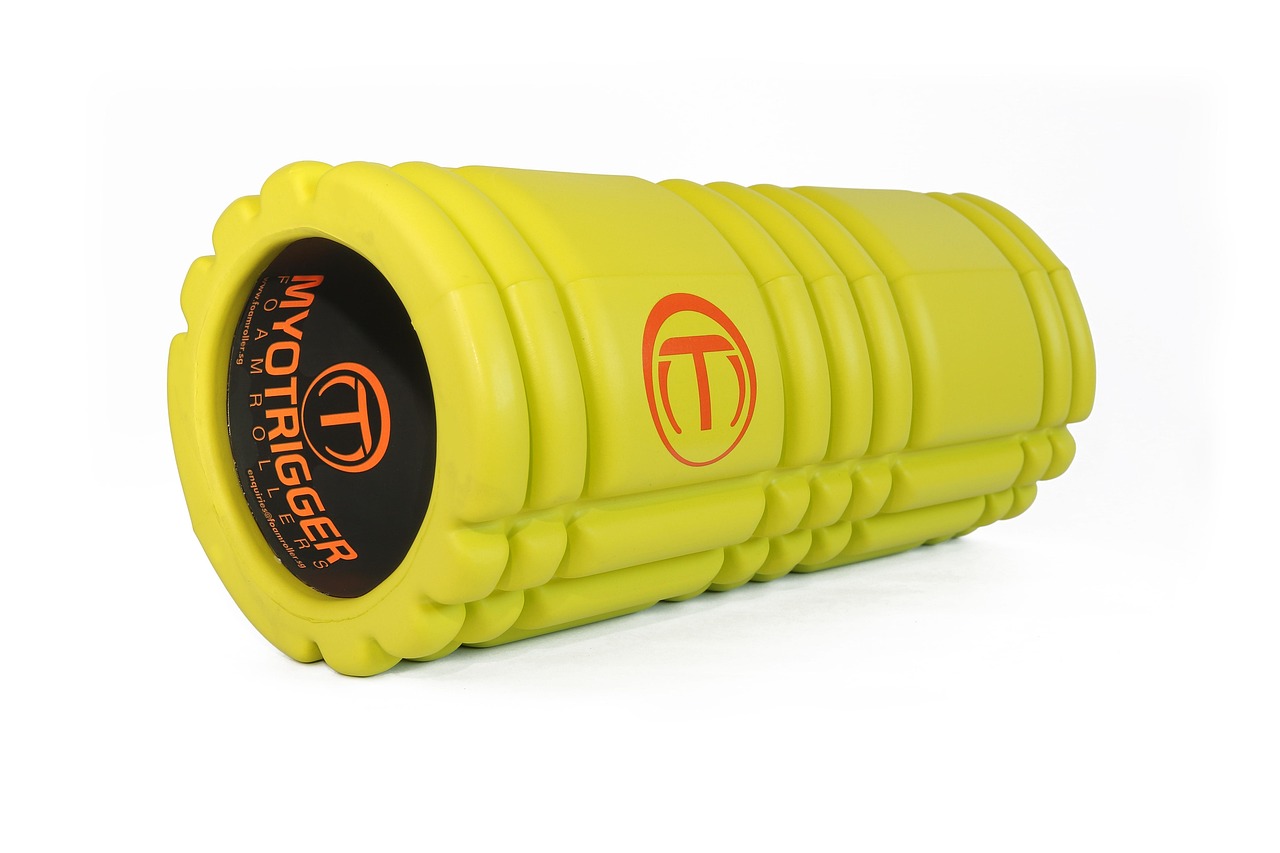
To start your foam rolling journey, select the right foam roller tailored to your needs. Rollers come in various densities, sizes, and textures, which can affect performance. Beginners may find softer rollers more approachable, while advanced users can opt for denser rollers that provide deeper pressure. Begin with a short session of about 5 to 10 minutes, focusing on one to two targeted areas per session. Try rolling over major muscle groups, such as the back, thighs, or calves, for increased flexibility. Gradually increase the duration of your foam rolling sessions as you become more accustomed to the new sensation. Engage in mindful breathing while rolling as it aids relaxation and enhances the overall experience. Pay attention to any discomfort, but avoid rolling over bony areas or joints to prevent potential injury. Consult resources or instructors to learn effective foam rolling techniques and methods. This ensures maximized benefits and minimizes the risk of injury. Creating a personalized foam rolling routine that works for your body will set the foundation for your flexibility improvement plan!
Integrating Foam Rolling with Stretching
Combining foam rolling with stretching can significantly enhance your flexibility improvement plan. When performed sequentially, foam rolling prepares muscles for stretching by reducing tightness and increasing blood flow. Begin with a foam rolling session targeting the areas of interest before transitioning to static or dynamic stretches. The increased circulation from foam rolling allows your muscles to become more pliable for stretching routines. For example, if you’re focusing on hip flexibility, foam roll the quadriceps and hamstrings thoroughly before performing hip stretches. This technique not only boosts effectiveness but can also lead to greater increases in overall range of motion. Experiment with various stretching techniques that complement your foam rolling sessions, such as static holds or dynamic movements. Combining these practices fosters muscular balance, promoting a well-rounded flexibility improvement strategy that nurtures holistic physical health. Additionally, make sure to listen to your body while integrating foam rolling and stretching. Recognizing discomfort can help you customize your routine for the best results and avoid overstretching or injury.
Tracking your foam rolling progress can be incredibly insightful as you work towards improved flexibility. Maintaining a fitness journal or using an app to log your foam rolling sessions can provide insight into patterns, progress, and areas that require additional focus. Documenting your experiences allows you to celebrate achievements and set future goals. For example, you might note increased range of motion in specific stretches or decreased muscle soreness after foam rolling. This reflective practice can keep you motivated as it shows the tangible benefits of your efforts in real-time. Regular check-ins on your flexibility progress will solidify the benefits that foam rolling brings. Consider integrating visual aids, such as photographs, to assess changes in flexibility or posture over time. Sharing your experiences with others, whether through group classes or online forums, can help build a sense of community and encourage additional accountability. Motivation can be amplified by interacting with like-minded individuals on a shared journey toward achieving fitness goals. Collaborate, share, and connect while working together towards enhanced flexibility.
Final Thoughts on Foam Rolling
In conclusion, foam rolling is a valuable tool for anyone looking to improve flexibility as part of their fitness regimen. Its ability to enhance muscle pliability and promote recovery makes it an essential practice to incorporate into your routine. The self-myofascial release techniques involved not only contribute to fearlessly overcoming tightness but also offer mental benefits through mindfulness. Adopting a consistent foam rolling habit improves your overall flexibility and helps you develop a deeper understanding of your body’s mechanics. As you progressively work towards greater flexibility, embrace foam rolling in conjunction with stretching and other practices that support your goals. Analyze and adjust your routine based on how your body feels and responds to various techniques. Remember to prioritize self-care and enjoy the process of enhancing your flexibility and overall physical health. Make foam rolling an enjoyable and enriching part of your fitness journey, and you’ll reap the rewards both physically and mentally. Delve into the transformative world of foam rolling today, and discover how it can boost your flexibility like never before!
Join classes or workshops focused on foam rolling techniques to deepen your knowledge and enhance skill. Engaging with trusted fitness professionals or instructors can uncover new methods and tips to maximize the effectiveness of foam rolling within your flexibility improvement plan. Staying informed on recent developments in the fitness community may provide insight into innovative practices that can further benefit your fitness goals. Make foam rolling a shared experience with friends or family, encouraging others to join your journey towards better flexibility! The camaraderie can enhance motivation, making it enjoyable. Whether for fitness enthusiasts or beginners, anyone can benefit from the overall well-being foam rolling brings. Invest in yourself by prioritizing your flexibility and becoming well-versed in an effective and supportive practice like foam rolling. Reap the physical and mental benefits of this versatile technique, knowing you are taking an active role in maintaining your body and overall health. Explore resources available for foam rolling, and empower yourself to push limits while fostering a sense of community in fitness.