
Tracking Your Recovery: Tools and Techniques for Home Athletes
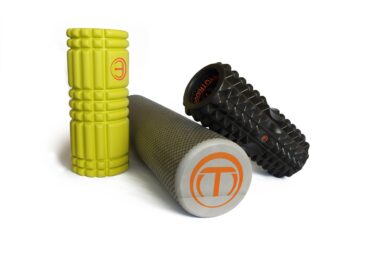
Recovery is essential in any workout routine, especially for home athletes. It promotes muscle repair, reduces soreness, and prevents injury. Incorporating effective recovery techniques can dramatically enhance performance and well-being. To optimize recovery, it’s important to listen to your body and utilize various methods. Among these, foam rolling is one of the most popular and effective self-myofascial release techniques. This method involves using a foam roller to massage tight muscles and fascia. Regular foam rolling sessions can increase blood flow, enhancing circulation and accelerating the healing process. Stretching also plays a crucial role in recovery, as it maintains flexibility. Dynamic stretching before workouts and static stretching post-exercise work well. Moreover, maintaining hydration is vital; water aids in muscle recovery and helps to flush out toxins produced during workouts. Additionally, incorporating rest days into your training schedule reduces fatigue. Finally, consider using wearables or apps that monitor recovery metrics, such as heart rate variability or sleep quality, offering valuable insights into your progress. Effective recovery techniques not only benefit performance but also significantly enhance your overall fitness journey.
Importance of Sleep in Recovery
Sleep is often overlooked but remains critical for optimal recovery. Adequate sleep helps the body to repair itself and significantly influences athletic performance. The National Sleep Foundation recommends 7 to 9 hours of sleep for adults, yet many fall short. Quality sleep enhances muscle recovery and cognitive function, allowing athletes to perform at their best. During deep sleep, blood flow to muscles increases, which is vital for healing. Furthermore, the production of growth hormone peaks at night, facilitating muscle growth and recovery. Establishing a bedtime routine can enhance sleep quality; try to go to bed and wake up at the same time daily. Furthermore, limit screen time before bed—blue light emitted by devices can interfere with the natural sleep cycle. To promote relaxation, consider incorporating mindfulness practices such as meditation or gentle yoga into your pre-sleep routine. Additionally, a comfortable sleep environment—proper mattress, darkened room, and cool temperatures—can aid in achieving restful sleep. Overall, prioritizing sleep as a recovery tool significantly enhances overall athletic performance, reduces injury risk, and bolsters mental health and focus during workouts.
Nutrition plays a critical role in recovery after home workouts. The right balance of macronutrients accelerates healing and boosts performance. Post-workout meals should ideally contain a combination of protein and carbohydrates. Protein aids in muscle repair and growth, while carbohydrates replenish glycogen stores. Aim for a post-exercise meal within 30 to 60 minutes to maximize recovery benefits. Examples of effective post-workout snacks include Greek yogurt with fruits, smoothies with protein powder, or a simple peanut butter sandwich. Furthermore, omega-3 fatty acids found in fish and walnuts have anti-inflammatory properties that help reduce soreness. Hydration remains essential, as fluids lost during workouts must be replenished. In addition to water, electrolytes such as potassium and sodium also need to be rebalanced. Electrolyte drinks or coconut water can be excellent supplements. Some athletes utilize recovery supplements, such as branched-chain amino acids (BCAAs), known to enhance muscle recovery. However, always consult a healthcare professional before starting any supplementation. Tailoring your nutrition plan post-exercise will greatly aid in your recovery journey and enhance your performance in future workouts.
Active Recovery Techniques
Busyness can make consistent exercise challenging, but active recovery can fit into any schedule. Unlike complete rest, active recovery involves low-intensity movements that maintain blood circulation without placing added stress on the body. Activities like walking, cycling, or swimming at a gentle pace are perfect examples. Incorporating such light activities can help drop heart rates and ease muscle tension while promoting recovery. Yoga is another excellent active recovery technique, improving flexibility and range of motion. Different types of yoga cater to various fitness levels—beginner classes emphasize stretching and relaxation. Engaging in these activities can significantly reduce the risk of DOMS, or delayed onset muscle soreness. Moreover, these techniques are beneficial for mental recovery, as they promote relaxation and stress reduction. Integrating active recovery sessions into your routine, particularly after strenuous workouts, allows the body to bounce back more efficiently. Scheduling these sessions regularly boosts overall fitness levels and enhances enjoyment from workouts. Embrace various activities that you enjoy and thrive in during active recovery sessions to maintain motivation and consistency in your fitness journey.
Listening to your body is a paramount skill in understanding effective recovery. Recognizing signs of fatigue or soreness can help adjust training intensity and frequency. Utilize a training journal to document experiences after workouts. Record how you feel, muscle soreness intensity, and overall energy levels. This practice helps identify patterns—you may find specific exercises lead to increased fatigue. Another great tool is a recovery app that tracks metrics such as sleep quality, mood, and perceived exertion. This data can help tailor your training regimen based on recovery needs. Many athletes use heart rate monitoring as a recovery indicator. A lower resting heart rate often signifies that your body is adapting and recovering well. Conversely, higher-than-normal rates can indicate that your body is fatigued and needs extra rest. Additionally, consider using self-reflection techniques, such as mindfulness or meditation. Engaging in self-check-ins periodically encourages awareness of mental and physical health. Maintaining this self-awareness aids in making informed decisions about your workouts and recovery. Personalizing your recovery plan based on data and intuition will enhance your fitness journey, leading to continuous improvement and resilience.
The Role of Mobility Work
Mobility work is a vital component often ignored in regular workout routines, especially for home athletes. Improving mobility enhances the range of motion in joints, contributing to improved workout performance and reduced injury risk. Various techniques can aid in increasing mobility. Dynamic stretching before workouts can prepare the body for movement, while static stretching post-exercise helps maintain flexibility. Incorporating mobility drills can focus on specific joints, like shoulders, hips, and ankles, ensuring they remain limber. Furthermore, exercises like lunges, squats, and arm circles are excellent for promoting freedom of movement. Many athletes find value in utilizing resistance bands during mobility work; they effectively provide resistance, improving both strength and flexibility. Another popular approach to enhancing mobility is through yoga or Pilates. These practices emphasize the connection between breath and movement, allowing individuals to engage in deep stretches. Commit to incorporating dedicated mobility sessions into your weekly routine. Practicing mobility exercises not only improves athletic performance but also positively impacts daily activities. As you enhance mobility, you’ll notice improved recovery and performance levels, which contributes to a more enjoyable fitness experience.
Monitoring your recovery progress is essential for long-term success as a home athlete. Whether through formal assessments or casual reflections, tracking can provide valuable insights. Many home athletes use wearables, such as smartwatches, to track various metrics, including heart rate, sleep quality, and activity levels. Some apps proactively analyze collected data, offering recovery suggestions and insights into training loads. Another effective method involves recording daily energy levels and overall mood in a journal. This practice promotes self-awareness and helps to identify patterns in recovery. Periodically take time to reassess your training plan based on recovery insights. If you continuously feel fatigued, consider reducing workout intensity or incorporating additional rest days. Formulating goals ensures purposeful tracking. Set objectives related to recovery, such as sleep quantity, hydration levels, or muscle soreness indicators. Adjust your strategies according to progress and challenges encountered. Accountability plays a significant role; consider sharing your goals with a friend or a fitness group. Regularly evaluate your commitments and be flexible to adapt to changing needs. Tracking recovery effectively ensures continued progress and enjoyment in your fitness journey.