
The Impact of World Wars on Youth Athletics Development
The history of youth athletics has been significantly shaped by global events, particularly the two World Wars. Before World War I, youth athletics was primarily seen as an extracurricular activity. Schools began to recognize the importance of physical education in developing young people character, health, and community spirit. The war shifted focus, as many young athletes enlisted in military service. After the war ended, there was a renewed interest in physical fitness, spurring many organizations to establish athletic programs. These initiatives aimed to engage youth in constructive activities promoting teamwork, discipline, and resilience. Various sports became popular during the post-war years, with schools incorporating competitive athletics into their curricula. Leaders recognized that participation in sports could support healing processes for the youth returning from war. The establishment of youth leagues and regional competitions further solidified athletics as a vital part of youth culture. Young people were seen not only as future athletes but also as responsible citizens. This paved the way for long-term development in youth sports that continues to evolve today.
Post-World War I Developments
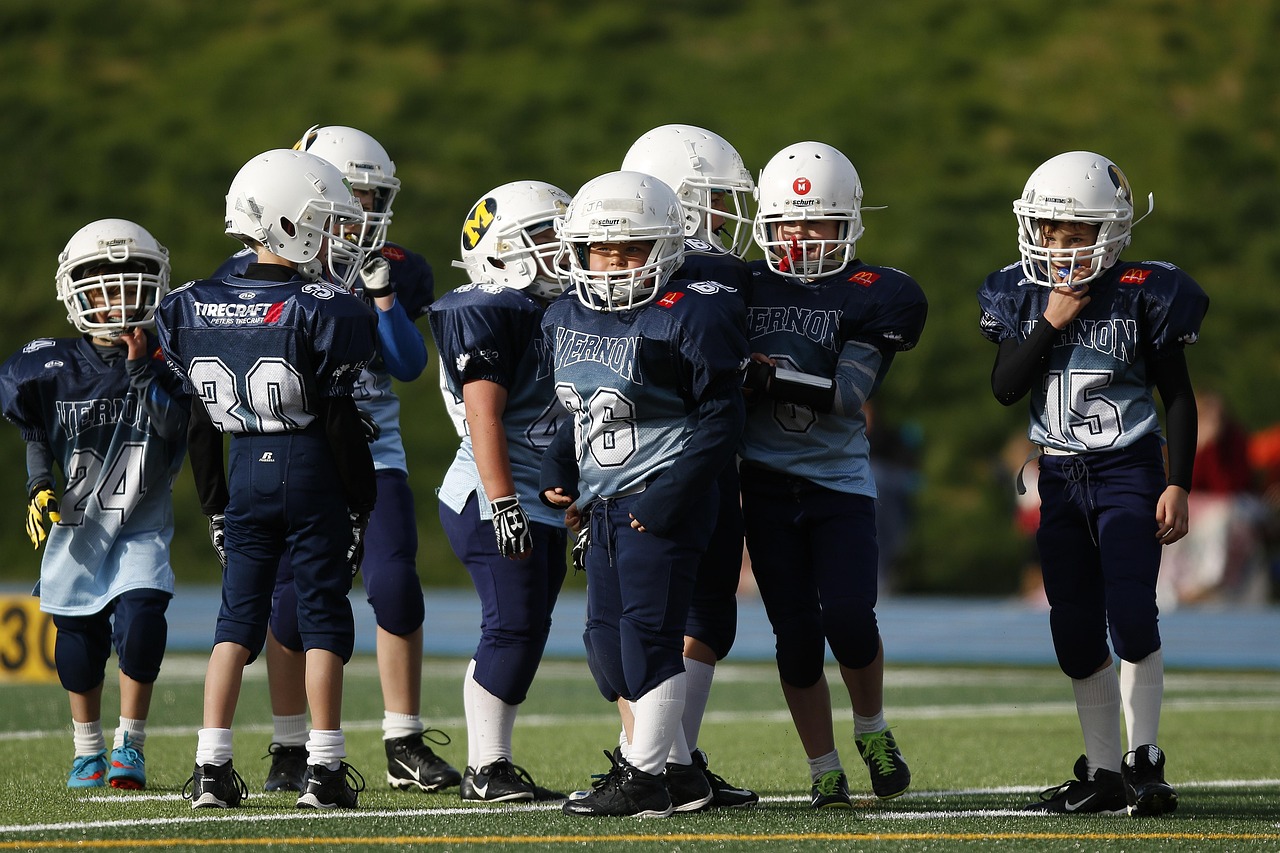
After World War I, youth athletics experienced transformation in response to societal changes and the need for holistic development. As young soldiers returned home, they influenced the landscape of youth sports, emphasizing the importance of physical health and well-being. Schools began to implement structured physical education programs, promoting organized sports leagues, particularly in football, basketball, and track. Furthermore, community centers across the country emerged to accommodate the surge in young people eager to participate in athletics. These community organizations provided accessibility for youth to engage in sports regardless of their economic backgrounds. Many parents recognized the discipline and leadership skills inherent in playing sports, leading to increased participation rates among young athletes. Additionally, nationwide competitions were created, inspiring healthy competition and fostering a sense of community pride. Organizations such as the Amateur Athletic Union (AAU) played a pivotal role in shaping athletics for youth during this period. They helped standardize competitions and created opportunities for young athletes to showcase their talents. This led to an era of groundbreaking achievements in youth athletics that set the groundwork for future developments.
With the onset of World War II, youth athletics once again faced disruptions as many young people volunteered or were drafted into military service. This significantly impacted the existing athletic organizations, which had to adapt to limited resources and changing demographics. Schools and communities found themselves grappling with the loss of young athletes, prompting them to focus on providing a safe recreational outlet for those left behind. During this turbulent period, many organizations emphasized participation over competition, steering young people towards sports as a means of relaxation and physical activity. Many adapted their programs to foster unity and collective support among youth, reinforcing the idea that athletics could be a refuge from the grim realities of war. The war also inspired innovation, leading to new games and adaptations to existing sports, enhancing youth engagement. Meanwhile, national initiatives such as the National Youth Administration aimed to employ the younger generation while promoting physical well-being. By the war’s end, there was a growing understanding of the importance of youth athletics as a means to rejuvenate communities and support future generations.
Post-World War II Athletic Expansion
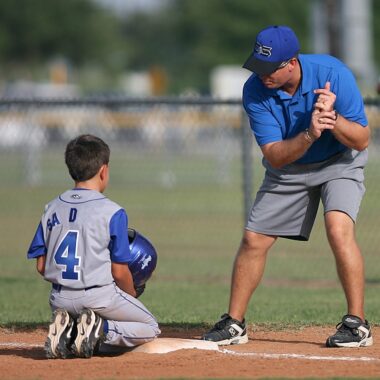
Following World War II, youth athletics surged in popularity and became integral to educational systems across the globe. As returning veterans reintegrated into civilian life, there was a substantial demand for programs promoting youth engagement in athletics. This trend was bolstered by the emphasis on preventing juvenile delinquency through structured athletic programs. Schools expanded their physical education classes and began to invest in competitive sports teams, recognizing the positive effects of athletics on academic performance and personal development. The proliferation of television also played a significant role in promoting sports, exposing youth to role models from various disciplines. Young athletes began to aspire toward participation not just for leisure but also for potential professional careers within sports. Competitions such as the Little League Baseball and school athletic championships gained significant traction, fostering friendship among participants. Moreover, the establishment of the International Olympic Committee’s youth competitions further inspired adolescents to excel in athletics. These developments marked a transformative time as athletics became a celebrated part of youth culture, positively influencing countless lives across various communities.
In addition to physical health, youth athletics post-World War II highlighted the importance of inclusivity and diversity within sports. As society began to recognize the rights of minority groups, this shifted the landscape of youth athletics towards greater equality. Schools increasingly adopted policies that encouraged diverse participation, empowering children from different backgrounds to participate in sports. This movement gained traction with organizations like the National Collegiate Athletic Association (NCAA) and local youth clubs actively promoting inclusivity. This led to young athletes from various socio-economic backgrounds showcasing their talents, contributing to thriving communities throughout the United States. More than just a platform for competition, youth athletics cultivated a sense of belonging and camaraderie among participants. Organizations tailored programs to emphasize teamwork and mutual respect over individual success, resulting in improved social skills among young athletes. Sports also became a medium for addressing societal issues, such as racism and gender discrimination, as various athletes used their platforms to advocate for change. These developments significantly shaped the modern landscape of youth athletics and continue to influence present practices.
Modern-day Youth Athletics
Today, youth athletics continues evolving, reflecting the complexities of society and the impacts of past events. The influence of World Wars created a foundation that enabled long-lasting changes in sports culture, fostering resilience and determination among young participants. Currently, youth sports programs emphasize holistic development through a multi-faceted approach combining physical education, leadership development, and community engagement. Technological advancements have also transformed the landscape, providing young athletes with innovative training tools and resources. Additionally, the rise of social media has enabled fledgling athletes to gain exposure and connect with mentors across the globe. This has empowered many young sports enthusiasts to pursue their passions actively while advocating for issues such as mental health awareness and inclusivity within athletics. Importantly, organizations today prioritize the well-being of young athletes over rigid competitive structures. The increased focus on education and creating supportive environments is helping to ensure that youth athletics can provide numerous benefits long into the future. Emphasizing ethics, integrity, and community connections is helping to keep the spirit of youth athletics alive, ensuring it continues to thrive.
Reflecting on the impact of wars, we see that their influence on youth athletics development has been profound. Sports have always been a reflection of societal values, and the wars catalyzed breakthroughs that shaped modern athletics. Global conflicts prompted not just changes in athletic participation but also instigated a renewed appreciation for physical fitness and teamwork. Young athletes emerged as community leaders, utilizing their experiences on the field to build stronger societies. Today, as we navigate contemporary challenges, we can revisit the lessons learned from history and witness how they continue to shape youth athletics today. Ongoing efforts towards inclusivity, well-being, and community engagement signify the ongoing legacy of athletes positively influencing society. It is vital to explore this historical context further, as it allows us to appreciate the resilience and dedication present in youth sports. As we champion the cause of young athletes, we should also pay homage to the transformative power of sports fostered during difficult times. Continuing this tradition will ensure future generations can benefit from athletics, experiencing its joy, camaraderie, and invaluable life lessons.