
Role of Coenzyme Q10 in Reducing Muscle Fatigue and Enhancing Recovery
Coenzyme Q10, commonly referred to as CoQ10, plays a vital role in cellular energy production and may significantly aid athletes in their recovery processes. Research indicates that supplementing with CoQ10 can improve physical performance by enhancing mitochondrial function. Mitochondria are the powerhouse of cells, producing ATP, the energy currency of the body. Proper energy production is crucial during and after exercise, especially when muscle fatigue is a concern. Enhanced ATP production allows athletes to train harder and recover faster, minimizing downtime due to fatigue and injury. Additionally, CoQ10 exhibits potent antioxidant properties, protecting muscles from oxidative stress. During intense workouts, oxidative damage can occur, leading to increased muscle soreness and longer recovery times. Therefore, CoQ10 acts as a dual-action supplement, offering both energy enhancement and cellular protection. Furthermore, dosage plays a crucial role in achieving optimal results. Most studies recommend dosages ranging from 100 mg to 300 mg daily for effective benefits. Proper intake and timing may further amplify favorable outcomes in muscle recovery and soreness reduction. Thus, CoQ10 serves as a compelling option for those looking to enhance their athletic performance and reperformance.
How CoQ10 Works in the Body
CoQ10 is integral to the electron transport chain, a series of complexes that generate ATP. By facilitating electron transfer, it ensures efficient energy production, especially during high-intensity exercise. Additionally, this coenzyme aids in stabilizing cellular membranes, which is particularly advantageous for muscle cells. During physical activities, muscle fibers are subjected to strain and damage, which may compromise their integrity. With enhanced cellular membrane stability due to CoQ10, the risk of injury decreases. The antioxidant effect of CoQ10 also plays a major role in mitigating inflammation, which often leads to delayed onset muscle soreness (DOMS). DOMS can be a significant impediment for athletes, limiting their ability to train effectively. CoQ10’s ability to reduce inflammation means faster recovery and less pain after workouts, allowing athletes to maintain a consistent training regimen. This is particularly important during peak training weeks before competition, where maintaining performance levels is critical. Ultimately, CoQ10 offers athletes a unique pathway to improved performance via its multi-faceted benefits. By addressing energy production, cellular stability, and inflammation, it is ideally suited for those aiming to enhance both recovery and performance after strenuous workouts.
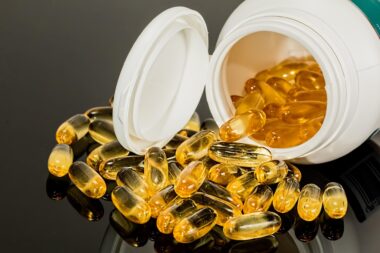
Incorporating CoQ10 into a post-workout routine can critically influence recovery outcomes. Various forms of supplementation are available, including soft gels, capsules, and powder formats. Each type offers unique absorption rates, influencing how quickly and effectively CoQ10 enters the bloodstream. For optimal results, consistency is key. Regular intake can significantly improve muscle recovery and decrease general fatigue in athletes. Monitoring individual responses to CoQ10 is essential, as some might notice rapid improvements, while others might require a few weeks to discern significant benefits. Furthermore, coupling CoQ10 supplementation with a balanced diet rich in antioxidants can enhance its effectiveness. Foods such as fruits, vegetables, and whole grains provide additional nutrients that support recovery processes. It’s crucial to discuss supplementation with a healthcare professional, especially for those with underlying health conditions or taking medications. Safety and interactions should be considered to ensure a beneficial approach. In conclusion, integrating CoQ10 into a comprehensive recovery plan, alongside proper nutrition and training, can significantly promote muscle recovery and mitigate fatigue, ultimately paving the way for improved athletic performance.
Scientific Studies and Evidence
Numerous scientific studies have assessed the efficacy of CoQ10 in improving athletic performance and recovery. A study published in the Journal of Athletic Training found athletes who supplemented with CoQ10 had improved exercise tolerance and reduced oxidative stress markers. This research underscores the coenzyme’s capacity to enhance both performance and recovery. Additionally, another study highlighted CoQ10’s role in reducing muscle soreness post-exercise. Participants who supplemented reported significantly less pain and faster recovery times compared to the placebo group. Such findings support CoQ10’s effectiveness, showcasing its role as an essential supplement in a sports nutrition regimen. Furthermore, CoQ10 has been observed to promote cardiovascular health, which is crucial for athletes. Improved cardiovascular health translates to better oxygen delivery during strenuous activities. With robust blood circulation, athletes can experience decreased fatigue, further enhancing performance outputs. As interest continues to grow, more research is anticipated to accurately quantify the advantages of CoQ10 supplementation across diverse athletic populations. In summary, existing studies validate the benefits of CoQ10, making it a favored supplement for many athletes focused on optimizing recovery and performance outcomes after rigorous training.
While integrating CoQ10 into your recovery strategy, it’s essential to consider the timing of supplementation. To maximize the benefits, taking CoQ10 shortly before or after workouts may be beneficial. This timing allows the body to utilize its energy-boosting properties immediately during strenuous activity and subsequently during recovery. Additionally, athletes shouldn’t underestimate the importance of hydration for optimal recovery. Alongside CoQ10, adequate hydration facilitates nutrient transport and metabolic processes required for muscle repair. Post-exercise, consuming both water and electrolyte-rich fluids can greatly enhance recovery, particularly after intense workouts. Pairing CoQ10 with carbohydrates may also expedite recovery. Carbohydrates replenish glycogen stores depleted during exercise, which, when combined with CoQ10’s energy-producing capabilities, supports an effective recovery process. In essence, combining hydration and carbohydrate intake with CoQ10 supplementation creates a synergistic effect that significantly boosts recovery rates. Athletes should continually evaluate their recovery strategies and be open to adjusting their approaches based on how their bodies respond. This holistic view fosters a more sustainable and successful athletic performance trajectory over time.
Potential Side Effects and Considerations
Although CoQ10 is generally considered safe for most individuals, potential side effects may occur, and awareness is necessary. Some may experience mild gastrointestinal disturbances, such as nausea or diarrhea. These symptoms are often lessened by taking CoQ10 with food. It’s important to note that individuals on certain medications, particularly blood thinners, should consult healthcare professionals before starting supplementation. CoQ10 may interact with such medications and affect their efficacy or safety. Additionally, the choice of CoQ10 type, such as ubiquinol or ubiquinone, may influence individual reactions; hence personal tolerance is essential in selecting a preferred formulation. Moreover, it’s vital to purchase quality supplements from reputable manufacturers to ensure purity and effectiveness. Lastly, while CoQ10 shows great promise, relying solely on supplementation without incorporating general dietary improvements and proper training may diminish its effectiveness. Athletes should view CoQ10 as a part of a comprehensive sports nutrition plan that emphasizes balanced eating, hydration, and adequate rest for optimal recovery. Consequently, careful evaluation contributes to a well-rounded strategy focused on maximizing performance and minimizing injury risks.
In conclusion, the role of Coenzyme Q10 in reducing muscle fatigue and enhancing recovery is increasingly acknowledged within the sports nutrition community. Its dual function in boosting energy production and mitigating oxidative stress positions it as a valuable addition to an athlete’s training regimen. Ongoing research continues to expand our understanding of CoQ10, revealing new insights into how it influences recovery and performance. For athletes seeking to improve their recovery times and ensure their bodies can withstand the rigorous demands of training, CoQ10 represents a promising pathway. By ensuring appropriate dosages, timing, and pairing it with healthy lifestyle choices, athletes can unlock its full potential. Future advances may pave the way for personalized supplementation strategies as individual responses to CoQ10 can vary greatly. With the growing body of evidence pointing to its benefits, CoQ10 should be considered in the broader context of sports nutrition, where the aim is not just immediate performance, but long-term health and well-being. By strategically integrating CoQ10 into their routines, athletes can optimize their recovery, making it a cornerstone of a smart training strategy.