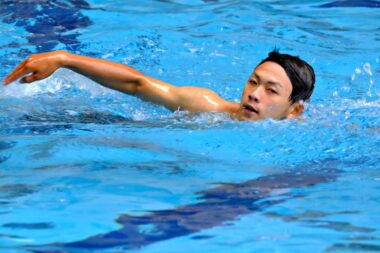

Improving Stroke Techniques Through Swimming Lessons
Swimming lessons are essential for anyone looking to enhance their stroke techniques. Mastering stroke techniques not only increases efficiency in the water but also fosters greater enjoyment of this physical activity. When attending swimming lessons, swimmers learn the foundations of proper form and body positioning. In structured classes, instructors provide feedback, helping individuals identify areas for improvement. Instruction focuses on several key techniques, including the freestyle stroke, backstroke, breaststroke, and butterfly. Each stroke has unique mechanics that require specific training methods. Instructors often utilize drills tailored to target these individual techniques, offering swimmers the chance to practice and perfect each movement. One of the benefits of structured lessons is that they can help students build confidence in their swimming abilities. Consistent practice leads to muscle memory, allowing swimmers to execute strokes more fluidly. Improved stroke technique leads to faster swim times and reduced energy expenditure. Additionally, lessons often incorporate endurance training, progressing swimmers toward long-distance swimming capabilities. Overall, investing time in swimming lessons can significantly enhance personal performance and skill in this enjoyable sport.
One vital component of effective swimming lessons is the focus on body alignment and movement. Proper body alignment affects not only stroke efficiency but safety in the water. Instructors emphasize maintaining a horizontal body position to minimize drag while swimming. A streamlined body position allows swimmers to glide through the water with minimal resistance. During lessons, swimmers practice drills that promote strong core engagement, emphasizing how the body pivots and rotates during strokes. Instructors often highlight the importance of kicking, using exercises to ensure the legs provide propulsion without creating excessive splash. Additionally, drills may include using kickboards to isolate the legs’ motion, fostering greater awareness of the legs’ role in the stroke. The relationship between kick strength and overall stroke technique cannot be understated, as a powerful kick can enhance speed. Further, swimmers learn to coordinate their arm movements with their breathing patterns, balancing their strokes in rhythm. Improved breathing technique is vital for efficient swimming and prevents strain. This balanced approach ensures consistent improvement for swimmers at all levels, enabling them to gain mastery over their strokes.
Practicing Drills for Improvement
Another integral part of swimming lessons is the incorporation of various drills aimed at refining specific stroke techniques. Practicing drills helps swimmers break down their strokes into manageable components, offering a clear path to improvement. Common drills include one-arm freestyle and catch-up drills, focusing on specific arm movements to enhance stroke efficiency. Coaches often introduce these drills gradually to allow swimmers to develop muscle memory over time. Additionally, swimmers may practice bilateral breathing to ensure balanced development, promoting symmetry in their strokes. These drills help build endurance in addition to improving stroke accuracy, offering physical benefits alongside technical skill enhancements. By focusing on individual stroke elements, lessons foster significant growth in overall swimming ability. Swimmers also receive more personalized feedback on their performance, highlighting areas that need work. Lessons forge a sense of community among participants as they share progress and motivate one another. Moreover, individual attention from instructors ensures that swimmers are addressing their unique challenges in the water. This combination of camaraderie and tailored instruction propels each swimmer toward reaching their personal goals effectively.
In addition to stroke improvement, swimming lessons emphasize the importance of safety in water. Knowing how to perform different strokes efficiently is important, but so is understanding water safety protocols. Swimming instructors incorporate lessons on recognizing potential hazards in swimming environments, teaching students how to respond to emergencies. It is critical for swimmers to learn how to stay safe while training and enjoying the water. Having a solid understanding of water safety ensures not only the individual’s safety but also those around them. As part of water safety education, instructors may teach valuable skills like treading water effectively and performing basic rescues. These lessons help build resiliency and confidence in swimmers. Furthermore, swim lessons ensure that participants understand the importance of using proper equipment and attire. Assessing factors like weather conditions and recognizing when water activities may not be safe are equally emphasized. Equipping swimmers with the knowledge and skills to respond appropriately to varying circumstances is critical. The incorporation of water safety education into swimming lessons creates well-rounded swimmers who appreciate both swimming proficiency and safety.
Choosing the Right Class and Instructor
Selecting the right swimming class and instructor plays a significant role in achieving effective stroke improvement. A qualified instructor possesses the knowledge and experience necessary to deliver tailored lessons that meet individual needs. When searching for a suitable class, swimmers should evaluate factors such as class size and lesson structure. Smaller class sizes typically allow for more personalized attention and feedback, enhancing the overall learning experience. Prospective swimmers should also consider instructors’ teaching styles and qualifications, as a well-versed coach will have a repertoire of techniques to improve stroke methods effectively. A positive environment fosters better student performance and results. Reviews or recommendations from other swimmers can provide valuable insights into suitable classes. Moreover, engaging in trial lessons can aid in determining compatibility with specific instructors. Participation in various classes allows swimmers to experience different teaching styles, ultimately leading to better choices for future lessons. Swimmers should feel comfortable and motivated to improve their skills within the class. A supportive atmosphere encourages individual progress, which is key to mastering stroke techniques as one continues their swimming journey.
As swimmers advance through lessons, they often seek opportunities to participate in competitions. Competitions can aid in showcasing the improvement achieved through focused swimming lessons and intensive training. Engaging in swim meets raises the stakes, challenging swimmers to apply their refined strokes in a competitive setting. This culmination of skills encourages individuals to push their limits, enhancing resilience and instilling a sense of achievement. Competitions also emphasize the importance of teamwork and camaraderie among swimmers, uniting participants under a shared goal. Furthermore, gaining experience in competitive events nurtures skills such as time management, goal-setting, and commitment, extending benefits beyond the pool. Participating in meets allows swimmers to see their progress against others and learn from their experiences. Coaches can help refine stroke techniques as competitions approach, providing targeted advice to optimize performance under pressure. This fine-tuning is important for translating practice improvements into competitive success. Ultimately, swimming competitions can serve as a motivational tool, inspiring students to continue pursuing excellence and refining their stroke techniques. Athletes often find personal fulfillment in their competitive journey, celebrating each milestone achieved along the way.
The Lifelong Benefits of Swimming Lessons
Engaging in swimming lessons provides numerous lifelong benefits that extend beyond stroke improvement. Swimming is a low-impact activity beneficial for cardiovascular health, enhancing overall fitness levels. Regular swimming fosters strength, flexibility, and endurance, contributing to an active lifestyle. Additionally, learning essential swim techniques offers practical skills for safety during water activities throughout life. Developing proficiency in swimming can empower individuals during vacations or social gatherings at pools or beaches. Furthermore, swimming lessons can instill a lifelong love for the sport, encouraging individuals to explore various aquatic activities or join clubs. Building connections with fellow enthusiasts and participating in group swim sessions provides social benefits that improve mental health and well-being. Learning to swim also promotes stress relief, as being in water can be therapeutic. Through lessons, swimmers are also taught skills related to water rescue and first aid, which can be invaluable in emergencies. Ultimately, the investment in swimming lessons yields rewards through both physical and emotional well-being, opening doors to new experiences and lifelong enjoyment of this beneficial fitness activity.
In conclusion, swimming lessons play a crucial role in improving stroke techniques while offering extensive benefits. The various components of instruction focus on proper technique, form, safety, and competitive skills that shape proficient swimmers. Personalized attention during lessons allows participants to gain insights and overcome challenges in their swimming journey. Additionally, lessons foster a community spirit that motivates progress and encourages collaboration among students. By incorporating drills, safety education, and competitive opportunities, swimming lessons provide a holistic approach that supports a swimmer’s development. Ultimately, the benefits of enhanced stroke performance extend into lifelong fitness and well-being. Swimmers reap the rewards of persistence and dedication through the consistent practice and targeted training found in focused lessons. Understanding the significance of individualized instruction empowers swimmers to refine their skills and achieve their goals. The distinct enjoyment of swimming fosters an appreciation for water-based activities that remains with individuals throughout their lives. Investing in swimming lessons not only strengthens the body but also builds confidence, resilience, and a sense of accomplishment associated with mastering the art of swimming.