
How to Photograph Triathletes During the Swim Portion
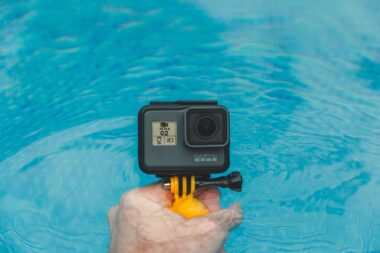
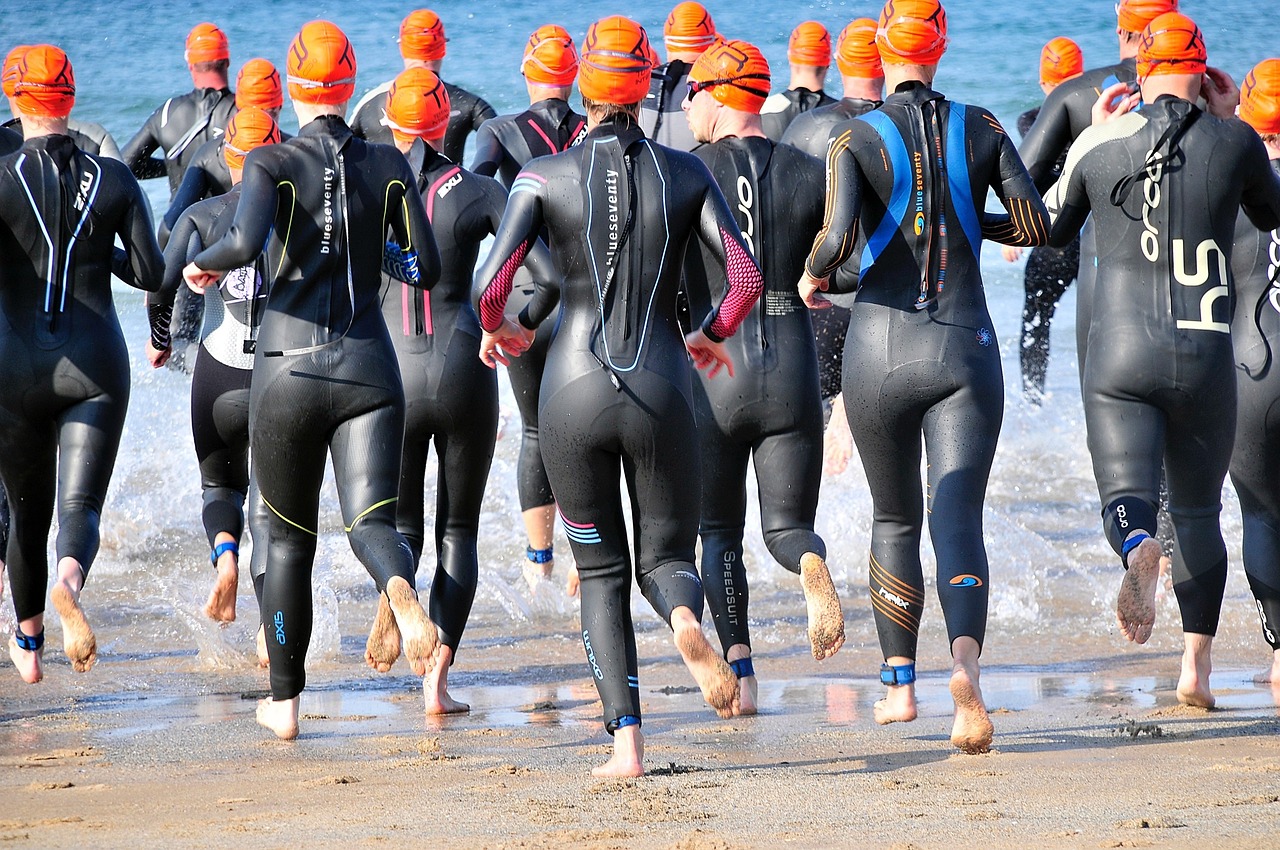
Photographing triathletes during the swim portion can be both thrilling and challenging. First, understanding your equipment is essential. Start with a camera that can handle rapid movements and varying light conditions typical of swimming events. A zoom lens, preferably a telephoto lens, is crucial as it allows you to capture close-up shots from a distance. Additionally, waterproof camera accessories can help protect your gear in wet environments. Positioning is also a major factor. Observing the starting point before athletes enter the water can yield dynamic images of the excitement and anticipation. Moreover, capturing their entry into the water is important. As the race progresses, take advantage of an elevated position such as a bridge or hillside to shoot above the swimmers. Utilize a fast shutter speed to freeze the action, showcasing their determined expressions and splashing water. Remember to adjust your settings to accommodate changes in light, as they might vary in open waters, especially during sunrise or sunset. A strong focus on composition, maintaining the horizon level, will result in a more visually appealing shot that encapsulates the effort and thrill of the triathlon.
Additionally, capturing the emotion of triathletes is key to compelling photographs. As athletes compete, their expressions tell stories of both determination and exhaustion. Use continuous shooting mode to increase your chance of catching that perfect moment. Consider focusing on individual swimmers as they emerge from the water or compete in their transition to the next segment. This can add a personal touch to your images, highlighting their journey and struggles. Timing is critical as well; practice anticipating the athletes’ movements, as this will help you frame your shots better. In locations where you have limited access, use strategic angles to capture dynamic images. Low-angle shots can give a powerful perspective, while shots from behind can highlight the intensity of the competition. Experiment with various perspectives and composition techniques. Depth of field can be your ally; using a shallow depth to blur the background while sharpening the swimmers can draw attention to the action. Additionally, be there early to scout for the best locations, ensuring that you can adapt quickly to the conditions as they change throughout the event.
Utilizing Natural Light
Natural light plays a crucial role in photography, especially during outdoor events like triathlons. To maximize lighting conditions, familiarize yourself with the course layout, which will help you anticipate where the light will be in relation to the swimmers. Early morning or late afternoon provides soft, golden hues, creating a more magical atmosphere. Conversely, harsh midday sun can lead to deep shadows and highlight loss, so preparing to compensate for harsh lighting is beneficial. If the day is clouded, the even light may be more forgiving. Consider utilizing reflectors to bounce light onto subjects if necessary. Additionally, being aware of the sun’s position allows you to choose optimal times to shoot from different angles. Even during challenging lighting scenarios, adjusting your camera settings such as the ISO, aperture, and shutter speed can help achieve desired effects. Longitudinal shots can provide a view of the athlete battling against the waves. Avoid shooting into the sun, as it can cause silhouette effects, unless you’re trying to achieve a particular artistic vision. Always remember to frame carefully and analyze the interactions between light and your subjects for best results.
Alongside techniques, some insightful tips can enhance your photography experience at swim events. Staying mobile is a wise strategy, as it allows you to follow the action and respond to spontaneous moments. Practice beforehand to understand your camera’s automatic focusing capabilities to ensure quick adjustments. Use burst mode for action shots, where you can capture multiple images in rapid succession. This technique is invaluable for photographing swimmers during crucial moments, such as turns or exits from the water. Engaging with athletes by learning their stories can create a deeply personal connection, enhancing your storytelling and imagery. Developing rapport with participants can lead to more authentic images. Don’t hesitate to ask sports coordinators about course regulations and optimal shooting spots for photographers. Utilizing a waterproof camera cover may also lend peace of mind as you transition from land to the water’s edge. Lastly, always be prepared for unexpected changes. Weather can alter conditions quickly, and adjustment in techniques may be necessary. Keeping a flexible mindset helps you maximize opportunities for stunning captures even when plans shift unexpectedly.
Editing Your Photographs Post-Event
After the event, the work doesn’t end with just taking photographs; editing plays a vital role in achieving stunning images. Import your photos into a reliable editing software that enables color correction and cropping. Start with selecting images that stood out and conveyed emotion or drama. It’s important to strike a balance between enhancing vivid colors and maintaining a clean, realistic look to the images. Experiment with various filters and adjustments to contrast, as swimmers frequently require clear distinctions between subjects and backgrounds. Pay attention to sharpness; enhancing the focus on swimmers while ensuring the rest remains appropriately soft can direct viewers’ attention. Incorporate few finishing touches like adjusting exposure or using tools to remove distractions in the background. Consider adding your watermark to protect your work when sharing. Additionally, creating a cohesive series featuring the diverse dynamics of the event can be an attractive presentation for viewers. Once edited, share your portfolio through social media platforms or photography websites showcasing your skills to draw in potential clients. Consistently sharing unique perspectives will establish you in the niche of sports photography.
Engaging with your audience post-event is essential for building a network. Carefully consider presenting your photographs through an online gallery or a dedicated blog. It provides a platform to share stories behind the images, offering followers a deeper connection to the event. Collaborating with triathletes by tagging them in your images not only garners their interest but provides you with a broader outreach to their audience as well. Don’t forget to use appropriate hashtags related to the event and triathlon photography to enhance visibility. Analyzing feedback can guide future photo-shoot strategies. Always strive for continuous improvement through learning and practice. Engaging discussions regarding sports photography can foster connections, leading to unique opportunities. Attending planning meetings for events or networking with established sports photographers can provide insights into capturing more dynamic action shots. Additionally, seeking mentorship from experienced professionals in this realm can be invaluable. Remember the significance of patience during slow periods; consistent practice yields gradual improvement. Most importantly, relish the experience of capturing athletes and their journey while engaging with the vibrant community surrounding sports like triathlons.
Conclusion
In conclusion, photographing triathletes during the swim portion requires a blend of preparation, creativity, and adaptability. Successful sports photography hinges on understanding your equipment, techniques, and the interplay between athletes and their environment. Mastery of natural light and editing skills further elevates your final images, enhancing their appeal. Emphasizing the emotion and narratives behind each photograph creates a powerful connection with your audience, fostering deeper engagement. Each triathlon presents unique challenges and opportunities that can inspire your creativity. Close collaboration with athletes and event organizers can yield not only stunning photographs but also enriching experiences. Continually refining your skills through practice and networking will position you for growth and visibility within this niche. Remember that every shot tells a story, preserving athletes’ courage, strength, and perseverance. Growth in this field takes time and requires persistence, vision, and passion for capturing those compelling moments. By strategizing your photography approach and embracing feedback, you can significantly contribute to the evolving landscape of sports photography. Ultimately, allow your enthusiasm for the craft to shine through your work, and you will thrive in this rewarding arena.
Don’t forget the importance of networking in this competitive field. Making connections with other photographers, as well as coaches and athletes, can lead to more opportunities to shoot, access to events, and even referrals. Joining photography groups, both online and offline, will help you learn new techniques and stay updated on industry trends. Social media can also be a powerful tool for exposure; regularly sharing your work may attract attention from sponsors, media outlets, and athletics organizations. When promoting your work, ensure it is presented professionally, with portfolios showcasing your best shots. Engage actively in discussions related to sports photography on platforms such as Facebook or Instagram, and don’t hesitate to ask for tips from experienced photographers. Attend workshops or seminars focused on sports photography to improve your skills and meet like-minded creatives. Emphasize personal branding by establishing a recognizable style that distinguishes you from others, helping you make a lasting impression. Finally, enjoy the camaraderie of fellow photographers and athletes as you grow; it’s an integral part of the journey and will enrich your experience.