
Common Mistakes in Breath Control and How to Avoid Them
Breath control is a fundamental aspect of yoga practice, yet many practitioners make mistakes. One common mistake is confusing shallow breathing for effective breath control. As you perform various yoga asanas, ensure that your breath moves deeply into your diaphragm. This increases oxygen intake and promotes relaxation. To avoid shallow breathing, focus on inhaling through the nose, allowing the abdomen to expand. Next, control your exhalation, fully releasing air through your mouth or nose. This technique fosters a deeper mind-body connection. Another common mistake is holding your breath during challenging poses, which can lead to tension in the body. When you feel strain, maintain a steady breath to ease muscle tightness. Remember to follow the rhythm of your breath as you transition between poses. You might find it helpful to practice pranayama techniques, which emphasize breath awareness and regulation. Practicing these techniques regularly will cultivate ongoing awareness in your yoga practice. Make it a habit to observe how your breath affects your movements and emotions, fostering a deeper understanding of breath control in yoga.
Another mistake often seen in students is a lack of focus on the exhale. Proper breath control requires equal attention to both inhalation and exhalation. Many practitioners inhale deeply but neglect to fully exhale, leaving stale air in the lungs. This can lead to feelings of dizziness or anxiety during practice. To correct this, consciously engage your diaphragm and abdominal muscles as you exhale. Focus on making your breath as long and smooth as possible, matching the pacing with your movements. A longer exhale not only clears out carbon dioxide but also relaxes the mind, grounding you into the present moment. Experiment with different exhalation techniques such as ‘ujjayi’ or ocean breath. These techniques provide consistent sound and rhythm, helping enhance your focus. Understanding the relationship between inhalation and exhalation helps reinforce a balanced breathing pattern. In exploring breath control, you empower yourself to dive deeper into yoga postures without strain. Remember, it’s essential to practice breath control regularly to build muscle memory and awareness. Consistency is key for improvement in your yoga journey.
Understanding Breath Patterns
Awareness of breath patterns is crucial in effective yoga practice. Many practitioners fail to recognize the role of their natural breath, resulting in improper techniques. Observing your breath patterns throughout each position can highlight areas needing improvement. Pay attention to whether your breath remains consistent or becomes erratic as you move. Practicing in front of a mirror or recording your sessions can provide insights into how breath and movement are synchronized. Aim to inhale and exhale through the nose without any audible sounds. This promotes a calming environment that encourages focus during practice. Incorporating breath-focused meditation before your yoga session can establish a mindful attitude. Once you are aware of your breathing patterns, you can better approach poses with intention. Aligning breath with movement enhances overall strength and flexibility. When tension arises in difficult poses, notice how your breath is affected. Is it shortening or getting caught? Realizing this can help you reestablish smoother breath through deliberate inhalations and elongated exhalations. Practicing mindfulness in breath and movement allows for an elevated yoga experience.
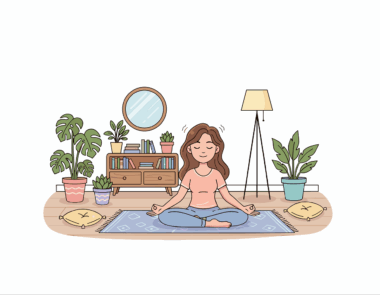
The environment where you practice yoga can also impact breath control. Many practitioners overlook the importance of their surroundings, leading to distractions or shallow breathing. Creating a calm, nurturing space facilitates smoother practice and deeper breathing. Ensure your area is free from interruptions and maintain a comfortable temperature. Soft lighting and ambient sounds can enhance relaxation, making breath control more achievable. Additionally, consider the impact of posture on breath. Slumped or collapsed postures restrict lung capacity and hinder effective breath flow. Focus on maintaining a tall spine and aligned posture during practice. Practicing in a seated or standing position with feet grounded helps stabilize your foundation and promotes a more open chest. Another element that influences breath control is your mindset. Emotions such as anxiety or stress can lead to constricted breaths. Prioritize relaxation techniques, such as visualization or mindfulness, to shift your mental state. Maintaining a positive and relaxed mindset creates space for smoother and more mindful breath. Cultivating an optimal environment will significantly enhance your ability to maintain effective breath control throughout each yoga session.
The Role of Pranayama
Incorporating pranayama techniques creates a significant advantage in breath control. This ancient practice emphasizes conscious regulation of breath, which complements various yoga postures. By dedicating time to pranayama, you cultivate a profound mastery of your breath. Start with simple techniques like ‘nadi shodhana,’ which channels energy and promotes balance through alternate nostril breathing. Reflect on how pranayama enhances your breath during yoga practice. This technique can help calm the mind, preparing your body for optimal movement. In addition, incorporate duration techniques like extending the breath. Try slowly increasing the length of inhalation and exhalation while maintaining control. This builds resilience and prepares you for longer sessions while advancing to more challenging asanas. Regular practice of these techniques allows you to explore and enhance your breath effortlessly. The power of pranayama teaches you awareness of breath-related sensations, fostering a deeper connection to your body’s responses. Engage in pranayama outside of yoga sessions, too, as it establishes breath awareness in your daily life. Ultimately, pranayama serves as a tool to navigate breathing missteps during your yoga journey.
When considering how to avoid common mistakes in breath control, learning to listen to your body is essential. Each individual carries unique breath patterns influenced by personal experiences and emotions. Tune into how your breath naturally fluctuates throughout your yoga practice, recognizing when additional focus is needed. Understanding your body’s signals is key to preventing breath difficulties. If you notice your breath becoming shallow or erratic, pause and reconnect with your breath. Implementing mindful breathing moments can significantly enhance awareness in challenging situations. With practice, you’ll recognize how various emotions impact your breath, allowing you to adapt more consciously. If frustration arises, take a moment to reset your breath. Establish a rhythm that feels natural and sustainable. This self-inquiry fosters a strong connection between mind and body. Assign time for restorative poses where you focus entirely on breath, creating a foundation for effective breath control. Document your yoga sessions and reflections to uncover repeated patterns, mistakes, and areas for growth. This feedback can guide future practice and highlight your journey. Through consistent self-reflection and awareness, you can refine breath control and enhance your overall yoga experience.
Conclusion
In conclusion, mastering breath control in yoga requires awareness, practice, and a willingness to learn from mistakes. Recognize common pitfalls such as shallow breathing and breath retention. By addressing these areas systematically, you can elevate your yoga practice significantly. Additionally, consider environmental factors, individual breath patterns, and the essential incorporation of pranayama techniques. Strive for a balanced approach to inhalation and exhalation, focusing on their impact on your physical and mental state. Engaging with breath on a deeper level promotes relaxation, strength, and focus. Create a serene practice space that is conducive to mindfulness and effective breath regulation. Keeping a journal of your yoga sessions allows for ongoing reflection, ultimately fostering improvement. Keep in mind that breathing techniques are lifelong skills to enhance both practice and daily life. Embrace the intrinsic connection between yoga and breath control, as it cultivates a holistic well-being experience. Mastery occurs over time; patience and commitment are key. As you evolve in this journey, nurturing your breath influences not only your yoga practice but also your overall life. Explore, practice, and enjoy the journey of breath control in yoga.