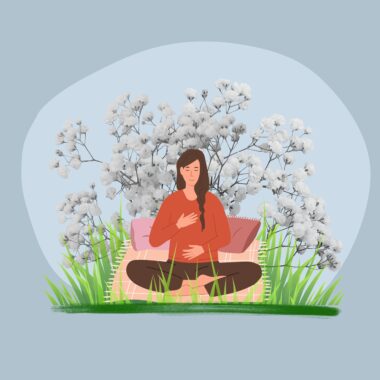

Breathing and Posture: How They’re Interlinked
Breathing techniques play a crucial role in enhancing posture, often overlooked in discussions of health and wellness. Correct posture contributes to overall physical health and mental well-being. When breathing deeply and effectively, the diaphragm engages, offering support to the spine. This supports the body’s natural curvature and reduces strain on various muscle groups. Poor posture can lead to numerous health issues, including chronic pain and fatigue, emphasizing the importance of good posture. Additionally, when you breathe correctly, it correlates with applying abdominal muscles effectively. This helps maintain the alignment of the spine and its surrounding muscles. Integrating breathing techniques into regular practice could lead to more significant awareness of body alignment. Awareness is essential for individuals hoping to improve their posture in both sitting and standing positions. As we learn to be mindful of our breathing patterns, we simultaneously become conscious of our body’s alignment. In turn, this encourages not only better posture but can reduce fatigue and promote energy. Overall, understanding the role of breath aids in realizing the full potential of healthy posture.
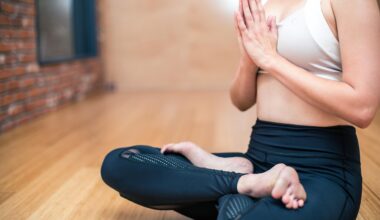
Exploring the connection between breathing and posture reveals plenty of techniques that can be applied effortlessly. Practices including diaphragmatic breathing or abdominal breathing provide means for enhancing core stability and strength. When breath control is mastered, individuals can support their posture throughout the day. For example, engaging in targeted breathing exercises during yoga or pilates strengthens the torso while emphasizing spinal alignment. Furthermore, in day-to-day life, pausing to inhale deeply helps prompt adjustments to posture. One can transform a slumped posture into a more upright one simply by engaging the diaphragm correctly. Regular integration of breathing exercises into a daily routine can result in improved awareness of one’s posture. Simple adjustments while sitting or standing can easily be initiated through proper breathing. Additionally, deep breathing promotes relaxation which can combat stress, a common cause of tension and poor posture. Practicing these techniques can encourage not only physical improvements but also emotional benefits. By establishing a breathing routine alongside posture awareness, individuals may enhance their overall quality of life remarkably. Thus, recognizing the synergy between breathing and good posture becomes essential for lasting well-being.
Benefits of Proper Breathing Techniques
Proper breathing techniques offer numerous benefits that extend beyond mere relaxation. They help to oxygenate the body efficiently, thereby improving energy levels. This enhanced energy enables better performance in daily activities, whether it’s physical exercise or simple tasks. Additionally, effective breathing contributes to increased lung capacity, which promotes efficient oxygen exchange within the body. Improved lung function, in turn, can enhance overall cardiovascular health. By delivering oxygen-rich blood to vital organs, one can experience improved cognitive function. This cognitive clarity effects a positive influence on mood and concentration levels. Moreover, engaging in mindful breathing practices can mitigate feelings of anxiety and stress. Stress is often associated with tension in the neck and shoulders, negatively influencing posture. By adopting breathing techniques, one can alleviate such tension and promote alignment in the body. This supports a more relaxed state which contributes to maintaining proper posture. Regular practice can also develop greater self-awareness regarding physical presence. Thus, integrating proper breathing techniques in daily life can lead to comprehensive well-being. Attention to breath allows individuals to cultivate harmony between body and mind throughout various activities.
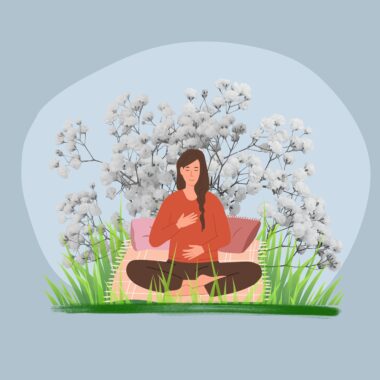
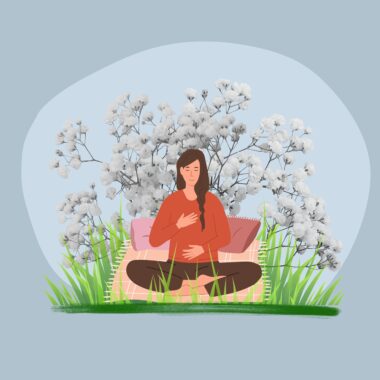
Incorporating specific breathing exercises into your routine can optimize posture. One effective method is the 4-7-8 technique, which combines deep inhalation with rhythmic exhalation to promote relaxation. To practice this, inhale through the nose for four counts, hold for seven counts, and exhale through the mouth for eight counts. Repeating this sequence fosters mindfulness, helping align your body instinctively. Another beneficial practice is to engage in diaphragmatic breathing. This technique encourages deeper breaths, activating the diaphragm and supporting the spine. To do this, sit or lie comfortably, placing a hand on the abdomen. Inhale deeply through the nose, feeling the belly rise, then exhale slowly. Other techniques, such as box breathing, emphasize equal intervals of inhalation, retention, and exhalation. Creating a rhythm through this method enhances focus while simultaneously relaxing posture. Finally, using deep breathing exercises during stretching could enhance flexibility by allowing deeper muscle relaxation. Incorporating these techniques into your daily routine promotes a natural awareness of posture and breathing, resulting in improved body alignment at rest and during various activities.
Reinforcing Good Habits
Establishing good habits that reinforce effective breathing and posture is essential. Frequent reminders throughout the day can help maintain alignment and breathing awareness. You might consider setting timers or notifications on your phone to encourage mindfulness breaks. During these moments, focus on taking deep breaths and adjusting your posture. Additionally, integrating regular physical activities such as yoga or Pilates into your routine can help reinforce these habits. These practices not only improve flexibility but also advance your understanding of breath control in conjunction with body positioning. Moreover, being mindful when seated, especially for prolonged periods, can assist in improving awareness. Examine your surroundings and make necessary adjustments to your workspace to ensure proper alignment. You may further benefit from using ergonomic furniture that encourages better posture. Utilizing tools designed for optimal posture, such as lumbar support cushions, can enhance comfort when sitting. If possible, standing desks may also provide flexibility to change positions and foster good posture. Gradually creating these essential habits can lead to major improvements in both posture and breathing effectiveness. Over time, these adjustments will have positive effects on overall well-being.
Another important aspect influencing posture is physical activity alongside breathing techniques. Engaging in regular exercise helps strengthen muscles that support proper alignment. Incorporating strength training exercises such as planks, bridges, and core strengthening moves directly benefitting postural health is essential. Maintaining core strength is particularly crucial as it directly correlates with the control of spinal alignment. Integrating flexibility and stability activities such as yoga can greatly complement strength training exercises. Yoga emphasizes breath control while stretching and strengthening muscles. This way, you develop not only physical strength but also a strong sense of body awareness. In fact, as one learns to synchronize breath with movement, posture improves significantly. Walking or jogging while focusing on breathing patterns can further enhance stability and posture. The rhythmic nature of these movements promotes natural alignment in the body. Additionally, participating in group workout classes can foster a sense of community while promoting accountability. Gradually, this creates lasting habits that encourage a healthier lifestyle. Such dedication to overall fitness coupled with breath techniques leads to improvements in both posture and health over time.
Conclusion
In conclusion, the connection between breathing techniques and posture is undeniable. Effective breathing not only enhances alignment but also supports mental clarity and emotional stability. By consistently incorporating breathing exercises into daily life, individuals can cultivate greater awareness of their posture and overall health. Practicing deep diaphragmatic breathing alongside core-strengthening movements establishes a strong foundation for optimal posture. Additionally, being mindful of habits such as regular physical activity enriches this connection between body and breath. As awareness grows, minor adjustments in posture can lead to lasting benefits. By adopting these practices, one can combat the negative implications of poor posture while promoting energy, confidence, and well-being. To obtain these improvements, individuals must stay committed to their practice. Emphasizing the importance of establishing a routine centered around breathing and posture will ultimately shape a better quality of life. As the journey unfolds, the progress witnessed becomes a powerful testament to the significant benefits realized through the merging of effective breathing with proper body alignment. Thus, everyone can significantly enhance their physical presence by taking deep breaths and standing tall.
Through education on breathing and its relationship with posture, individuals empower themselves to enhance their daily lives. The practice not only leads to improved physical health, but also enhances mental well-being. As knowledge spreads about these techniques, the overall population becomes more aware of how to adjust daily life effectively. Recognizing the role of breath in influencing posture encourages a change in lifestyle. Embracing deep breathing habits can lead to mindfully adopting a healthier posture in everyday activities, helping with overall presence. With practice, combining these techniques can transform energy levels, reduce stress, and foster a greater sense of harmony within oneself. In further analyzing how crucial breathing habits are for promoting good posture, attention must be given to how they affect everyday interactions. By consciously choosing to breathe deeply and maintain alignment, individuals can model healthy behaviors for others. This creates a ripple effect within communities, promoting collective well-being. Incorporating targeted exercises and mindfulness practices into available routines can enhance the understanding of the connection between breath and body. With time, these adjustments become second nature. Ultimately, breathing and posture are intertwined elements of living a healthier, balanced life.