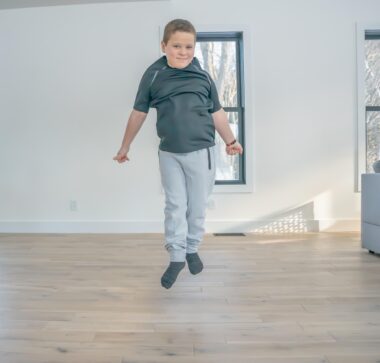

Adapting Fitness Routines for Different Age Groups in Youth Training
In the realm of youth fitness, the role of coaches and trainers becomes pivotal in shaping healthy habits and promoting physical activity. Different age groups present unique physiological and psychological characteristics that influence their fitness needs. Coaches must understand these differences to design effective training programs. Younger children typically respond positively to play-based activities, emphasizing fun and engagement. As they transition into adolescence, the focus should gradually shift towards more structured training. Individual goals and preferences often arise in teens, necessitating tailored approaches. Understanding developmental milestones helps trainers create age-appropriate routines that prioritize skill development, strength enhancement, and injury prevention. Additionally, trainers should foster a supportive environment, encouraging participation through positive reinforcement. A well-structured program promotes confidence and engagement in physical activity. Coaches should prioritize communication, ensuring that young athletes feel comfortable expressing their interests and fears in sports and fitness. Their role extends beyond instruction; they inspire and motivate young individuals to lead healthier lifestyles, integrating fitness into daily routines and emphasizing its numerous benefits. Balancing these factors guarantees a comprehensive approach to youth fitness training that is inclusive and effective.
The importance of safe training practices cannot be overstated for young athletes who participate in fitness routines. Trainers and coaches hold the responsibility of ensuring that age-appropriate activities are safe for children and adolescents. This begins with an assessment of each individual’s physical capabilities tailored to their developmental stage. Coaches must provide proper coaching on techniques, ensuring exercises are done with correct form to minimize injury risk. Establishing clear rules and guidelines for participation can help cultivate a respectful and safe training atmosphere. Moreover, emphasizing the significance of proper warm-up and cool-down routines is crucial in preventing injuries. Coaches should integrate flexibility, strength, and endurance training into their programs to enhance overall fitness safely. Regular evaluations can help track progress and adjust the training plans accordingly. In addition, trainers should highlight the importance of hydration and nutrition, as these elements greatly contribute to performance and recovery. By creating a comprehensive safety net around the training regimen, coaches not only focus on achievement but can also foster a culture where young athletes understand the value of taking care of their bodies and respecting their limits, creating sustainable habits.
The Psychological Aspect of Youth Fitness
Addressing the psychological aspect of youth fitness is essential in cultivating a lifelong commitment to healthy living. Coaches need to recognize that self-esteem and body image play critical roles in how young individuals interact with fitness activities. Engaging with youth on their emotional levels means enabling them to develop a positive relationship with exercise and their bodies. Coaches should create an inclusive atmosphere where every child feels valued, regardless of their fitness level or athletic ability. Establishing achievable goals promotes feelings of success and motivates young athletes to persist. Implementing cooperative team-building activities can enhance social skills while conveying the importance of teamwork and support. Additionally, coaches should encourage a growth mindset, emphasizing effort and resilience over mere outcomes. Providing constructive feedback fosters an environment where young athletes learn to embrace challenges without fear of failure. Incorporating mindfulness practices in training may also contribute positively, helping youth learn to manage stress and anxiety through physical activity. By integrating these aspects into their training approach, coaches and trainers empower youth to navigate their fitness journeys with confidence and self-awareness.
Nutrition plays an integral role in youth fitness, necessitating that coaches become knowledgeable about dietary guidelines for various age groups. Trainers should educate young athletes on the importance of balanced nutrition while providing guidance on hydrating appropriately before, during, and after activities. Encouraging healthy eating habits is essential, as nutritional choices can significantly affect performance, recovery, and overall health in youths. Coaches should involve parents and guardians in discussions surrounding nutrition, promoting home-based reinforcement of healthy habits. Meal planning workshops or cooking sessions can offer practical support for families, encouraging them to prepare nutritious meals together. Additionally, trainers must consider the diverse cultures and preferences of young athletes when discussing nutrition, ensuring that advice is inclusive and respectful. Emphasizing the importance of moderation and understanding food labels can enhance children’s nutritional literacy. Encouraging young athletes to connect how their dietary choices contribute to their physical goals empowers them to take charge of their health. Ultimately, by incorporating nutrition education into their training programs, coaches play a crucial role in nurturing well-rounded, informed participants who appreciate the interplay between fitness and nutrition.
Incorporation of Technology in Youth Training
Embracing technology has transformed youth training, allowing coaches to deliver more personalized and flexible fitness programs. The use of fitness applications and tracking devices provide valuable data that can help trainers monitor progress and adapt routines. Young athletes can benefit from tailored feedback and performance analytics that encourage engagement and accountability. Utilizing virtual training sessions also enables participation, especially for those who might be hesitant to engage in group settings. Coaches must adapt to digital communication with their athletes, leveraging social media and interactive platforms to keep participants motivated. Incorporating online resources for educational materials related to fitness and health can empower young athletes to take responsibility for their training. Furthermore, trainers should ensure that technology is used to enhance, rather than replace, personal interactions and focus on fostering a connection. Despite the modernization of training techniques, the importance of human connection remains paramount. Coaches are encouraged to blend technology with traditional practices for a balanced approach to training. By integrating technology thoughtfully, fitness programs can remain relevant while enhancing both motivation and effectiveness for youth athletes.
Engaging parents and guardians in the fitness journey of youth is vital for the success of any training program. Coaches and trainers should communicate regularly with parents to provide updates on progress and outline ways to support their child’s fitness goals at home. Organizing informative workshops that cover topics such as fitness education, nutrition, and safe play can nurture a supportive community around young athletes. Encouraging active participation from parents during training sessions can foster stronger bonds and promote a consistent routine. Additionally, trainers may establish a feedback mechanism to gather insights from parents on their child’s experience, ensuring continuous improvement in training delivery. Creating a family-oriented culture surrounding fitness highlights the benefits of physical activity as a shared experience. Regularly engaging families in celebratory events or fitness challenges can further enhance motivation and strengthen community ties. Ultimately, the active involvement of families in youth fitness programs leads to a more sustainable approach, where children are encouraged and supported in their health journeys. By bridging the gap between training facilities and home environments, coaches can empower youth and cultivate a culture that values fitness and wellness collectively.
Conclusion and Future Directions
In conclusion, the role of coaches and trainers is paramount in shaping fitness routines for youth across various age groups. Their ability to adapt training methods, considering the unique needs of different developmental stages, contributes to the long-term success of young athletes. By incorporating safety practices, psychological understanding, nutrition education, and technology into training sessions, coaches can create enriching experiences that promote health and fitness. Furthermore, involving parents fosters a supportive network, enhancing motivation and commitment among young participants. As the landscape of youth fitness evolves, continual education for coaches becomes crucial, ensuring they remain informed about the latest advancements and best practices in training. Future directions may include increased emphasis on mental health, recovery practices, and community engagement in youth fitness programs. By prioritizing these aspects, trainers can empower young athletes not only to excel in their physical endeavors but also to develop a positive mindset toward fitness and health throughout their lives. As this journey continues, collaboration, innovation, and a commitment to nurturing the potential of youth through fitness will remain essential in fostering a generation that values healthy living.
,”permissions”: