
Using Foam Rolling and Myofascial Release to Keep Injury-Free in Bootcamp
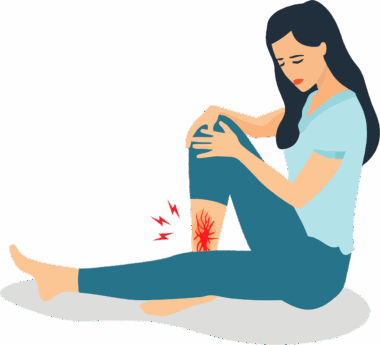
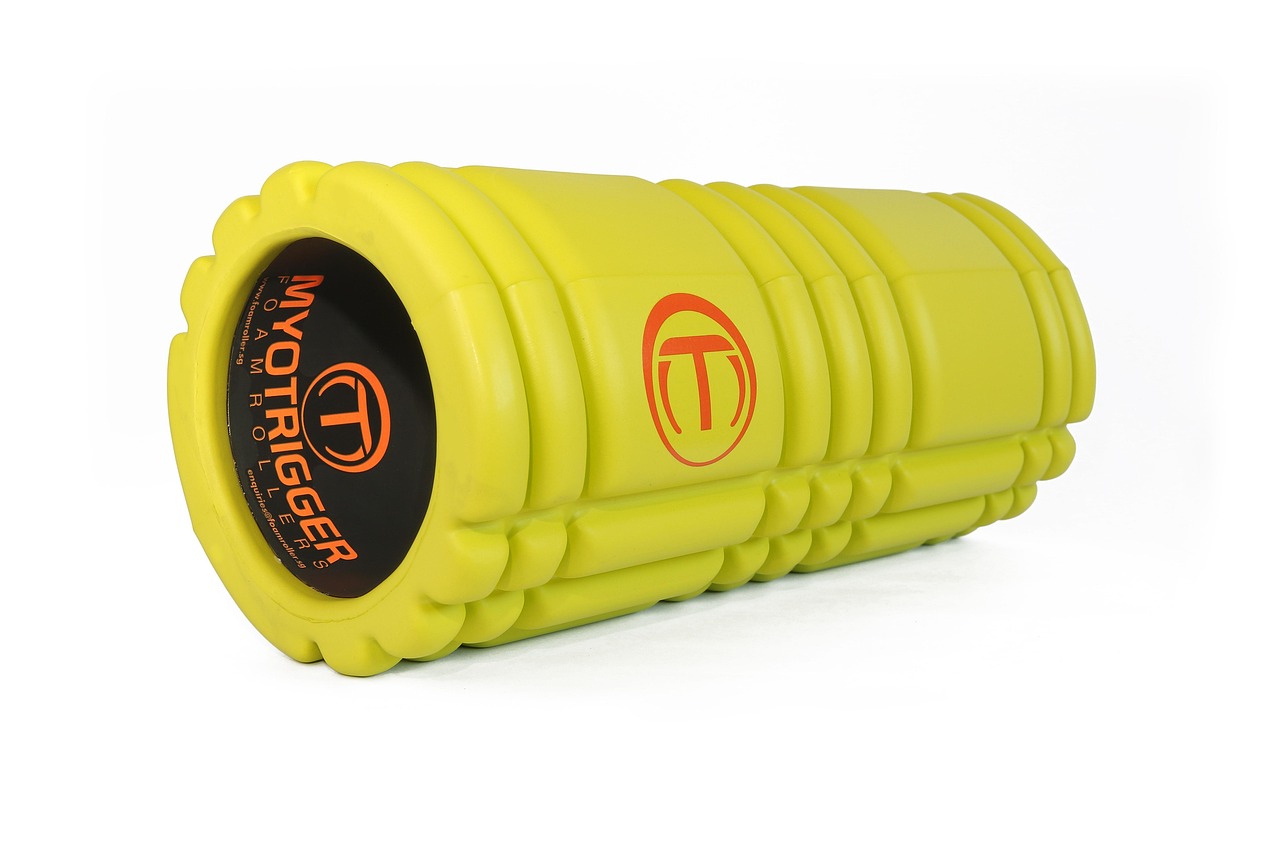
Bootcamp training offers high-intensity workouts that can lead to muscle soreness and potential injuries. To prevent this, foam rolling and myofascial release (MFR) techniques can be extremely beneficial. These methods help in breaking down muscle knots, improving flexibility, and facilitating recovery. When conducted regularly, foam rolling aids in enhancing overall muscle performance, leading to better workout efficiency. Notably, foam rollers provide a convenient and effective method for self-myofascial release. This means it boosts blood circulation while also relaxing tight muscles that often get stressed during intense bootcamp sessions. Implementing these practices can notably contribute to a smoother training experience. Participants should consider allocating dedicated time to these techniques before and after their workouts. This will prepare their muscles for the strenuous activities ahead and also help in post-workout recovery. Regular foam rolling promotes improved mobility and prevents the onset of injuries, thus making attendees more resilient in their bootcamp regimen. Moreover, incorporating foam rolling into daily routines can be beneficial for all fitness levels, ensuring everyone can progress without the burden of injuries.
Understanding myofascial release is key to effective injury prevention. This technique focuses on releasing tension in the fascia, the connective tissue surrounding muscles. When this tissue becomes tight, it can restrict movement and lead to discomfort. Through targeted MFR, typically performed with a foam roller or specialized massage balls, practitioners will find relief. By rolling over tight areas, individuals can alleviate pain and restore range of motion. Those engaged in bootcamp training often face repetitive movements that may lead to muscle imbalances. Addressing these imbalances through MFR is paramount to maintaining optimal physical performance. This therapy not only assists in the recovery process but also prepares muscles for future workouts. In this context, awareness of one’s body and understanding areas that require focus are crucial. Keeping track of how your body feels before and after exercises allows for more targeted foam rolling. It’s essential to listen to your body and adjust your rolling intensity accordingly. Ultimately, regular incorporation of these techniques fosters not only a greater enjoyment of bootcamps but also reduces the risk of debilitating injuries that can deter fitness goals.
The Benefits of Foam Rolling
Foam rolling brings myriad benefits to bootcamp enthusiasts, ranging from increased flexibility to enhanced recovery. Flexible muscles are crucial for effective performance, especially during dynamic exercises. Increased flexibility allows participants to perform movements with greater fluidity and reduced risk of injury. Furthermore, foam rolling significantly aids in muscle recovery post-exercise. By alleviating tightness and soreness, it encourages faster recovery times. A primary advantage is the ability to improve blood flow, providing muscles with oxygen and nutrients necessary for repair. Regular application of foam rolling after an intense bootcamp session can mitigate the risk of injuries by keeping muscles supple. Moreover, it acts as a pre-workout warm-up tool, preparing muscle groups for more strenuous exercises. Engaging in foam rolling not only ensures that muscles are prepared, but also helps in activating the neuromuscular pathways, thus enhancing strength and power output during workouts. The psychological benefits of incorporating such self-care routines should not be overlooked. Athletes often report a greater feeling of well-being and mental clarity when using foam rollers, making it an essential practice for those committed to their fitness journeys.
Proper technique plays a crucial role in effective foam rolling and myofascial release. Failing to utilize the correct techniques may not yield the desired benefits, and can even cause harm. To ensure efficacy, one should start by identifying tight areas through self-assessment. Once identified, the individual should spend adequate time applying gentle pressure using the foam roller. The application of pressure should be gradual and consistent, focusing on tender spots. Rolling for 30-60 seconds on these areas can significantly decrease muscle tension. Additionally, it’s important to remember to breathe deeply throughout the process, allowing muscles to relax more effectively. Essential to this practice is avoiding rolling over bony surfaces, as this could lead to injuries. Instead, focus on muscle groups and tender spots. Enlisting the guidance of a professional trainer may also enhance the learning process. Trainers can correct techniques and ensure proper approaches to rolling. Keeping a steady routine in foam rolling can be highly beneficial in integrating this practice into bootcamp training. Participants should make it a habit to include focused foam rolling sessions, ensuring optimal muscle health and performance.
Integrating Foam Rolling into Training
To maximize the positive effects of foam rolling and myofascial release, integration into daily training regimens is paramount. Participants should schedule dedicated sessions for rolling at least three to four times weekly. Pairing foam rolling with stretching can amplify benefits, creating a comprehensive recovery routine. Initiating with foam rolling and then transitioning into longer hold stretches can provide a more complete session. This dual approach encourages greater flexibility and muscle recovery. Also, integrating rolling into warm-ups provides enhanced range of motion before engaging in vigorous sessions. By including foam rolling as part of the pre-workout routine, participants can prevent many tight muscles from leading to injury. Post-exercise, spending time rolling can accelerate the recovery process, ensuring that the body heals effectively. Bootcamp trainers can also assist by including foam rolling drills in their classes. This helps instill the importance of these techniques among participants. Creating a culture of awareness around recovery and injury prevention is essential for long-term success in bootcamp programs. Therefore, establishing foam rolling as a non-negotiable aspect of training ensures a healthier and more enjoyable fitness experience.
Incorporating various tools alongside foam rollers can also enhance the effectiveness of myofascial release. Tools like massage sticks, lacrosse balls, and massage guns further target specific muscle groups, allowing for deeper work. They complement the practice of foam rolling and offer alternative methods to relieve tension. Using a lacrosse ball, for example, allows for concentrated pressure on particular knots that a foam roller might not reach. This way individuals can achieve a more comprehensive release of tension throughout their bodies. Additionally, massage sticks can be effective for athletes who prefer to roll out on-the-go. Having these tools accessible can motivate participants to maintain their routines. Trainers should encourage bootcamp participants to explore and invest in such recovery tools, educating them on their benefits. This knowledge contributes to optimizing post-exercise routines, creating a culture of recovery and self-care among bootcamp attendees. As awareness grows about various methods of muscle recovery and injury prevention, participants are likely to adapt these practices into their lifestyle. Emphasizing the integration of specialized tools can transform the outlook on personal fitness and recovery.
Maintaining Consistency for Lasting Relief
Consistency is key when practicing both foam rolling and myofascial release. Participants should commit to regular sessions rather than viewing it as a one-time activity. The cumulative effects of foam rolling accrue over time, making consistency essential for lasting improvements in flexibility and muscle performance. It becomes especially important during intense training periods like bootcamp. Establishing a routine that includes foam rolling helps ensure that muscle tension is continually managed. Individuals may choose to create a rolling schedule that fits their training sessions, allocating specific days for comprehensive rolling sessions. Additionally, tracking progress through a journal can enhance motivation and maintain commitment. Seeing improvements over time can serve as an encouragement to continue. Engaging in partner rolling sessions can also yield better results, facilitating group discussions on best practices. As consistency grows, attendees will feel more empowered in their routines. They will experience less discomfort, leading to a more profound commitment to their overall fitness. Ultimately, developing habits around recovery will prevent injuries and foster heightened performance levels within bootcamp training environments.
Listening to one’s body is essential when utilizing foam rolling techniques. Everyone’s experience with exercise and recovery varies, making personal awareness significant. Participants should pay attention to their body’s cues during rolling sessions, recognizing when continued pressure is too intense or when they are experiencing unnecessary pain. Instead of pushing through discomfort, individuals ought to adjust their techniques accordingly. This may include lightening the pressure or changing positions to better target specific muscle areas. Moreover, it’s vital to ensure ample hydration before and after foam rolling. Hydration aids in recovery by flushing out toxins released and maintaining optimal muscle function. Lastly, adopting a mindset focused on well-being can influence the overall experience. Viewing foam rolling not just as an exercise accessory but as an essential self-care tool can help in this regard. Participants committed to their fitness journeys must prioritize their health and well-being above all. Ultimately, by embracing foam rolling and myofascial release practices, bootcamp enthusiasts are more likely to foster injury-free experiences. The improvements in recovery, flexibility, and overall muscle health will encourage continued success on their fitness paths, making every bootcamp session more enjoyable.