
Tracking Progress: From Beginner to Advanced Levels
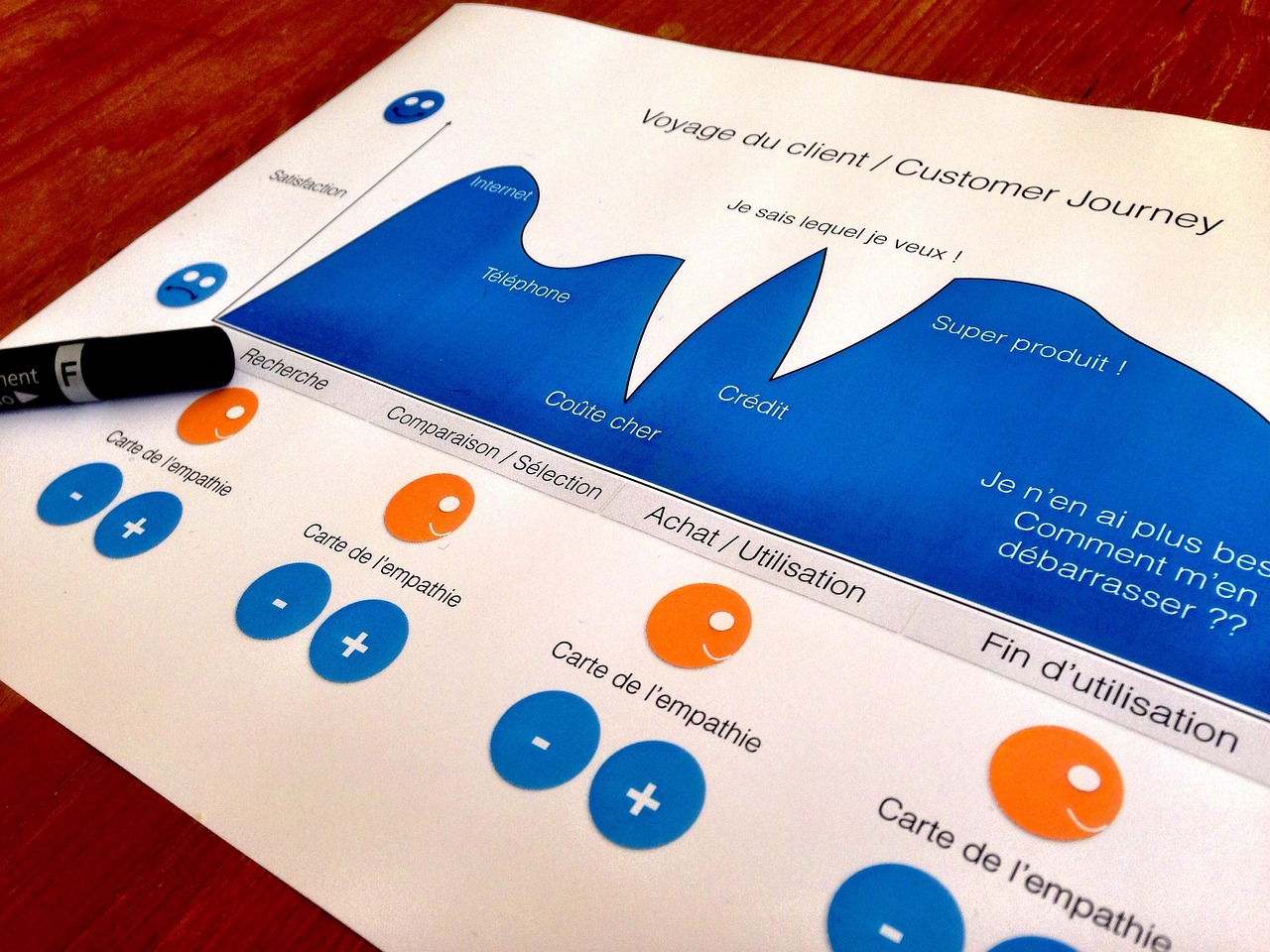
Understanding the customer journey is vital for every business aiming to create an unforgettable experience. It enables organizations to track progress from the initial awareness stage through to the final purchase. First, it’s essential to identify the stages involved in a customer’s journey, which typically include awareness, consideration, decision, and loyalty. During each stage, customers exhibit specific behaviors and preferences, making it crucial to engage with them effectively. Businesses need to strategically use tools to monitor this journey, which provides insightful data on customer interactions across different channels. Implementing tracking features, such as website analytics and customer feedback forms, allows companies to gather valuable information. Monitoring progress is not solely about collecting data, but also interpreting it to refine marketing strategies. Companies can enhance customer satisfaction by understanding pain points, optimizing touchpoints, and personalizing experiences. Moreover, they should regularly review their methods to adapt to changing consumer behavior trends. Keeping track of social media mentions, website traffic, and sales conversions can provide a comprehensive view of the customer journey, empowering businesses to make data-driven decisions.
The second step in tracking customer progress involves engaging customers at each journey stage. Businesses must ensure they are providing relevant content that resonates with customer interests and needs. Informative articles, engaging videos, or interactive webinars can facilitate a better understanding of offers and enhance the company’s visibility. Consistency in communication across channels such as email, social media, and websites builds trust and encourages deeper customer engagement. Over time, understanding customer preferences will lead businesses to tailor their strategies, increasing the effectiveness of their marketing efforts. Utilizing Customer Relationship Management (CRM) systems can be beneficial in managing customer interactions and ensuring timely follow-up. Moreover, implementing tracking tools like Google Analytics allows businesses to measure performance and assess areas that need improvement. By analyzing data gathered, companies can recognize trends and proactively address any issues that could hinder the customer journey. Additionally, establishing key performance indicators (KPIs) will help organizations set benchmarks for measuring progress and achieve designated goals. Ultimately, enhancing customer experiences directly influences overall satisfaction and brand loyalty, which are essential for sustained growth.
The Role of Technology in Monitoring Customer Journeys
In today’s digital age, technology facilitates the tracking of customer journeys more efficiently than ever. Various software platforms enable businesses to analyze customer behavior in real time, allowing for immediate adjustments. For instance, marketing automation tools help nurture leads by sending personalized content based on user interactions. Furthermore, leveraging AI technology can provide deeper insights into how customers progress through their journey, helping identify bottlenecks that could impede conversion. Social listening tools also assist in understanding customer sentiment via online interactions and feedback. Companies can respond promptly to concerns, further enhancing relationships. Additionally, implementing chatbots can streamline customer inquiries, providing instant responses and freeing up resources for more complex issues. Businesses should consider integrating omnichannel strategies to ensure a seamless customer experience, thus encouraging continuous engagement. Collecting data from varied sources enables organizations to create a well-rounded view of customer journeys. By possessing an integrated system that compiles all interactions, companies can make informed decisions and refine their communication based on comprehensive feedback. Thus, technology is crucial for effective tracking and monitoring of customer progress.
Another key aspect of tracking customer journeys is the significance of feedback mechanisms. Encouraging customers to share their experiences creates an opportunity for businesses to measure satisfaction and gain insights into improvement areas. This feedback can come in various forms, including surveys, product reviews, and social media comments. It is imperative that businesses actively solicit and analyze feedback to better understand customer expectations. Moreover, offering incentives for completing surveys can increase participation rates. Combining qualitative and quantitative data can provide a well-rounded picture of how customers perceive their experiences. Regularly reviewing feedback allows organizations to detect patterns or recurring issues that may adversely affect customer journeys. By responding to customer needs, businesses can show commitment to improvement and demonstrate they value customer input. It is essential to close the feedback loop by informing customers about changes made due to their suggestions. This transparency fosters trust and enhances the overall customer relationship, ultimately boosting retention. Tracking satisfaction over time, while measuring changes made, is fundamental for continuous improvement within every business, ensuring that the customer journey remains top priority.
Analyzing Data for Informed Decisions
Collecting and analyzing data are foundational components of effectively tracking customer journeys. Implementing metrics that correspond to specific goals will allow organizations to measure their progress accurately. Key performance indicators (KPIs) such as conversion rates, acquisition costs, and customer retention rates provide valuable insights into how well businesses are engaging their audience. Advanced analytics can reveal trends, which can help inform future strategies. For instance, examining user behavior can highlight which content resonates most with customers, guiding marketing initiatives. Segmenting data can further aid in targeting specific customer groups, which enhances personalization efforts. Additionally, A/B testing can provide practical insights into which strategies are yielding positive results, enabling informed decision-making. Regularly reviewing analytics allows businesses to stay attuned to changing customer preferences and adapt their approaches as needed. Engaging in predictive analytics can also provide foresight into future customer behaviors based on historical trends, influencing product development and marketing strategies. Consequently, businesses that prioritize data-driven decision-making will likely see improved customer journeys, fostering loyalty and encouraging long-term success.
Implementing a robust tracking system is equally important in managing customer journeys effectively. Utilizing various digital tools can help automate tracking processes, thereby enhancing accuracy and efficiency. To create a cohesive system, companies must ensure that all tracking tools are integrated seamlessly. This integration leverages data from multiple sources, allowing for streamlined data analysis and reporting. Companies should invest in training personnel on how to utilize tracking systems optimally, as accuracy in data handling is crucial. Regular audits of the tracking process can help identify any discrepancies and avoid potential blunders. Furthermore, ensuring compliance with data privacy regulations, such as GDPR, enhances consumer trust. Therefore, being proactive in privacy measures is necessary, as it prevents reputational damage that could arise from data misuse. Moreover, documenting processes enables businesses to maintain consistency and clarity in tracking customer journeys. Encouraging employees to share their experiences and insights regarding tracking can foster a culture of continuous improvement. As a result, when businesses invest in robust tracking systems, they set themselves up for success in recognizing and acting on customer needs.
Future Trends in Tracking Customer Journeys
As businesses continue adapting to evolving technologies, new trends in tracking customer journeys are emerging. For instance, the rise of voice search and smart assistants is changing how customers seek information and interact with brands. Companies must learn to optimize content for these platforms to stay relevant. The growing focus on privacy means businesses must handle data responsibly, emphasizing transparency in data collection and usage. Furthermore, the integration of Artificial Intelligence (AI) in tracking systems will enable enhanced data analysis and personalization. AI can help predict customer behavior, enabling businesses to engage them proactively. Additionally, multichannel marketing campaigns are becoming increasingly essential as customers interact across diverse platforms. Businesses must ensure cohesive messaging across all channels for a unified customer experience. Furthermore, the augmentation of augmented reality (AR) in customer journeys offers intriguing possibilities for deeper engagement. Brands can leverage AR to create immersive experiences that resonate with users and facilitate better decision-making. Ultimately, keeping abreast of these trends will position businesses to adapt their tracking strategies and remain competitive in ever-changing landscapes, maximizing customer satisfaction.
Maintaining an agile approach to tracking customer journeys is paramount for businesses aiming to succeed. As internal and external factors continue influencing consumer behavior, organizations must remain prepared to evolve their strategies accordingly. Regularly refining tracking metrics ensures that businesses stay aligned with current goals and customer expectations. Emphasizing flexibility while implementing tracking processes allows organizations to wish adjust to changing market conditions or emerging technologies. Incorporating feedback loops can enhance responsiveness, enabling businesses to test new strategies and gauge their impact in real time. Employee collaboration also plays a vital role in fostering adaptability, encouraging knowledge sharing across departments. Continuous learning and development within teams will create an environment that thrives on innovation. Furthermore, investing in training programs and workshops can empower staff to utilize tracking tools effectively. This investment ultimately leads to better insights and improved customer engagement. Therefore, businesses that prioritize agility in tracking customer journeys will find themselves in a stronger position to navigate multifaceted market landscapes. Their ability to adapt swiftly to changing demands will ultimately underscore their success and foster ongoing relationships built on genuine understanding and responsiveness.