
Tips for Consistent Data Entry and Tracking Accuracy
When it comes to tracking your fitness progress, consistency is key. Keeping accurate records of your workouts, meals, and recovery can help ensure you stay on track towards your fitness goals. The first step is to choose a reliable platform for tracking your data. Whether it’s an app, a spreadsheet, or a fitness journal, make sure it’s something you can easily access. You may also want to set reminders for yourself to log your data after each workout or meal. This will help establish a routine that keeps you accountable. Additionally, consider labeling your entries clearly. For instance, if you’re tracking weightlifting progress, note the exercise, weight, sets, and reps. This clarity will help you analyze your performance over time. Make use of metrics that matter to you. If weight isn’t your only focus, track measurements, body fat percentage, or endurance levels. Finally, review your data regularly to spot trends and make necessary adjustments. This proactive approach will not only keep you motivated but can also reveal significant insights about your health and fitness journey.
The importance of setting specific goals cannot be overstated when you’re tracking your fitness progress. Having clear, achievable goals provides you with direction and helps you focus your efforts. Instead of vague objectives like “get fit”, try setting measurable goals such as “run five kilometers in under 30 minutes” or “lift a total of 300 pounds in squats within three months”. Break these larger goals into smaller, actionable steps to avoid feeling overwhelmed. By doing so, you can celebrate milestones along the way, which can improve your motivation. Create a timeline for your goals, specifying when you want to achieve specific milestones. Documenting these in your tracker adds another layer of accountability. You could even share your targets with a friend or in a fitness community for added support. Remember, adjusting goals based on your progress is a sign of a smart athlete. If something isn’t working or feels unrealistic, don’t hesitate to modify. The adaptability of your approach will ensure that you remain engaged and committed, thus enhancing your tracking accuracy and consistency over time.
Developing a Routine for Data Entry
Establishing a routine for data entry can massively increase your chances of achieving accurate tracking. Make it part of your daily or weekly schedule to regularly input data. Consistency is vital, and having a set time for this task prevents you from forgetting vital information. For example, decide to enter data every evening after dinner. This will create a habit that becomes second nature. Another strategy is to keep your tracking tools handy. Whether it’s a fitness app on your smartphone or a dedicated notebook for logging, keep it within arm’s reach. This makes it easier to jot down your progress right away instead of trying to remember details later. You can also combine data logging with another daily habit, like brushing your teeth at night. This reinforcement technique helps both tasks build upon each other. Try utilizing voice recording features on smartphones for quick notes while you’re on the go. Once you have a solid routine, you’re less likely to neglect tracking, and this leads to improved accountability in your fitness journey.
You must remain consistent with the type of data you log for effective tracking. Mixing different measurement methods can lead to confusion, making it harder to gauge your progress accurately. When you choose how to measure your workouts, stick to one unit system. For example, always use pounds for weight lifting and kilometers for running. This uniformity simplifies your analysis of data over time and ensures that your comparisons are valid. Moreover, be meticulous about the details you include. Logging your energy levels or mood before and after workouts can provide insightful context. This helps you understand how external factors influence performance. In addition to workout data, tracking nutrition is equally essential. Use food tracking apps or a simple checklist to analyze your caloric and nutritional intake. Be honest about what you eat; the goal is to improve, not to trick yourself. If applicable, incorporating recovery metrics such as sleep quality can provide a holistic view of your performance. Following these strategies will reinforce the accuracy of your progress tracking, ultimately benefiting your fitness journey in remarkable ways.
Utilizing Technology for Tracking
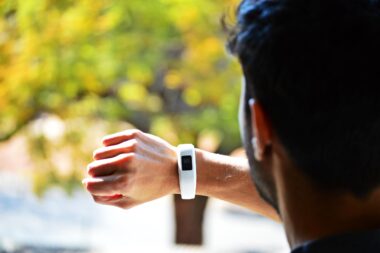
Today’s technology makes tracking fitness progress easier than ever. Wearable devices like smartwatches or fitness trackers can offer real-time data on your workouts. These gadgets allow you to measure heart rate, calories burned, and even sleep patterns. Sync these devices with tracking apps for consolidated data. An integrated system helps you visualize your trends over time, giving you concise feedback about your progress. Many apps provide features that help you set goals, track workouts, and log meals. Some even have community features where you can share updates with your friends for added motivation. If you prefer a more traditional approach, consider using spreadsheets to customize your tracking. This method enables you to create detailed reports tailored specifically to your needs. Remember to regularly review and analyze your recorded data. Take a look at key performance indicators, such as the frequency of workouts or diversity in activities. Utilizing technology not only simplifies data entry but also enhances your ability to track accurately. Finding the method that works best for you will optimize your fitness journey significantly.
Regularly reviewing the data you have collected is the cornerstone of effective tracking. Many people log data but fail to analyze it thoroughly, missing out on valuable insights that can aid their fitness goals. At a minimum, set aside time each week to examine your logged information. Focus on patterns such as consistent workout days, fluctuations in weight, or improvements in personal records. Ask yourself key questions during the review process: Are there trends in my energy levels? How does my performance in workouts correlate with my diet? Looking for such connections can unveil areas for improvement. Analyzing your fitness journey allows you to celebrate the progress you’ve made while also highlighting any setbacks that need attention. You may find it useful to keep a journal detailing your thoughts during these reviews, making it easier to track how you feel about your progress over time. Being proactive in analyzing data will not only keep you engaged but will also enable you to make informed decisions going forward. This ensures you maintain clear objectives while enhancing your overall tracking accuracy.
Building a Supportive Community
Being part of a supportive fitness community can motivate you to stay consistent in your data entry and tracking journey. When you share your progress with others, accountability increases, and it becomes easier to maintain your routine. Look for local fitness groups or online communities that align with your goals. These spaces often provide valuable insights, tips, and encouragement. Sharing your experience allows for reciprocal knowledge transfer. Most members are eager to share what has worked for them, thereby enhancing the community’s collective wisdom. You might even consider joining accountability partners or workout buddies who have similar objectives. Mutual support can turn the often solo tasks of logging and analyzing data into a more social and enjoyable affair. Hosting challenges within your community can further amplify motivation; for example, tracking achievements over a month and celebrating the milestones reached together. Use social media platforms to keep your circle updated about your fitness journey. Regularly posting your progress can help garner feedback and suggestions while also pushing you to stay accountable to your goals.
Finding sustainable methods for tracking your fitness data is crucial for long-term success. Rigid, overly complicated methods may lead to burnout or frustration. Instead, adopt a tracking approach that feels seamless in your lifestyle. Start small; begin by logging just one aspect of your fitness journey, such as workout sessions or meal intake, rather than overwhelming yourself with multiple entries initially. As you grow accustomed to the process, add more data points gradually. Additionally, set flexibility within your routine. If one week is particularly hectic, allow yourself to catch up on logging rather than stressing about missing data entries. This keeps the experience enjoyable and less daunting. Consider using online platforms that offer gamification features as these can make the tracking process feel more engaging. Tracking doesn’t have to feel like a chore; it should enhance your fitness journey. The goal is to gather insightful information that can help you improve. Lastly, tweak your approach as needed. Fitness is a dynamic experience—be open to evolving your tracking methods. This ensures that you stay consistently aligned with your fitness aspirations.