
The Benefits of Reflexology in Supporting Fitness Among Chronic Disease Patients
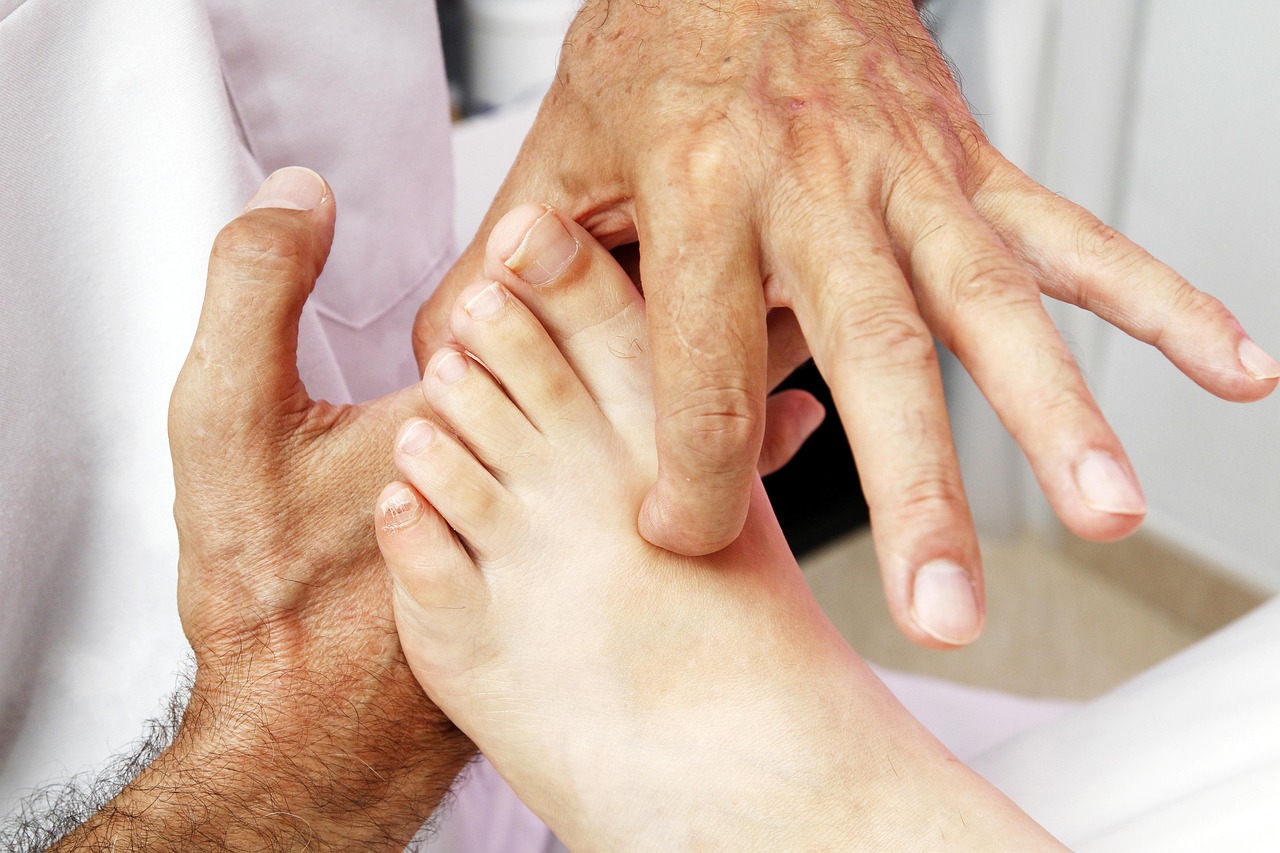
Reflexology is an alternative therapy gaining recognition for its potential benefits in enhancing fitness levels among chronic disease patients. This therapy focuses on specific pressure points in the feet and hands, corresponding to different organs and systems in the body. By applying pressure to these points, reflexologists aim to promote relaxation, reduce stress, and enhance overall well-being. For chronic disease patients, maintaining fitness is challenging due to pain, fatigue, and limited mobility. Reflexology offers a non-invasive technique that can help alleviate these uncomfortable symptoms. Regular reflexology sessions can enhance circulation, thereby providing a natural way to increase energy levels. The therapy encourages the release of endorphins, which act as natural painkillers. Over time, patients have reported improvements in mood, energy, and even physical ability. Additionally, reflexology can complement conventional treatments by providing a holistic approach to health management. Patients often feel more empowered to engage in physical activity, which is essential for overall health. As fitness is crucial for improving the management of chronic conditions, reflexology becomes a valuable tool for many individuals seeking an enhanced quality of life.
Key Benefits of Reflexology
Reflexology offers numerous benefits for chronic disease patients, making it a sought-after alternative therapy. One major advantage is stress reduction, which is particularly crucial for individuals managing chronic illnesses. Stress can exacerbate symptoms, leading to a cycle of discomfort and inactivity. Reflexology promotes relaxation, allowing individuals to experience relief from their symptoms. Furthermore, the therapy helps improve circulation, delivering essential nutrients and oxygen to the body’s tissues. Enhanced circulation is beneficial for tissues affected by chronic diseases, supporting quicker recovery and reduced discomfort. Additionally, reflexology has been reported to alleviate pain, making it an attractive option for those dealing with consistent pain challenges associated with their conditions. The therapy may also assist in balancing bodily functions, promoting a sense of overall equilibrium. Many patients find that after regular reflexology sessions, their sleep quality improves, providing further benefits for physical activity. Moreover, it can encourage a sense of mind-body connection, empowering patients to take charge of their health. This holistic approach fosters a positive attitude toward managing chronic conditions, ultimately aiding fitness levels and overall well-being.
One crucial aspect of reflexology is its tailored nature, which can cater to individual needs and preferences. Each patient presents unique symptoms and challenges tied to their chronic disease. Therefore, reflexologists can customize their approach based on these specific requirements. This personalized treatment can significantly enhance the overall effectiveness of the therapy. Moreover, reflexology is safe for most individuals, exceptional among those who may be concerned about the risks associated with more invasive treatments. As patients engage in reflexology, they often appreciate the comforting and peaceful environment, which contributes to positive experiences. By feeling safe and cared for, patients are more likely to engage in healthy lifestyle choices, including physical exercise. The absence of side effects, combined with the positive emotional experience associated with reflexology, encourages patients to remain committed to their health for the long term. Additionally, reflexology can be easily integrated with other therapies, including physical therapy or medication, providing a comprehensive approach to health management. Reinforcing connections among various treatments can enhance fitness support and strengthen the patient’s conviction to pursue their health goals persistently.
Patients with chronic diseases often face mental and emotional barriers regarding fitness and exercise. Reflexology not only provides physical benefits but also addresses the psychological factors affecting motivation. Individuals fighting chronic conditions frequently experience feelings of hopelessness or frustration, largely due to pain and limitation in mobility. The gentle touch of reflexology can promote a sense of empowerment, motivating patients to engage more actively in their self-care routines. As patients experience improved relaxation, release of tension, and pain relief, their outlook on fitness can positively shift. Many report newfound enthusiasm for exploring various physical activities tailored to their abilities. This newfound motivation can lead to better mental health and increased social interactions, both of which are essential for a holistic approach to fitness. Additionally, reflexology can foster a supportive community among patients who attend therapy sessions together. Patients who share their experiences and challenges related to fitness often find encouragement and motivation in their peers. This shared experience can create a sense of belonging and a network of support, which becomes invaluable as they navigate their fitness journey.
Incorporating Reflexology into a Fitness Routine
To maximize the benefits of reflexology, chronic disease patients should consider integrating this therapy into their fitness routines. Scheduling regular sessions with a qualified reflexologist can align with their overall wellness plan. The incorporation of reflexology can provide additional motivation to engage in exercise, as individuals may feel a greater sense of support for their physical endeavors. Starting with low-impact activities and gradually increasing intensity allows for a balanced approach towards fitness. Walking, swimming, or gentle yoga can be excellent options. Reflexology can specifically target pressure points that correspond with muscles used in these activities, thus enhancing their effectiveness. Additionally, setting achievable fitness goals can be incredibly beneficial. Patients should discuss their aspirations with healthcare professionals to ensure their goals are realistic, accommodating their health conditions. Engaging in different physical activities enables individuals to find what resonates with them personally while enjoying their fitness journey. The combination of reflexology and suitable exercises can empower chronic disease patients to embrace their capabilities and improve their quality of life.
Patients considering reflexology should consult their healthcare provider to ensure that it aligns with their treatment plans. It is essential to choose a certified reflexologist familiar with the patient’s specific health concerns. A skilled practitioner can provide insights into how reflexology can best support their condition. Furthermore, a collaborative approach among healthcare professionals, including physical therapists and doctors, enhances the overall effectiveness of treatment. Communication plays a crucial role in this partnership, enabling the patient to receive comprehensive care. Many patients report higher satisfaction with healthcare experiences when they feel their input is valued. Sharing progress and experiences with the healthcare team can ensure that reflexology and fitness plans are adjusted as needed, accounting for any fluctuations in health status. This adaptive approach encourages patients to remain engaged and invested in their health journeys. Finally, embracing reflexology as part of a multimodal approach to chronic disease management is beneficial. It promotes not just physical fitness but overall mental and emotional well-being.
The future of reflexology in supporting fitness among chronic disease patients looks promising. As more research emerges, understanding the benefits may broaden the acceptance of reflexology within conventional healthcare settings. Integrating reflexology into clinics and wellness programs can further enhance its significance as part of a multidisciplinary approach. Awareness is critical, and healthcare providers should promote flexible options for patients interested in exploring alternatives. Shared patient experiences and success stories can inspire others to consider reflexology as part of their wellness journey. Education at the community level around the potential benefits of reflexology can facilitate increased visibility and acceptance. As awareness grows, so does the potential to empower chronic disease patients to regain control over their health. By incorporating reflexology into existing healthcare models, we can help adults living with chronic conditions discover new ways to improve their fitness and quality of life. Such efforts create a community committed to supporting patients in their wellness journeys, highlighting the importance of holistic approaches to health.
The journey toward embracing reflexology for fitness among chronic disease patients requires collaboration, analysis, and openness to new ideas. Healthcare professionals and reflexologists must partner to advance methodologies that cater to diverse patient needs. Engaging in regular dialogues about the benefits and experiences of reflexology can guide research and best practices. These collaborations can lead to practical guidelines that intertwine reflexology with fitness routines in chronic disease management. Continued education about reflexology will enhance its integration in fitness initiatives tailored for chronic disease patients, providing them with compassionate care. Patients also play a pivotal role in advocating for their health by seeking treatments and supporting the therapies that resonate with them. A proactive approach to sharing experiences can illuminate pathways for others in similar situations. Both reflexologist and patient voices can enrich discussions around community-based therapies and fitness initiatives. Implementing reflexology regularly can serve as a bridge that connects fitness and therapy seamlessly. Patients can advocate for the implementation of complementary therapies that not only improve their health but also facilitate the restoration of hope and motivation in their fitness journeys. Reflexology’s role continues to evolve, making it essential in addressing the complex needs of chronic disease patients.