
The Benefits of Combining Mindfulness with Gluten-Free Detoxing
In our fast-paced world, many people find themselves out of alignment both physically and mentally. This is where combining a gluten-free detox with mindfulness practices can make a profound difference. Eliminating gluten from your diet can provide immediate benefits including improved digestion, increased energy levels, and reduced inflammation. Pairing this dietary change with mindfulness helps you become aware of your body’s reactions, thoughts, and emotions. Mindfulness practices such as meditation, yoga, and conscious breathing enhance your ability to listen to your body. By focusing on each meal with intention, you can truly savor flavors that you might have overlooked in the past. Paying attention to what you consume cultivates deeper appreciation and awareness of food sources. Tracking how gluten-free options impact your well-being through a mindful approach can further bolster your commitment to health. Embracing this duality opens pathways to understanding your body better. As a result, it creates a harmonious balance where your physical detox aligns with mental clarity. This connection not only promotes healthy eating habits but also strengthens your overall wellness journey.
The gluten-free detox journey often involves purging processed foods that can hinder your health. This is a meaningful step towards achieving a clean and nourishing eating routine. Mindfulness enhances your experience by encouraging you to find joy within this transformation. It allows individuals to connect deeply with their detox experience, both emotionally and physically. By integrating mindfulness, you can foster clarity around why certain foods affect you negatively. When you are present during meals, you learn to identify feelings of hunger and fullness, reducing unnecessary snacking. This discipline is vital as your body requires healing, and mindfulness helps you navigate cravings that arise during detox. In addition, spending time outdoors while practicing mindfulness can elevate your emotional state, calming stressors. Coupled with a gluten-free diet, you can explore nutritious alternatives that offer significant benefits. Whole foods such as fruits, vegetables, nuts, and seeds become your allies in this detox adventure. Engage in mindful cooking, turning meal preparation into a meditative practice, where every chop, slice, and sauté becomes an act of love for your body.
Mental Clarity and Elevated Awareness
Combining gluten-free detoxing with mindfulness can serve as a catalyst for achieving mental clarity. Gluten sensitivity can often lead to symptoms such as brain fog and fatigue. Mindfulness techniques, when incorporated, promote cognitive awareness and help mitigate these issues. Engaging in meditation or slow, mindful movements prepares the mind to focus sharply on tasks. This combination becomes an incredible way to reclaim your energy and boost productivity. Moreover, this elevated awareness shines a light on emotional eating habits, where individuals often reach for unhealthy gluten-laden options. By practicing mindfulness, you may recognize the distinction between physiological and psychological hunger. Consequently, this awareness encourages healthier choices. The act of consuming food transitions from a mindless routine to a sacred ritual, enabling appreciation for each bite. Embracing this transition allows for deeper satisfaction and nourishment. Thus, your gluten-free meals become opportunities to cultivate joy and gratitude. Over time, mental clarity enhances emotional stability, promoting personal growth and resilience against cravings. In turn, creating a balanced detox experience fosters a harmonious relationship with food, transforming your approach to healthy eating.
The importance of hydration during a gluten-free detox cannot be overstated. While focusing on food choices is essential, staying hydrated plays a pivotal role. Mindfulness extends to this aspect as well, encouraging you to pay attention to water intake regularly. Proper hydration supports digestion and helps flush out toxins released from the detox process. By actively maintaining hydration, you create an optimal environment for your body to heal. Consider adding lemon, herbs, or fruits to your water as a mindful practice, creating a sensory experience. This not only enhances flavor but also reminds you to appreciate nourishment. Taking time to reflect on what hydration means to your overall health can shift your perspective on beverages. Instead of mindlessly reaching for sugary drinks, you can opt for water or herbal teas that complement your gluten-free diet. Mindfully sipping while enjoying the moment contributes to body awareness and encourages self-care. Establishing this intentional habit solidifies your commitment to a healthier lifestyle, reinforcing the connection between mind and body. Ultimately, integrative practices will lead to sustainable nourishment without feeling deprived during your detox.
Exploring Whole Foods
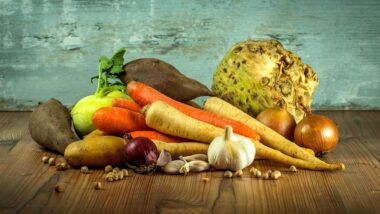
As you embark on this gluten-free detox journey, exploring an array of whole foods is essential for optimal health. Whole foods provide the necessary nutrients to heal and restore your body after gluten removal. Mindfulness plays a crucial role in how you interact with these ingredients. By choosing whole grains such as quinoa and brown rice instead of processed alternatives, you positively impact your overall wellbeing. Mindful eating embraces the wealth of flavors and textures, allowing you to discover new recipes. Enjoying the cooking process by being present helps mitigate the stress associated with dietary changes. Additionally, incorporating mindfulness while grocery shopping fosters healthier choices and conscious consumption. Seeking out local produce also supports the environment, enhancing your connection to the food you eat. Understanding where your food comes from cultivates gratitude that deepens your appreciation for each meal. Pairing cleansing practices with gluten-free options opens the door to creativity in the kitchen. Experimenting with spices, herbs, and fresh ingredients supports detoxification while expanding flavor profiles. This culinary adventure can lead to newfound favorites, paving the way for long-term commitment to your wellness goals.
Mindfulness also influences how you approach the emotional aspects of detox. During this transformative period, feelings of anxiety or temptation often surface, prompting cravings for gluten-laden foods. Acknowledging these emotions through mindfulness enables you to understand their root causes without judgment. Emphasizing self-care practices, such as journaling or mindful breathing, provides tools to navigate these challenges. Setting aside time daily for reflection fosters emotional healing and personal growth. This process allows you to develop resilience and healthier coping mechanisms, reducing reliance on food for comfort. When you acknowledge your feelings and treat them with compassion, the emotional attachment to food diminishes. Thus, you can approach meals with a renewed mindset focused on nourishment rather than restriction. In turn, this shift helps release guilt associated with food choices and promotes a sense of empowerment. Replacing negative thought patterns with affirmations reinforces your commitment to maintaining a gluten-free diet. As you grow in awareness, feelings of control emerge, enhancing motivation. This internal transformation becomes a critical aspect of creating sustainable change within your lifestyle.
Building Community and Support
Embarking on a gluten-free detox alongside mindfulness practices can also significantly enhance social connections. Building community support is essential during this journey, whether through support groups or online forums. Sharing experiences fosters a sense of belonging, validating struggles and victories. Engaging in mindful conversations with like-minded individuals enables deeper understanding and connections. Exploring local workshops or meetup groups dedicated to health and wellness can provide connection opportunities. Furthermore, these platforms offer a space to share gluten-free recipes, ideas, and mindfulness practices that have worked for you. Collaborative meal preparations with friends or family can inspire joy and positivity in a gluten-free lifestyle. The collective experience of supporting one another strengthens motivation and accountability during detox journeys. Sharing your progress allows you to celebrate achievements with your community, further encouraging commitment to healthy habits. In this way, the detox process transforms into a fun and shared adventure rather than a solitary chore. Building these social networks eventually contributes positively to holistic well-being, setting the foundation for long-term health.
Finally, continual reflection through mindfulness enhances your gluten-free detox experience considerably. Regularly assessing how your body feels, how your cravings arise, and what choices you make allows you to adapt your approach swiftly. This ongoing evaluation refines your understanding of the connection between diet and emotional wellness. Understanding triggers that prompt cravings empowers you to make informed decisions rather than falling back into old habits. Keeping a journal may provide an excellent platform for this practice, detailing your experiences and emotions throughout the detoxification process. You will find clarity in acknowledging what nourishes both your body and soul. Ultimately, maintaining this perspective as you progress leads to long-term, sustainable change without guilt. A mindful outlook enables you to cultivate a balanced approach toward eating, nourishing your body without extreme restrictions. As you navigate your unique journey, embracing both challenges and triumphs helps reinforce your commitment to your health. The fusion of mindfulness with gluten-free detoxing becomes your path to discovering a lifestyle that promotes lasting wellness and joy.