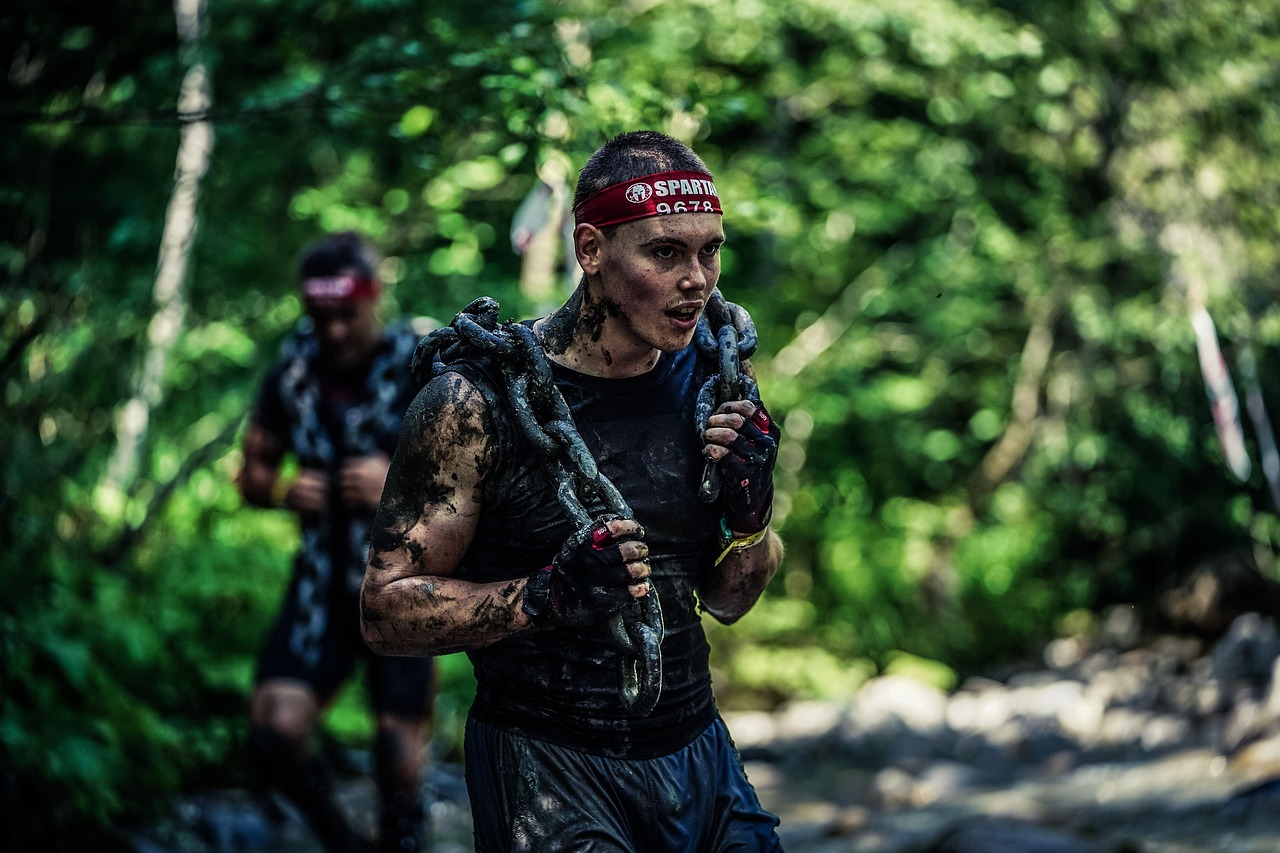

Mental Toughness: How Obstacle Course Training Builds Resilience
In a world that often demands more from us, developing mental toughness is crucial. Obstacle Course Training (OCT) offers a unique approach to building resilience. It challenges participants physically and mentally, pushing boundaries and fostering growth. These training programs create environments that simulate real-life challenges and obstacles, often requiring quick thinking, adaptability, and perseverance. By tackling an array of obstacles, individuals learn to manage stress and overcome fears, cultivating a mindset geared toward endurance. Through OCT, participants build not only muscle but also determination and grit. Each obstacle taken on serves as a metaphor for life’s challenges. As participants complete each course, they gain a sense of accomplishment that translates into confidence. This newfound confidence can influence various life areas, from work to personal relationships. Additionally, engaging in a supportive group environment enriches the experience. Encouragement from peers motivates individuals to push through tough sections, reinforcing the idea that they are not alone. Ultimately, OCT is not just about the physical journey, but the mental transformation it inspires in every participant.
The benefits of obstacle course training extend beyond physical fitness and reach deep into psychological development. Individuals who consistently participate in OCT experience significant growth in their mental resilience. Overcoming physical challenges leads to improved self-esteem and self-worth, as they realize their capabilities far exceed initial perceptions. This training compels participants to confront their fears—whether they be heights, mud, or confined spaces. In doing so, a crucial shift occurs: individuals begin viewing challenges as opportunities for growth. As they tackle these fears in a controlled environment, resilience strengthens, making it easier to handle life’s unpredictable situations. OCT often involves team dynamics, promoting a sense of community that fosters accountability. Participants support one another, sharing techniques and strategies to conquer each obstacle. This collaborative effort not only enhances performance but also builds lasting relationships, promoting a supportive network. Moreover, the mental skills developed through OCT—focus, determination, and strategic planning—translate effectively into everyday life. By enhancing their mental toolkit, participants recognize that challenges at work or home can be addressed with the same perseverance they exhibit on the course.
Building a Growth Mindset Through OCT
Another crucial aspect of Obstacle Course Training is its capacity to develop a growth mindset. This concept, coined by psychologist Carol Dweck, revolves around believing that abilities can be developed through dedication and hard work. Obstacles encountered during training act as catalysts for fostering this mindset, instilling a belief that perseverance leads to improvement. As individuals repeatedly attempt to navigate through challenging courses, they begin to understand that failure is merely a stepping stone toward success. This lesson, learned on the obstacle course, transcends physical activity and permeates personal and professional endeavors. Individuals start to embrace challenges, viewing them as potential catalysts for growth rather than as threats. During this process, they learn to take risks, make mistakes, and learn from them. This shift is pivotal, leading to greater resilience and adaptability. In addition, striving for personal bests within the structured environment of OCT provokes healthy competition amongst peers, further motivating each other’s progress. By cultivating a growth mindset through obstacle training, participants build a foundation for lifelong learning and self-discovery.
Moreover, engaging with Obstacle Course Training can also significantly improve one’s problem-solving skills. Participants often face complex challenges that require them to devise effective strategies to navigate obstacles successfully. Whether scaling walls, traversing balance beams, or crawling through mud, every challenge prompts individuals to think critically about their next move. As they grapple with these problems, participants sharpen their analytical skills and boost their creativity. This mental agility is crucial not just physically, but it enhances their decision-making abilities in various life areas as well. Furthermore, the fast-paced nature of these courses teaches individuals to maintain composure under pressure, an invaluable skill when faced with urgent decisions. Learning to focus on immediate solutions rather than getting overwhelmed cultivates a sense of calm and clarity amidst chaos, which is beneficial in any stressful scenario. The collaborative environment also enhances these problem-solving skills. When teammates work together, they brainstorm solutions, encouraging different viewpoints and approaches. This engagement fosters an environment where varied perspectives lead to innovative solutions, preparing individuals to handle life’s challenges as they appear.
The Role of Community in Developing Resilience
The sense of community built within Obstacle Course Training environments plays a vital role in fostering mental toughness. Participating in group classes creates bonds among participants, transforming strangers into friends who share common goals. This supportive atmosphere encourages individuals to push their limits while being cheered on by peers. The encouragement received often times creates a strong motivation to not only complete the course but also to tackle personal fears. In facing challenges together, they celebrate victories as a group, which reinforces camaraderie and shared experiences. This shared journey through the tough and messy aspects of training promotes deeper connections among participants, enhancing social resilience. Additionally, individuals are more likely to return to training sessions when they feel a sense of belonging. This commitment to community not only contributes to ongoing physical health but also reinforces a collective approach to building mental fortitude. Participants hold each other accountable, establishing a collective expectation for resilience that transcends individual capabilities. The friendships and support developed extend beyond the course, often leading to lifelong relationships forged in the fire of overcoming challenges.
Furthermore, the effects of Obstacle Course Training on mental resilience can have lasting impacts beyond the gym setting. Engaging in this form of training encourages individuals to develop coping strategies that translate into real-life situations. Lessons learned during the challenge of navigating obstacles—such as perseverance, adaptability, and the importance of teamwork—create mental blueprints for overcoming challenges faced in everyday life. As these skills are nurtured, individuals gain increased confidence when facing adversities, empowering them to tackle obstacles head-on. For instance, a participant might find that the teamwork and communication skills honed during training can significantly enhance workplace performance and group dynamics. Likewise, lessons about maintaining a positive attitude in the face of struggle can positively affect familial relationships. Overall, the mental training involved in OCT cultivates a sense of preparedness. Participants become equipped to handle fluctuations in daily life, armed with the resilience they’ve produced through consistent practice. This real-world application of skills solidifies the value of OCT in establishing individuals who are not only physically capable but also mentally formidable.
Conclusion: The Holistic Benefits of Obstacle Course Training
In conclusion, the journey through Obstacle Course Training is about more than just fitness; it’s a holistic approach to developing mental toughness. Through the various physical challenges participants face, they engage in an immersive process that sharpens their resilience, adaptability, and problem-solving skills. This unique training environment not only cultivates a growth mindset but also builds a supportive community that enhances personal connections. As individuals gain confidence from overcoming obstacles, they also acquire vital life skills that extend beyond training sessions and into their everyday lives. The mental strategies learned—ranging from coping mechanisms to embracing a collaborative spirit—prepare participants for life’s myriad challenges. By pushing each other through limits, they foster lasting relationships while developing a powerful network of support. Ultimately, the true victory lies in the transformation participants experience. Embracing the demands of Obstacle Course Training equips individuals with the tools to face the world more confidently, inherently resilient in their approach to both personal and collective hurdles. The journey through OCT proves to be a profound investment in one’s physical and mental well-being.