
Incorporating Flexibility and Mobility Exercises into Home Plans
Creating a balanced home workout plan is essential for achieving fitness goals. Flexibility and mobility exercises contribute significantly to overall health, ensuring a well-rounded routine. Incorporating these exercises can improve performance, reduce the risk of injury, and enhance muscle recovery. By adding flexibility and mobility work to home workouts, individuals can increase their range of motion and reduce muscle stiffness. A flexible body can engage in activities of daily living more easily, enhancing overall quality of life. To begin, one can integrate stretches before and after workouts. This will help to improve flexibility and promote optimal movement patterns, which is crucial for more intense exercise sessions. It’s essential to remember that flexibility is not just for athletes; everyone can benefit from it, regardless of fitness level. Developing this component can enhance physical capabilities in various sports or daily activities. By focusing on mobility exercises, individuals can also work on their joint health. This can lead to greater functional strength and stability. Therefore, make sure to prioritize mobility and flexibility in your plan, enabling a more holistic approach to fitness.
Mobility exercises play a vital role in a comprehensive home workout plan. These movements focus on developing joint range of motion and improving movement efficiency. Being mobile helps one perform daily tasks with ease, reducing the risk of potential injuries. Adding a variety of mobility exercises not only warms up the body but also prepares it for targeted workouts. Examples include ankle circles, hip openers, and thoracic spine rotations. By incorporating these into your routine, the body becomes more adaptable to physical demands. Likewise, flexibility stretches are equally important. They involve elongated positions that enhance muscle elasticity, leading to better muscle performance. This is especially crucial for activities requiring bending, stretching, or twisting. Incorporating static and dynamic stretches can provide a comprehensive approach to improving flexibility. Individuals should listen to their bodies to prevent overstretching, which can lead to injuries. Additionally, many resources are available to guide through proper techniques. For instance, consider online tutorials or local fitness classes focusing on flexibility and mobility. Utilize these resources for effective practice, ensuring a safe and enjoyable experience.
Benefits of Flexibility and Mobility
Flexibility and mobility exercises offer numerous benefits to those engaging in home workouts. One primary advantage is the improvement in athletic performance. When muscles and joints maintain a full range of motion, they can function more efficiently. This efficiency contributes to better strength and power output, resulting in optimized workouts. Additionally, improved flexibility aids in quicker recovery times after intense exercise sessions. The ability for muscles to relax and lengthen helps to reduce soreness. Furthermore, these exercises promote better posture. A body that incorporates adequate flexibility can maintain alignment, reducing strain on muscles and joints. This also alleviates discomfort during prolonged sitting or standing. Furthermore, a consistent flexibility and mobility routine can foster mental wellness. Engaging in stretches and mobility movements can serve as a form of meditation. This mindful approach to movement encourages relaxation. Incorporating these into one’s home workout plan also encourages diversity in routines. A varied approach keeps workouts engaging, preventing boredom from repetitive actions. Therefore, combine strength training with dedicated flexibility and mobility work to foster holistic health.
When designing a home workout plan that includes flexibility and mobility exercises, it’s important to establish a structured approach. Start with a warm-up session that incorporates dynamic movements. These movements should mimic the exercises planned for the workout, preparing both the mind and body for the intensity to come. Subsequently, transition into specific mobility work targeting key joints such as hips, shoulders, and spine. This targeted approach ensures all areas that need improvement receive attention. After completing the strength portion of your workout, conclude with static stretching. Holding stretches for a prolonged period helps to elongate muscle fibers and reset them after exertion. Aim for a routine that includes both standing and seated stretches for maximum effectiveness. Individuals should also consider incorporating foam rolling techniques to aid muscle recovery and flexibility. Foam rollers can help reduce trigger points and alleviate tension in muscles. Regular practice yields gradual improvements over time. The key is consistency and patience. Design a weekly plan that clearly outlines when flexibility and mobility work will take place, ensuring their prominence within the overall workout agenda.
Effective Exercises to Include
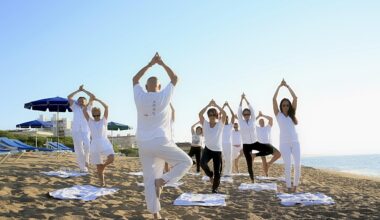
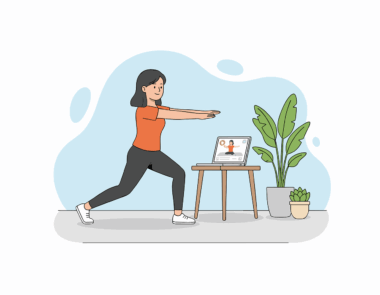
To establish an effective workout routine that incorporates flexibility and mobility, selecting the right exercises is crucial. Begin with simple stretches such as the hamstring stretch and quadriceps stretch. These foundational movements target the major muscle groups, promoting overall flexibility. Additionally, yoga poses such as downward-facing dog and pigeon pose can greatly enhance flexibility. These poses not only stretch specific muscle groups but also promote relaxation through deep breathing techniques. Another beneficial practice is dynamic stretches such as arm swings and leg swings. These movements help warm up muscles and activate the central nervous system. Incorporating these into the warm-up routine prepares the body for subsequent activities. Moreover, consider including various forms of hip mobility exercises, such as deep squats and walking lunges. These enhance hip flexibility drastically, which is vital for physical activities. Furthermore, a balancing exercise like tree pose can also improve overall body stability. This will ensure that all aspects of fitness are attended to concurrently. Therefore, include diverse exercises that focus on multiple joints and muscle groups, creating a well-balanced home workout plan.
Scheduling flexibility and mobility sessions is another essential aspect of a home workout plan. It’s beneficial to integrate these workouts into existing plans rather than treating them as optional add-ons. Establish a specific day of the week dedicated solely to flexibility and mobility training. This approach ensures consistency and emphasizes the importance of these exercises. Weekly sessions can range from focused practices, such as yoga classes, to full-body mobility training. Another option is to combine flexibility work with strength training days, allowing time for post-workout stretches periodically throughout the week. Time spent on flexibility and mobility does not need to be lengthy; even 15-20 minutes can yield significant benefits. Furthermore, ensure that sessions are enjoyable and engaging to maintain motivation. Select exercises that feel good and allow for exploration of bodily movements. Try to maintain a record of progress to observe improvements over time, motivating continual engagement. Whether via a journal or a fitness app, tracking this journey encourages further commitment. Home workouts thrive when individuals prioritize flexibility and mobility within their plans, leading to improved fitness outcomes.
Conclusion
Incorporating flexibility and mobility exercises into a home workout plan invites numerous advantages. Improved athletic performance, recovery, and mental well-being stem from prioritizing these practices. By dedicating time to enhance flexibility and mobility, individuals can enjoy better overall health and engagement in their daily lives. The key lies in consistency, patience, and variety within workouts. As you design exercises for your home fitness regimen, remember to begin with a proper warm-up, followed by dynamic stretching routines. Then, follow through with dedicated mobility exercises and conclude with static stretching. This comprehensive approach will ensure a balanced and effective workout regimen. Additionally, explore various resources and seek guidance on form and technique to maximize benefits safely. Engaging with communities, whether in-person or online, can foster accountability and motivation. As you strengthen your home workout plan, remember that flexibility and mobility serve as foundations for overall success. Protect your future health by prioritizing these components of fitness. Let your journey of integrating flexibility and mobility into your routine be enlightening and engaging. Commit to this holistic development for achieving optimal physical and mental health outcomes.