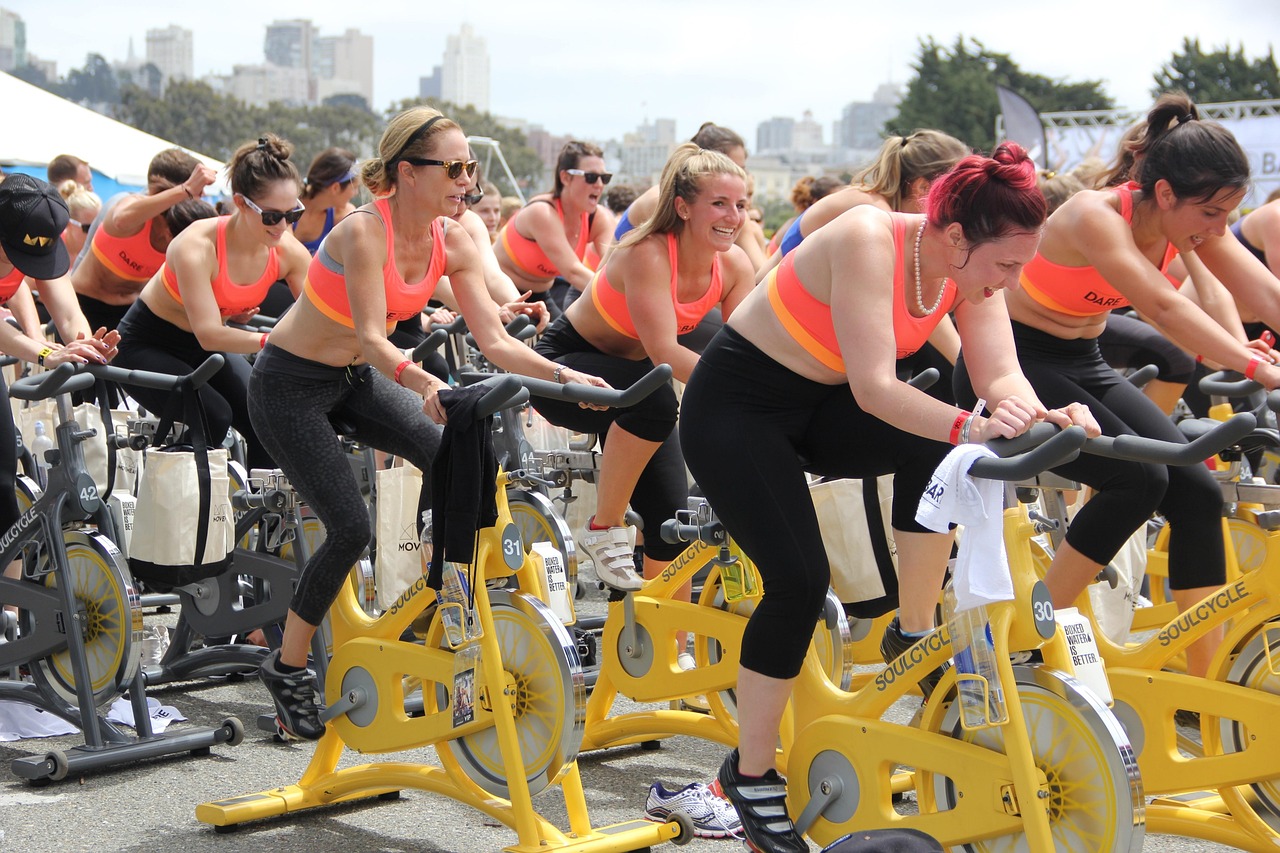

How Group Exercise Supports OCD Social Recovery
Obsessive-Compulsive Disorder (OCD) is a mental health condition characterized by persistent unwanted thoughts and repetitive behaviors. Many individuals with OCD experience significant social isolation, which can exacerbate their symptoms. Group exercise offers a unique opportunity for social engagement and can enhance the overall well-being of those affected by OCD. Engaging in physical activity within a supportive group can foster a sense of community and belonging, essential for emotional health. This social framework not only distracts from OCD-related thoughts but encourages individuals to develop friendships, enhancing their coping mechanisms. Moreover, the shared experience of overcoming physical challenges in a group setting can be empowering, motivating participants to build resilience. Consistent group participation promotes accountability and a routine that can be invaluable for managing OCD symptoms. Exercise has been widely recognized for its positive impact on mental health, releasing endorphins that improve mood and reduce anxiety. Furthermore, sharing these experiences with others who understand similar struggles can create a safe environment for personal growth. Thus, group exercise functions as a powerful tool in combatting the loneliness often associated with OCD.
Physical activity is known to counteract feelings of anxiety and stress, which are prevalent in those suffering from OCD. Engaging in group workouts can enhance the mood, increase motivation, and help individuals break the cycle of compulsive behaviors. Being surrounded by others during exercise helps individuals realize they are not alone in their struggles. The social aspect of group workouts allows for more than just physical exercise; it helps participants develop crucial social skills and rebuild confidence in their ability to connect with others. Moreover, collective engagement in sports or fitness classes often leads to the formation of lasting friendships, providing a crucial support network. Building relationships in such environments can combat the isolation that OCD sufferers frequently face. Additionally, group exercise can also boost self-esteem by focusing on progress and achievements rather than obsessions or compulsions. This shift in focus allows individuals to celebrate small victories and improve mental resilience. Participating regularly in a group exercise setting shows how physical wellness and social interactions create a mutually beneficial relationship that fosters growth, healing, and hope. Ultimately, this alignment can significantly enrich the quality of life for those experiencing OCD.
Building a Supportive Community
Building a supportive community through group exercise is vital for individuals managing OCD. When people come together to work towards a common fitness goal, they also inadvertently form bonds and relationships that help combat feelings of isolation. This supportive atmosphere allows individuals to share their experiences and challenges without the fear of judgment. In a group, members often find that they can discuss their OCD openly, supported by individuals who face similar struggles. The honest sharing of thoughts fosters empathy and understanding, making it easier for participants to learn from one another and gain new coping strategies. Furthermore, the encouragement from fellow group members can provide motivation, particularly on days when individuals may feel overwhelmed by their OCD. The shared sense of achievement and success during group workouts can inspire members to push their limits and overcome personal hurdles. This camaraderie not only encourages physical activity but also creates an environment of validation, where every member feels valued. Thus, participating in group exercise encompasses much more than physical exercise; it cultivates resilience and self-efficacy by building a network of emotional support.
Moreover, the routine of attending group exercise sessions creates structure, which is essential for individuals struggling with OCD. The predictability of a regular schedule fosters a sense of stability and helps reduce anxiety levels. Knowing what to expect not only helps individuals plan their day but also allows them to prepare mentally and emotionally. This type of structured engagement can break the cycle of compulsive behaviors by replacing them with positive and healthy activities. When participants make the commitment to show up for one another, it reinforces a sense of responsibility for their peers. This accountability can be transformative, as it motivates individuals to take their recovery seriously while still allowing opportunities for enjoyment and connection. With every conversation and shared experience, group dynamics become an integral part of their recovery journey. The transformation from isolation to community can create substantial improvements in managing OCD symptoms, emphasizing how powerful the influence of social interaction can be. It is important to recognize that engaging in exercise with others is not just about physical wellness; it is a vital component of holistic mental health recovery.
Long-Term Benefits of Group Exercise
In terms of long-term benefits, participating in group exercise can instill lasting habits that support mental well-being in individuals with OCD. As individuals continuously engage with others, they develop a commitment not only to their fitness but also to their mental health. Consistent physical activity has been linked to improved mood, reduced anxiety, and enhanced cognitive function, making it an essential tool for managing OCD symptoms. Over time, these regular interactions promote resilience and adaptive coping strategies when dealing with intrusive thoughts. The friendships formed in group settings provide long-lasting support networks that individuals can lean on when facing challenges. Alongside these benefits, participants often learn effective stress management techniques from each other, which can further equip them to handle their OCD symptoms. Environments that support group workouts also foster practices of self-care, further enhancing overall mental wellness. Additionally, as participants witness the progress of their peers, they feel inspired to push through their own struggles. Thus, these collective journeys toward fitness exemplify the profound possibilities of achieving improved mental health through social support and exercise.
The therapeutic nature of group exercise is especially vital for those managing OCD, as it shifts focus from internal struggles to shared experiences with others. This shift of attention helps members develop a sense of identity beyond their disorder, allowing them to embrace their fitness journey. By participating in workouts, individuals can take ownership of their health and build a positive self-image. Not only does this influence their physical strength, but it also reinforces their mental resilience. The definition of success evolves with group exercise; rather than measuring accomplishments solely through personal achievements, it becomes a collective progression together. This community-driven approach empowers participants to redefine their limits and possibilities. As individuals share their journeys, they can celebrate milestones collectively, establishing a culture of positivity and encouragement that reinforces their commitment. Ultimately, exercise becomes a powerful means of recovery, allowing participants with OCD to reclaim their lives. With each session, they grow stronger, not just physically, but also in their determination to overcome life’s challenges alongside others who understand their journey. It’s in this shared experience where profound healing can truly take place.
Conclusion
In conclusion, group exercise emerges as an invaluable tool in the management of OCD, facilitating social recovery through physical engagement and support systems. The interconnection between fitness and mental health highlights how physical activity can enhance relationships and promote emotional stability. With every group workout, individuals with OCD gather a wealth of benefits that extend beyond physical achievements. They cultivate friendships, develop resilience, and navigate their challenges collaboratively. Embracing the social element of exercise transforms what can often feel like an isolating endeavor into a collective journey towards recovery. Ultimately, the experience teaches vital life lessons in empathy, respect, and understanding. Group exercise encapsulates the spirit of community, showing individuals they do not have to face their journey alone. It substantiates the powerful impact of collective effort in health improvement, especially in managing mental disorders like OCD. Gaining this insight reshapes how society approaches OCD management. By encouraging group exercise, we can harness its full potential to not only promote physical wellness but to create a more compassionate environment for healing and recovery, ultimately enhancing the lives of those impacted by OCD.
The mental struggle is often challenging, and incorporating exercise into daily routines provides significant improvements. When prioritizing both exercise and social interactions, individuals with OCD stand a greater chance of experiencing holistic healing.