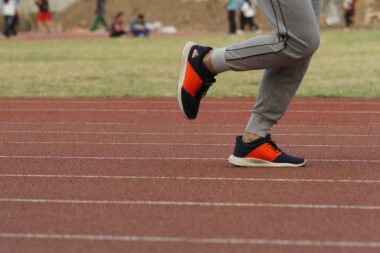

Developing Proper Running Form for Youth Athletes
Effective running form is crucial for youth athletes participating in marathons. It helps in improving speed, endurance, and overall performance. A few key components contribute to an efficient running style. First, posture plays an essential role. Athletes should maintain an upright position with relaxed shoulders. This stance allows for optimal air intake and minimizes fatigue. Second, arm movement must be coordinated with leg movement. Arms should swing naturally at a 90-degree angle, ensuring fluid motion without excessive tension. Finally, youth runners need to focus on their foot strikes, landing midfoot. Landing on the midfoot allows for better energy transfer and reduces the risk of injuries. In addition to these aspects, youth athletes should consistently practice proper technique. Activities such as drills and video analysis can help identify areas for improvement. As a coach or parent, teaching young runners about these essential elements of form is vital. Additionally, providing positive feedback and encouragement will motivate them to refine their skills and enhance their performance.
Challenging terrain during marathon training is another aspect where proper running form comes into play. Adapting to hills, uneven surfaces, or trails requires specific adjustments in technique. Encouraging young runners to focus on maintaining form while navigating these obstacles can significantly improve their efficiency and balance. When running uphill, youth athletes should lean slightly forward and shorten their stride. This adjustment minimizes fatigue while propelling them upward. Conversely, when running downhill, it’s essential to keep the body upright and avoid overstriding to maintain control and prevent injury. Practicing these techniques on varied terrains can enhance young athletes’ adaptability. Incorporating drills that simulate hills and uneven surfaces during training sessions will prepare them for the actual marathon environment. These experiences will help develop their confidence in handling varying terrains effectively. Moreover, understanding the impact of running style on different surfaces will give young runners an edge in their performance. Ultimately, the focus should remain on maintaining proper running form, regardless of the setting. This aspect of training is vital for long-term success in marathon preparation and can lead to a more enjoyable running experience in youth athletes.
Importance of Flexibility and Strength Training
Incorporating flexibility and strength training into running programs also contributes to developing proper running form. Flexibility enhances athletic performance by allowing a greater range of motion in joints. Youth athletes should engage in dedicated stretching routines before and after their runs to prevent injury and promote flexibility. Dynamic stretches improve muscle elasticity, whereas static stretches facilitate recovery. Additionally, strength training can improve overall muscle balance and correct any weaknesses that might affect running form. Age-appropriate exercises, such as bodyweight squats and lunges, can build essential strength without overstraining young muscles. Parents and coaches should emphasize the importance of strengthening core muscles, as they support the body during running. A strong core stabilizes the pelvis and reduces the risk of injury associated with running. Similarly, focusing on leg strength can help youth athletes maintain proper running form throughout prolonged distances. Integrating flexibility and strength training in a balanced program is crucial for maximizing performance. Emphasizing proper technique during these practices will further promote correct running form, ultimately benefiting young athletes in their marathon preparation.
Nutritional protocols and hydration are critical aspects of marathon preparation that can influence running form. A balanced diet rich in carbohydrates, proteins, and healthy fats is essential to fuel young athletes for rigorous training sessions. Educating youth about proper nutrition choices will promote muscle recovery and energy replenishment. Proper hydration is equally vital in maintaining optimal performance levels. Dehydration can lead to fatigue and decreased endurance, negatively affecting running form. Coaches should encourage athletes to drink water before, during, and after their training sessions. Providing guidance on recognizing hydration needs can foster better practices. In addition, incorporating electrolyte-rich fluids during long runs can support hydration and prevent cramping. Parents can play a supportive role by preparing healthy meals and snacks for their young athletes. Collaboration between coaches and parents is essential to create an environment that promotes optimum nutrition and hydration. Ultimately, by understanding the relationship between nutrition, hydration, and running form, youth athletes will be better equipped to perform effectively in their marathons. A holistic approach encompassing diet and training is crucial to long-term success in the sport.
The Role of Mental Preparation
Mental preparation is often overlooked in youth marathon training, but it plays a pivotal role in running form. Encouraging youth athletes to develop a positive mindset can greatly impact their overall performance. Visualization techniques can help them imagine their ideal running form, leading to a more consistent execution in practice. Coaches should involve athletes in goal-setting activities, emphasizing small, achievable milestones. Celebrating these achievements fosters motivation and reinforces confidence in their abilities. Teaching young athletes to practice mindfulness can help them focus on their breathing and running form during races. Managing pre-race anxiety will allow them to perform at their best during competitions. A trained mind, along with a developed body, leads to optimal form and efficiency while running. Mental resilience is crucial for overcoming challenges and maintaining proper technique under pressure. Coaches can offer support by creating a positive team environment that encourages open communication. Athletes must feel comfortable discussing their concerns and aspirations. Through mental preparation, youth athletes can enhance their overall performance, maintaining proper running form while cultivating a positive relationship with the sport.
The importance of ongoing feedback and assessment cannot be overstated in youth marathon preparation. Continuous evaluation of running form should be part of athletes’ training routine. Observing young runners and providing constructive feedback helps them refine their technique. Utilizing video analysis is particularly beneficial; it allows athletes to visually understand their form and make necessary adjustments. Coaches should schedule regular check-ins to assess individual progress and address any concerns regarding running form. This process fosters accountability and enables young athletes to take ownership of their training. Peer feedback can also be valuable, promoting a supportive team culture where athletes encourage one another. As runners progress, coaches can emphasize the need for self-assessment, helping them develop critical thinking regarding their form. This skill will serve them well in both training and competitions. Documenting improvements over time builds confidence and offers motivation to keep striving for excellence. As youth athletes become more attuned to their bodies, they will naturally gravitate toward proper running form. This supportive approach cultivates a lifetime of healthy running habits.
Incorporating Recovery Strategies
Recovery strategies are an essential component of marathon training, significantly impacting youth athletes’ performance and running form. Ensuring adequate rest between training sessions allows young athletes’ bodies to repair themselves. Coaches should prioritize scheduled rest days to prevent overtraining and fatigue, which can lead to poor running form. Scheduling shorter, intense workouts peppered with longer recovery days can help athletes maintain motivation and progress without risking injury. Teaching proper cool-down techniques, such as gentle stretching, helps reduce muscle soreness and promote flexibility, positively influencing running form. Emphasizing restorative practices, such as yoga and foam rolling, can further aid young athletes in enhancing their range of motion. Involving parents in creating a supportive recovery environment can play a crucial role in promoting these habits. Encouraging healthy sleep patterns will ensure that youth athletes have sufficient energy for their training. Adequate sleep is foundational for recovery and overall athletic performance. Coaches and parents must strongly advocate for these recovery strategies. By incorporating rest and restorative practices, youth marathon runners can optimize their overall performance and learn to maintain proper running form throughout their athletic journey.
In conclusion, developing proper running form for youth athletes is a multifaceted endeavor that requires attention to key elements. These elements include technical skills, mental preparation, nutrition, and recovery practices. Engaging youth athletes in focused techniques, such as posture, arm movements, and foot strikes will enhance their running efficiency. Incorporating flexibility and strength training provides the foundation for maintaining proper running form while preparing for marathons. Furthermore, mental resilience and positive thinking can foster the confidence needed for races, contributing to a successful outcome. Coaches and parents have vital roles in supporting young runners, offering guidance in nutrition and hydration, while nurturing self-assessment and feedback. Introducing varied trainings while ensuring proper recovery strategies is essential for long-term success. Overall, creating an environment where youth athletes can thrive, learn, and grow will foster a lifelong love for running. This holistic approach will not only enhance their marathon preparation but also instill valuable life lessons. Ultimately, developing proper running form for youth athletes lays the groundwork for their future in athletics and encourages healthy lifestyle choices that last a lifetime.