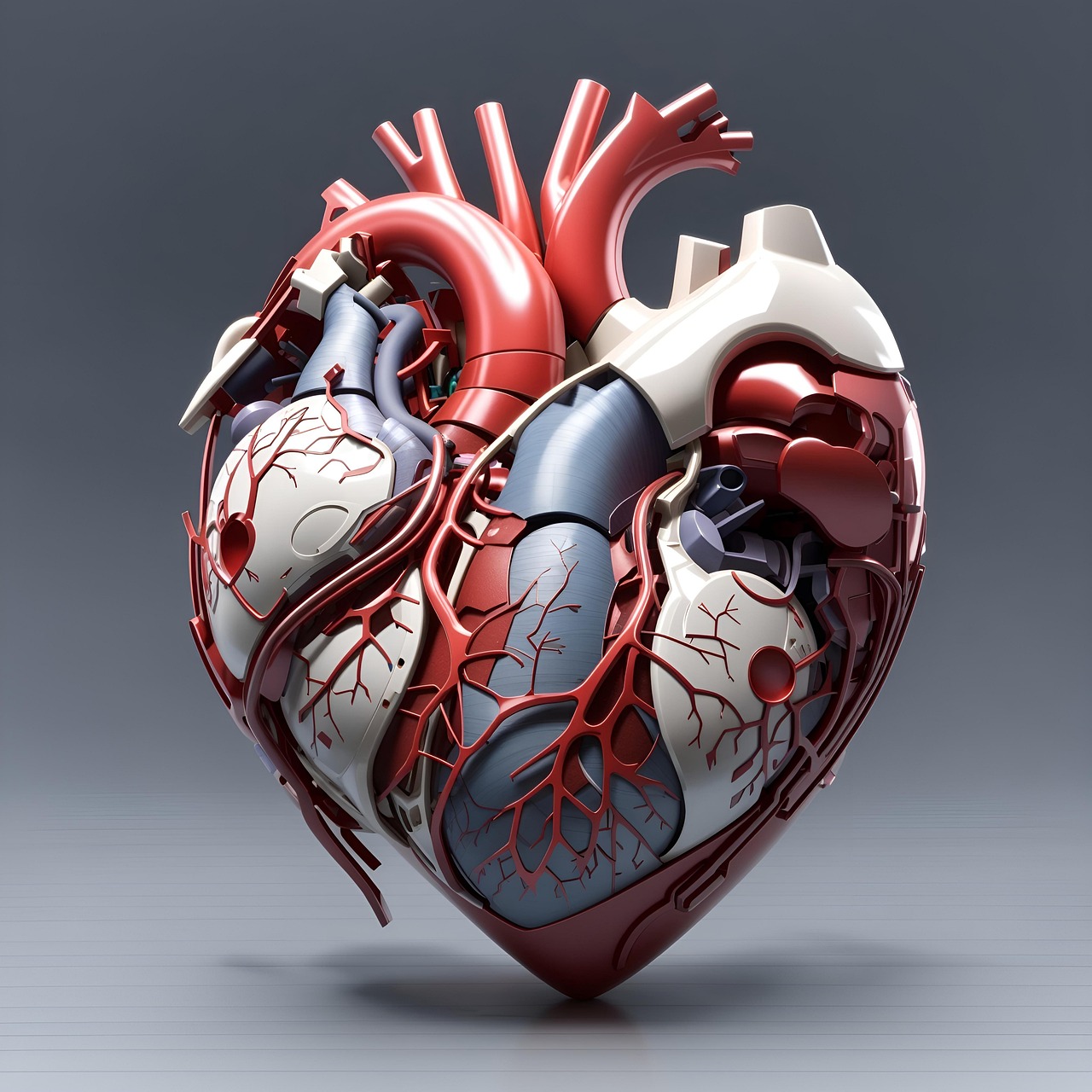

Detox Diets for Better Cardiovascular Health
The concept of detox diets has gained widespread popularity, especially in the context of promoting cardiovascular health. While these diets typically involve eliminating harmful substances from the body, they also focus on integrating specific foods that support heart function. A successful detox diet generally emphasizes whole foods such as fruits, vegetables, lean proteins, and whole grains. One of the primary benefits of such diets is their ability to reduce inflammation, which is crucial for maintaining heart health. By incorporating anti-inflammatory foods, individuals can potentially lower their risks of heart disease and stroke significantly. Foods rich in omega-3 fatty acids, antioxidants, and fiber are known to support cardiovascular function and improve cholesterol levels. Furthermore, detox diets encourage hydration, which is essential for effective circulation and toxin elimination. Therefore, considering a detox diet could be a step toward better cardiovascular wellness, especially when combined with regular exercise and a balanced lifestyle. Adopting a structured approach to detox can greatly enhance overall well-being and physical health. Making informed dietary choices during a detox can provide profound advantages for optimal heart function long term.
One important aspect of detox diets is their contribution to weight management, which directly influences cardiovascular health. Many heart-related issues stem from being overweight or obese, making weight control an essential factor. Detox diets typically lead to weight loss by promoting healthier eating habits and reducing calorie intake. When individuals shift towards consuming more fruits, vegetables, and lean proteins, they tend to lower their overall calorie counts while receiving necessary nutrients. This can result in a more favorable body composition by reducing visceral fat, which is closely associated with heart disease. Moreover, detoxing encourages mindful eating practices, allowing individuals to develop a better relationship with food. The elimination of processed foods, sugars, and unhealthy fats during the detox phase can also help minimize cravings and promote more sustainable eating patterns. However, it’s crucial to engage in detox diets under professional guidance to ensure safety and effectiveness. Improper detox efforts can lead to nutritional deficiencies if not managed correctly. Research consistently shows that maintaining a healthy weight is one of the most effective strategies to improve cardiovascular health for those at risk.
Improving Blood Pressure and Cholesterol Levels
Another significant benefit of detox diets is their potential to regulate blood pressure and cholesterol levels. High blood pressure, also called hypertension, and elevated cholesterol are major risk factors for heart diseases. Detox diets foster a clean eating principle that encourages the consumption of heart-friendly foods, which can aid in controlling these factors. Foods rich in potassium and magnesium, such as leafy greens and bananas, are emphasized as they can help to lower blood pressure effectively. Additionally, incorporating foods loaded with soluble fiber, like oats, beans, and apples, can help reduce LDL cholesterol levels, further benefiting heart health. Antioxidant-rich fruits such as berries and citrus fruits also play a pivotal role in promoting cardiovascular wellness during detox diets. Moreover, the act of detoxifying helps reduce sugar and saturated fat intake, which can contribute to improved heart health. This transition to healthier alternatives often leads to the overall betterment of cholesterol profiles, thereby minimizing the risk of cardiovascular complications. Ultimately, a well-structured detox diet can serve as a valuable tool in the management of blood pressure and cholesterol.
Detox diets also help with detoxification processes within the body itself, which can be advantageous for cardiovascular health. The liver, kidneys, and lymphatic system work tirelessly to remove toxins. When these organs are overloaded, they may become less efficient, negatively affecting cardiovascular function. Detoxing allows the body to rid itself of accumulated toxins, leading to improved performance of these essential systems. For instance, adequate hydration from detoxifying fluids, such as water and herbal teas, is vital for kidney function. Enhanced kidney health means more efficient removal of waste and toxins from the bloodstream, safeguarding heart health. In addition, many detox diets promote the intake of antioxidants to combat oxidative stress, which is a significant contributor to cardiovascular disease. Foods rich in vitamins C and E, selenium, and other powerful antioxidants help neutralize free radicals. It essentially safeguards blood vessels and the heart from injury. The synergy created by enhanced detoxification and a nutrient-rich diet can contribute to more robust heart function and overall well-being. Investing in a detox diet can lead to positive, long-lasting cardiovascular benefits.
The Role of Mindfulness in Detoxing
The practice of mindfulness is often incorporated into detox diets, significantly enhancing their effectiveness. Mindfulness encourages individuals to be conscious of their eating behaviors while detoxing. This focus includes paying attention to the textures, flavors, and smells of foods consumed. Individuals who incorporate mindfulness into their detox diets often report a more satisfying and enjoyable food experience. Consequently, this can lead to better food choices and help in resisting unhealthy cravings. When people are more aware of their eating habits, they’re more likely to make decisions that align with their health goals. Mindful eating can create a healthy mindset, promoting positive lifestyle changes beyond the detox period. Furthermore, mindfulness can aid in stress reduction, which is important because chronic stress can adversely affect heart health. Engaging in practices such as meditation or yoga during detox can complement the diet by fostering emotional balance and promoting relaxation. The integration of mindfulness helps solidify the connection between detoxification, proper nutrition, and heart health. This holistic approach ultimately enhances not just physical health, but also mental well-being.
Many detox diets stress the importance of consistent exercise, which directly benefits cardiovascular health. Physical activity works wonders in promoting heart function, enhancing circulation, and managing weight. Consequently, anyone following a detox diet should incorporate regular exercise into their routine for optimal results. Activities like walking, running, or even yoga can complement the detox process and enhance overall cardiovascular performance. Exercise has numerous heart-related benefits, including reducing blood pressure and boosting overall stamina. Implementing a well-rounded exercise regime along with a detox diet improves aspects like metabolism and heart rate, contributing to better cardiovascular function. Moreover, physical activity helps mitigate some potential detoxification symptoms such as fatigue or irritability. As the body adjusts to a cleaner diet, it may experience temporary discomfort, which exercise can alleviate. Thus, maintaining a proactive approach towards physical activity can bolster the effectiveness of detoxing efforts. Those on detox diets who remain physically active will likely experience a more transformative journey toward improved heart health. Committing to both diet and exercise will lead to noticeable enhancements in well-being.
Long-Term Benefits of Detox Diets
In the long term, the benefits of detox diets extend far beyond immediate improvements in cardiovascular health. Many individuals who commit to detoxing may find themselves more inclined to maintain healthier lifestyles afterward. The primary goal of a detox diet is not just short-term weight loss or cleansing, but rather establishing sustainable changes. After completing a detox, people often find it easier to incorporate healthy foods into their daily meals. This transformation leads to more balanced diets rich in vitamins and nutrients that support heart health. Furthermore, detox diets can also inspire culinary exploration, encouraging individuals to try new, nutritious ingredients. As such, individuals may feel empowered to make informed food choices that reflect heart-friendly principles. Consistent adherence to healthy eating post-detox can contribute to reduced risks of heart disease, hypertension, and other cardiovascular issues. Therefore, viewing detox diets as a gateway to long-lasting health improvements can yield substantial rewards. Embracing the changes initiated by a detox can create a positive foundation for lifelong wellness.