
Cultural Practices That Promote Fitness and Wellness Abroad
Traveling abroad offers a rich tapestry of cultural practices that foster fitness and wellness, blending physical activity with local traditions. In countries like Japan, the practice of walking is deeply ingrained in daily life, with the ‘Kodo’ walking paths denoting sacred routes that encourage mindfulness and fitness. Participating in local dances, such as the ‘Samba’ in Brazil or the ‘Hula’ in Hawaii, not only burns calories but also immerses travelers in cultural heritage. Additionally, many Mediterranean nations emphasize communal meals featuring fresh, local food, which promotes healthy eating habits alongside social interaction. Techniques like mindfulness meditation, which are prevalent in Buddhist traditions across Asia, offer travelers tools for mental clarity and stress relief. Furthermore, countries such as Sweden and Denmark encourage outdoor activities throughout the year, whether it’s biking or cross-country skiing, as part of their commitment to an active lifestyle. Engaging in these practices while exploring new destinations fosters a holistic approach to fitness, enhancing both physical and mental well-being. Travelers are invited to explore these unique experiences that promote health and nurture the body and spirit in harmony with their surroundings.
Culinary Traditions and Health
Food plays an integral role in promoting wellness, particularly in the Mediterranean region. The emphasis on a diet rich in fruits, vegetables, whole grains, and healthy fats creates a foundation for a healthy lifestyle. Traditional dishes from Italy or Greece, like a fresh Greek salad or a bowl of risotto, not only cater to taste buds but also nourish the body with essential nutrients. Culinary practices such as sharing meals with family and friends encourage moderation and mindfulness when eating, fostering a more conscious connection to food. Experimenting with local ingredients enhances this connection further, as travelers learn about regional cuisines and health benefits. In certain African cultures, communal eating fosters social wellness, strengthening bonds among participants, highlighting the importance of community in health. Besides, cooking classes offer tourists a chance to delve into local flavors while learning new cooking techniques, merging fitness with creativity. By embracing local culinary traditions, visitors can adopt healthier eating habits that extend beyond their travels, enriching their everyday lives. This cross-cultural culinary experience ultimately underlines the symbiotic relation between nutrition, culture, and overall wellness, enhancing the travel experience.
Physical Activities Rooted in Tradition
Physical activities and sports deeply rooted in local culture can significantly enhance fitness levels while providing a glimpse into the heritage of different regions. For example, engaging in a traditional ‘Muay Thai’ training session in Thailand can provide an intense workout steeped in the country’s history, where every strike has a purpose and story. Similarly, learning ‘Capoeira’ in Brazil combines dance, music, and martial arts, fostering not only physical fitness but also rhythm and coordination. Such cultural engagements are often available through local schools or trainers passionate about sharing their heritage. Additionally, participating in ‘Kendo’ in Japan or ‘Wushu’ in China provides insight into the philosophical roots behind these practices, making fitness a holistic experience. Countries across the globe celebrate local sports and physical contests, where individuals are encouraged to showcase their talents, such as ‘Kabaddi’ in India, giving travelers the opportunity to both watch and participate. Engaging in these activities fosters a deeper understanding of community bonds, enhancing overall health while creating unforgettable memories. These traditions not only promote fitness but also nurture respect for diverse cultures and their histories.
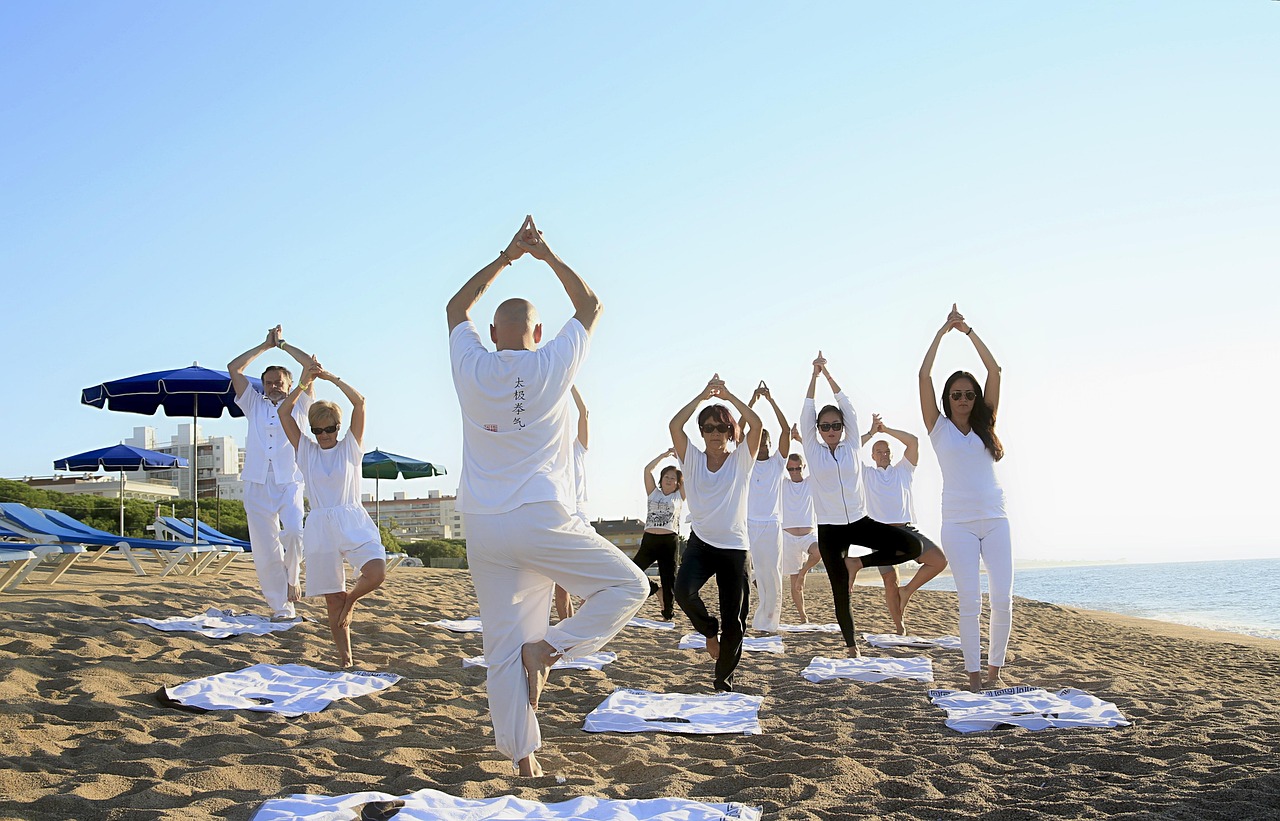
Exploring the great outdoors is another compelling aspect of cultural fitness practices worldwide. Countries like Norway and Canada invite adventurous travelers to indulge in activities like hiking, skiing, and canoeing in their breathtaking landscapes. The connection between nature and physical activity is paramount, where scenic beauty fuels motivation for fitness. Hiking trails often have historical significance, offering pauses for cultural learning among the views. Additionally, outdoor yoga classes on tropical beaches or scenic mountain tops provide serenity combined with sun exposure, seamlessly blending fitness with mindfulness. Countries such as Costa Rica emphasize eco-tourism, where travelers engage in activities like surfing, mountain biking, and ecological tours that promote environmental stewardship. Exploring local flora and fauna while exercising fosters an appreciation for nature while enhancing physical fitness. Participating in outdoor festivals worldwide often incorporates physical activities, creating a sense of community among participants. Whether it is the ‘Running of the Bulls’ in Spain or participating in traditional marathons, these activities celebrate culture while promoting health. Engaging with the natural environment creates a unique union of adventure, fitness, and cultural exposure, enriching the travel experience significantly.
Local wellness practices, including unique forms of massage and relaxation techniques, are essential to achieving holistic health abroad. For instance, traditional Balinese massage in Indonesia is not just about physical relief but is deeply connected to local healing practices. Many travelers find therapeutic benefits in participating in wellness retreats that highlight local techniques, from Ayurvedic treatments in India to hot stone massages in Hawaii, tailor-made for rejuvenation. Participating in these experiences encourages cultural exchange while benefiting from expert techniques that enhance overall wellness. Local ceremonies often accompany these practices, forging connections with the culture and its values, emphasizing mental health. In Spain, ‘Siesta’ plays an intricate role in health, permitting daily rest to recharge, thus enhancing productivity and well-being. Integrating meditation or yoga into local practices encourages relaxation, offering techniques to manage stress effectively. Learning and practicing these techniques while traveling opens gateways to mindful living, fostering mental and emotional wellness. Such immersion signifies the importance of adding localized practices to enrich personal routines. Travelers are encouraged to explore wellness beyond the physical realm, presenting an opportunity for comprehensive health practices that emphasize body, mind, and spirit harmony.
Fitness opportunities abound in diverse cultural festivals around the world, offering exhilarating ways to engage with local traditions. Festivals often feature sports and competitions that highlight local talent, such as ‘Waka’ in Ghana or the ‘Highland Games’ in Scotland, where athleticism is a showcase of cultural pride. Taking part in activities during these events encourages physical fitness while immersing travelers in unique experiences. The festive atmosphere empowers individuals to try something new, such as dance or traditional sports, allowing for physical and social engagement. Festivals also emphasize the local community’s health, showcasing traditional cooking and local ingredients, which align with well-being. Participants can enjoy community games that foster camaraderie and cooperation, enhancing social health. By joining these celebrations, travelers contribute to local customs and traditions while improving their fitness levels. Engaging with various cultures through festivals creates connections and promotes understanding. Such experiences highlight the notion that fitness integrates joy, community, and culture harmoniously. Fostering this sense of connection enriches not just physical fitness but enhances the travel journey, making memories that last beyond the trip.
Finally, understanding the importance of rest and relaxation in different cultures is vital for overall wellness. Countries such as Finland embrace ‘Sisu’, promoting a balanced approach to work and play, emphasizing the need for breaks and mental health. Engaging in traditional sauna practices or spending time in nature creates a serene environment that fosters rest. Many countries prioritize downtime; the balance between activity and leisure reflects cultural values. In Japan, the tradition of forest bathing, ‘Shinrin-yoku,’ advocates spending time in wooded areas for relaxation and rejuvenation, promoting mental health. Incorporating such practices into travel itineraries aids in focusing not only on physical activity but emotional stability. Teaching mindfulness through local practices allows travelers to recharge and gain perspective, proving essential for mental health. Understanding how other cultures perceive and prioritize rest enhances personal wellness journeys while traveling. The ability to balance effort with rest illustrates the essence of fitness and wellness as a lifelong journey. By embracing rest within cultural contexts, travelers can nurture themselves fully, creating a more rounded tourism experience that resonates deeply beyond the journey itself.