
Yoga Poses to Include in Your Post-Workout Routine
After a rigorous workout, your body craves proper care and relaxation. Incorporating yoga poses into your post-workout routine can significantly enhance recovery. These poses help to stretch out sore muscles, improve flexibility, and promote mental well-being. A few effective post-workout yoga poses include downward dog, child’s pose, and pigeon pose. Each of these poses targets different muscle groups that often become tense or tight during workouts. For example, downward dog stretches the hamstrings, calves, and spine, providing relief to your lower back. Moreover, child’s pose encourages deep breathing, calming both the body and mind. Additionally, engaging in these poses allows you to slow down and reflect on your workout experience, fostering mindfulness. To maximize benefits, hold each pose for 5 to 10 breaths, allowing your body to sink deeper into the stretches. Remember, proper hydration and nutrition are equally important post-workout, so accompany your routine with a nutritious snack or meal and plenty of water. Ultimately, yoga can be an essential tool in shifting your focus from intensity to recovery, enhancing your overall fitness experience, and preventing injuries.
Benefits of Incorporating Yoga
Integrating yoga into your post-workout routine offers numerous benefits that extend beyond physical recovery. Firstly, yoga aids in reducing muscle soreness that can occur after an intensive workout session. The gentle stretching involved in yoga helps to release lactic acid buildup, consequently easing tightness in muscles and joints. Furthermore, yoga promotes improved blood circulation, which is essential for delivering nutrients to muscle tissue, hence accelerating recovery. Additionally, adopting these poses can significantly enhance flexibility and range of motion. Over time, you’ll notice an improvement in your overall performance during workouts, ensuring you can push yourself further. Mental health is another area significantly impacted by yoga, as it fosters relaxation and stress relief. Engaging in mindful breathing while you practice yoga enhances your mental clarity and emotional balance. This combination of both physical and psychological benefits makes yoga an essential component of a well-rounded fitness routine. In addition, practicing relaxation techniques can help in better quality sleep, which is crucial for recovery. Therefore, integrating yoga after workouts not only helps physically but nurtures your entire well-being.
Many individuals overlook the significance of cool-down routines after exercising. However, implementing a thoughtful post-workout routine prevents potential injuries in the long run. By performing yoga poses after your workout, you can gradually lower your heart rate, encouraging a smoother transition from high intensity to rest. Some effective cool-down yoga poses include seated forward fold or supine spinal twist. Both of these positions connect your breath with gentle stretching, allowing your heart rate to drop and aiding in relaxation. In addition, they help you become more in tune with your body, identifying areas of tension that need attention. Practicing deep breathing throughout this process further amplifies the benefits of your cool-down routine. Ensure to listen to your body as you practice these poses. If you feel any strain or discomfort, adjust your postures accordingly. Consistency is key in reaping the benefits of this restorative practice. Try to include a few minutes of yoga daily, or at least after your workouts. The cumulative effects of such consistent practice will be significant, leading to remarkable improvements in muscle recovery and overall fitness.
Key Yoga Poses to Practice
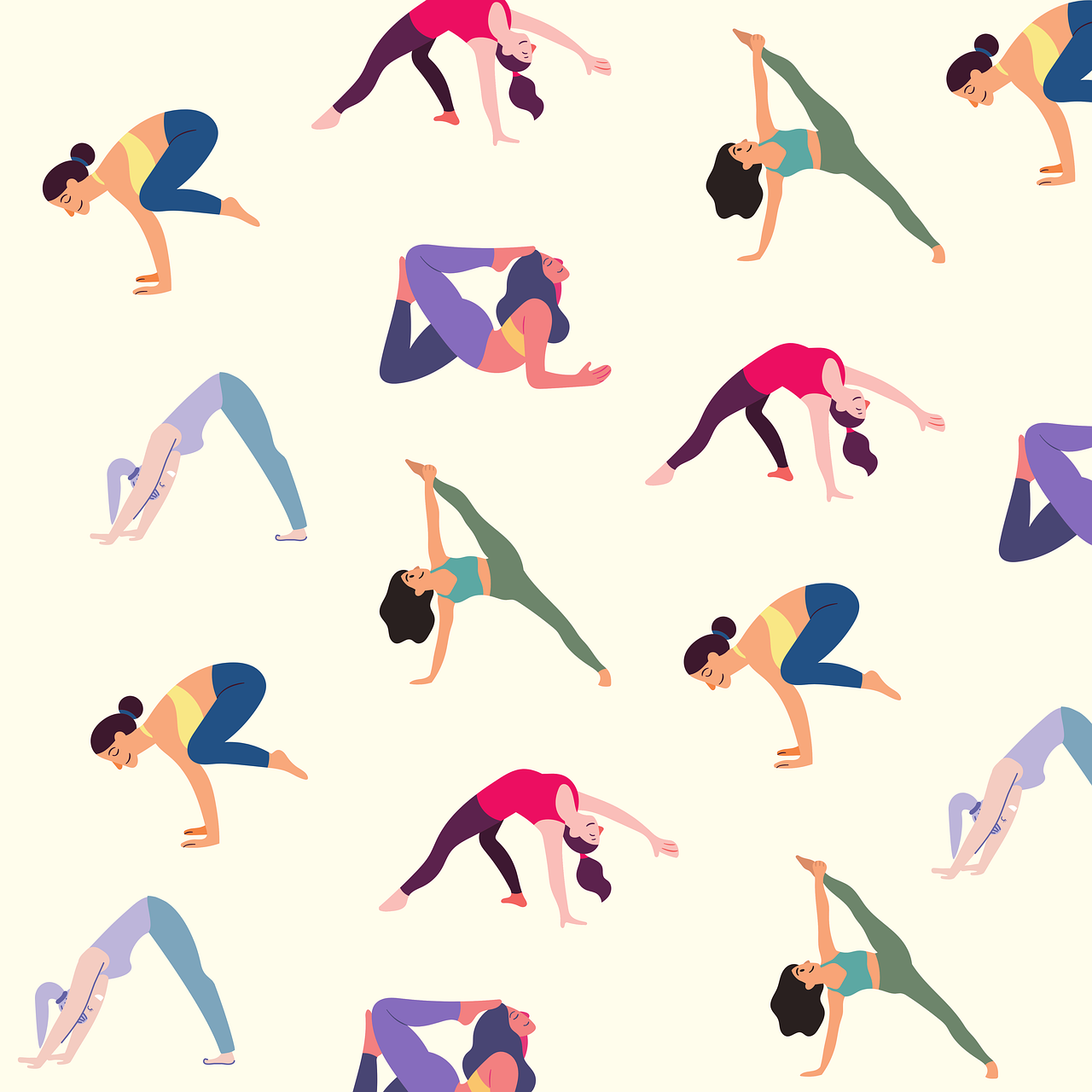
Here are some key yoga poses worth practicing in your post-workout routine: First, the downward-facing dog stretches the entire spine and hamstrings. This pose alleviates tensions built during various workouts and is great for overall body alignment. Next, the pigeon pose is perfect for opening the hips, which often bear the brunt of many fitness activities. It reduces stiffness around the glutes and lower back. Another essential pose is the cat-cow stretch, which helps enhance spinal mobility while encouraging breath flow. The seated forward fold also deserves a spot in your routine, as it brings a gentle stretch to the back, hamstrings, and shoulders. Finally, the supine spinal twist is excellent for releasing tension from your spine and promoting relaxation. When practicing these poses, focus on your breath. Inhale deeply through the nose as you move into each pose, and exhale fully to release tension. Maintain each pose for at least five breaths to experience the full effects of relaxation and stretching.
The alignment of your body during yoga poses cannot be overlooked. Proper alignment helps in maximizing the benefits of each stretch while minimizing the risk of injury. When practicing yoga postures, focus on maintaining a neutral spine and ensuring that your knees are aligned with your ankles in standing poses. If you find any discomfort in certain positions, don’t hesitate to modify them. Using props such as blocks, straps, or bolsters can provide additional support and deepen stretches. Remember, yoga is about finding balance in your body, and ensuring proper alignment will lead to a more enjoyable practice. It’s also beneficial to incorporate variations into your routine, adapting poses to your unique needs. Eg. You can opt for a wider stance in seated forward folds if you experience tightness or discomfort. Consistency is the cornerstone of any successful workout routine. Aim to include yoga in your post-workout cooldown regularly. Not only will you notice improvements in flexibility and muscle recovery, but you’ll also begin to experience a more profound connection with your body and breath.
Listening to Your Body
Integral to an effective post-workout yoga routine is the art of listening to your body. Each day can bring different physical sensations and emotional states; thus, your yoga practice should proactively adapt to these changes. Make it a habit to assess how your body feels before beginning your session. If you notice tightness or soreness, consider focusing on restorative poses that ease tension. Alternatively, if you feel energetic and strong, you might engage in deeper stretches. Through mindfulness in practice, you cultivate a deeper understanding of your physical and mental states. Moreover, avoid pushing through pain, as this can lead to injuries. Instead, embrace gentleness by respecting your limits, allowing yourself to rest in Child’s Pose when needed. Yoga encourages intuitive understanding and respect for your body’s unique needs. Furthermore, celebrating small achievements in your yoga practice—no matter how insignificant they may seem—can encourage a sense of accomplishment and improve self-esteem. Hence, be patient with yourself as you navigate your wellness journey with yoga, discovering joy and balance.
To maximize the benefits of yoga after workouts, it’s also essential to pay attention to your environment. Creating a dedicated space for practicing yoga fosters a calming atmosphere, enhancing your experience. Whether choosing a quiet corner in your home or a peaceful outdoor setting, comfort is vital. The choice of clothing is also important—opt for breathable, stretchable fabrics that allow free movement. Playing soft music or using calming scents such as lavender can improve relaxation and contribute to a therapeutic experience. Make sure your environment is free from distractions, enabling you to focus solely on your breath and practice. Additionally, consider establishing a routine by practicing at the same time daily or several times a week, allowing your body to anticipate this restorative moment. Over time, you may find that this yoga-centric practice greatly improves your overall fitness journey. Combine these post-workout yoga routines with a well-balanced diet and hydration to ensure that your body recovers effectively from workouts. Integrating these elements will promote holistic well-being, enhancing both your physical fitness and mental state.