
Warm-Up and Cool-Down Strategies for Seniors
Engaging in regular exercise is vital for older adults, aiding in enhanced mobility, strength, and overall health. However, it’s crucial to recognize the importance of warm-up and cool-down routines to prevent injuries. Seniors often have varying fitness levels and potential limitations due to previous injuries or conditions. Therefore, starting any exercise regimen with a gentle warm-up can significantly improve blood circulation, which is essential for preparing muscles and joints for more intense activity. Additionally, incorporating stretches that focus on major muscle groups helps to enhance flexibility and joint range of motion. Overall, seniors should aim to warm up for at least five to ten minutes before engaging in more vigorous workouts. Remember the key is to perform movements slowly and smoothly, ensuring that the body is gradually acclimating to the demands of the exercise ahead. A solid warm-up can make sessions more enjoyable by preventing discomfort and reducing the risk of exercise-related injuries. Ultimately, listening to one’s body and adjusting activities accordingly is paramount for maintaining a safe and effective fitness journey. Seniors should feel empowered to adopt exercise strategies that suit their individual needs.
After a meaningful workout, a proper cool-down is equally important for seniors. This phase also lasts about five to ten minutes and plays a critical role in helping the body wind down effectively. Engaging in cooldown activities, such as light walking or gentle stretching, helps lower heart rates gradually and facilitates overall recovery. Additionally, the cooldown process allows seniors to prevent muscle stiffness which is known to occur after exercise. It’s worthwhile to note that the cooldown phase can also enhance blood circulation, encouraging efficient removal of metabolic waste from worked muscles. When cooling down, targeting areas of tension is beneficial. Gentle stretches should be performed for muscles that feel tight, and moving through them slowly ensures the optimal stretching effect is achieved. Incorporating deep breathing techniques during the cool-down also helps in promoting relaxation. Overall, a proper cool-down routine allows seniors to reflect on their workout experience positively and prepare for their next exercise session. Including these strategies can promote longevity in fitness activities and maintain motivation levels high, ultimately fostering a lifelong commitment to health and wellness.
Essential Warm-Up Exercises
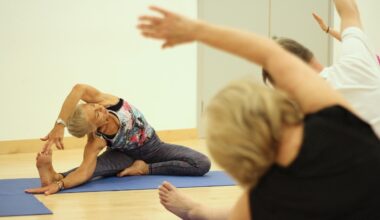
To create an effective warm-up routine for seniors, it’s important to include light cardiovascular activities which can be tailored to individual capabilities. Activities such as brisk walking or light cycling for a few minutes can effectively raise body temperature while increasing blood flow to muscles. Another beneficial approach is to incorporate dynamic stretching. Examples of these stretches include arm circles, leg swings, and torso twists, which enhance flexibility and improve blood circulation. Each movement should be performed gently and repetitively, emphasizing control over speed. Seniors should also consider joint rotations that focus on the hips, knees, and shoulders, facilitating an improved range of motion and flexibility essential for strenuous activities. Simple exercises like shoulder shrugs and ankle circles can also be integrated, as they help warm up smaller joints that play a significant role during physical activities. It’s recommended to perform these warm-up exercises in repetitions that feel comfortable, typically between 10 to 15 times per move. Consistency in practicing warm-up routines will not only enhance physical performance but also instill a sense of accomplishment for older adults.
A well-structured cool-down strategy can enhance recovery after physical activities significantly. One effective approach is to start with low-impact movements, such as walking, for 5 to 10 minutes to help the body transition smoothly from exercise to rest. This gradual decrease in intensity allows the heart rate to lower steadily, reducing strain on the cardiovascular system. Following light walking, seniors should engage in static stretching for major muscle groups utilized during workouts. These may include stretches for the hamstrings, quadriceps, and back. Each stretch should be held for about 15 to 30 seconds, promoting muscle relaxation and reducing tension effectively. Importantly, hydration is another essential aspect of the cooldown process. Drinking water or an electrolyte drink helps replenish lost fluids during workouts. Moreover, seniors should remain mindful of their individual limits and skills; hence, they should avoid pushing too hard during cooldowns. Focusing on breathing and mindfulness during cooldown will enhance mental well-being along with physical recovery, making the entire exercise experience more rewarding and fulfilling.
Listening to Your Body
It’s essential for older adults to always listen to their bodies and recognize signs of fatigue or discomfort. Engaging in any exercise program should prioritize safety first, especially when incorporating warm-ups and cool-downs. Seniors should be encouraged to communicate any feelings of dizziness, pain, or strain during workouts. Adapting activities based on feedback from their bodies will help avoid potential injuries and ensure a long-lasting exercise experience. Using modifications or alternatives can be beneficial. For example, if a particular stretch causes discomfort, exploring a gentler variant will allow for a safe practice. Additionally, collaborating with a fitness instructor familiar with older adults can prove helpful in developing suitable warm-up and cooldown routines that fit individual capabilities. Establishing personal fitness goals focusing on improvement rather than competition ensures a positive mindset. The key is to create a routine that is enjoyable, sustainable, and safe. This involves patience and gradually progressing as fitness levels improve, allowing seniors to appreciate the process of becoming healthier while ensuring their well-being remains the primary concern.
Warm-up and cool-down routines serve as critical components of exercise for older adults, not merely as afterthoughts. They outline a comprehensive framework for safe engagement in physical activities vital for maintaining optimal health. The warm-up prepares both the body and mind, fostering a readiness to tackle upcoming movements while mitigating risks. Conversely, the cool-down phase is where recovery begins, allowing seniors to transition from exertion to relaxation gently. This process emphasizes the importance of balance in exercise—striking a fine line between effort and recovery ensures longevity in fitness engagement. Seniors should be aware that both warm-ups and cool-downs can be adapted based on personal needs and preferences. Incorporating enjoyable activities such as listening to music or engaging in conversation during warm-up and cooldown phases can further enhance the exercise routine’s appeal. Remember to set realistic goals and appreciate small achievements along the way. With each successful workout, motivation grows, propelling seniors towards healthier lifestyles and fostering confidence in their abilities. Ultimately, the consistency of warm-up and cool-down routines leads to safer, more effective workouts, solidifying their role in comprehensive fitness programs for older adults.
Final Thoughts on Exercise Safety
Ensuring safety during exercise is fundamentally vital for older adults wanting to maintain active and fulfilling lives. Incorporating warm-up and cool-down strategies will not only promote physical health but foster positive mental well-being. It creates an enriching exercise environment that motivates seniors to embrace physical activity. By doing so, they can mitigate risks associated with sudden movements or inadequate recovery. Engaging in fitness requires a holistic approach, considering both mind and body aspects to amplify enjoyment and successful outcomes. Therefore, sustaining open discussions about limitations and adaptations within exercise will play a fundamental role in achieving desired goals. Overall, seniors must appreciate the importance of warmth and coolness before and after workouts, allowing them to invest in their health safely. With the understanding that each person’s journey may differ, remaining adaptable to personal experiences is essential. By fostering an environment of encouragement, support, and understanding, families and communities can aid older adults in staying active. Thus, promoting warm-up and cooldown principles ensures older adults continue to thrive healthily while enjoying the benefits of regular physical activity.
Ultimately, the structures of warm-ups and cooldowns empower seniors through fitness engagement. Addressing the crucial aspect of exercise safety helps reduce anxiety about activities, enabling enjoyable participation and consistent efforts. They’re promoted as vital practices for holistic wellness and not merely as supplementary suggestions. Senior adults need to feel a sense of accomplishment after each session, along with sensing improvements in flexibility and overall wellness. By making warm-ups and cool-downs an integral part of their routines, seniors can ensure their health trajectories significantly improve. Encouragement from family members, coaches, or health professionals can facilitate successful adaptations to incorporate these strategies. Most importantly, understanding individual limits and lifestyle will ultimately mold successful practices. Committing to self-care through fitness becomes a powerful tool, leading to empowerment and understanding that health is paramount. During warm-ups, thoughts shift to the possibilities of mobility, while cooldowns allow reflection and appreciation of physical efforts. By implementing these proven strategies, older adults can enjoy exercise while actively engaging in positive decisions for their physical health. Warm-up and cooldown protocols contribute fundamentally to sustaining an empowered and fulfilling exercise journey as they profoundly shape the individual’s experience of fitness.