
Using Pilates to Strengthen Post-Cesarean Core Muscles
After a cesarean delivery, many new mothers face unique challenges regarding their core strength and stability. Pilates can be a fantastic option for rebuilding the strength in the abdominal muscles while allowing you to take care of your body safely. Unlike high-impact workouts, Pilates emphasizes controlled movements and proper alignment, making it especially suitable for postpartum recovery. Engaging in Pilates after a cesarean not only targets the core but focuses on breathing techniques that can help open tight areas. This gentle approach assists in aligning the hips, pelvis, and spine, which is crucial after the physical stress of childbirth. Additionally, the principles of Pilates enable women to become more aware of their body mechanics. This awareness equips them with the tools to move more efficiently while tending to their new baby. If you’re considering starting Pilates post-cesarean, consult a healthcare professional to ensure it’s right for you. Fortunately, many Pilates classes are modified to accommodate postpartum moms, allowing for a gradual return to fitness without overexerting yourself. Every step counts, and beginning with Pilates can lead to a more empowered body.
Pilates provides numerous benefits specifically for women recovering from a cesarean section. One of the core principles of Pilates is its focus on breathing, which can significantly aid in relaxation and stress relief. After a c-section, managing stress is crucial as it impacts overall health and well-being. Furthermore, practices emphasizing controlled breathing enhance circulation, promoting faster healing of surgical wounds. Another valuable aspect of Pilates is its ability to strengthen the pelvic floor. Many postpartum mothers experience weakened pelvic muscles, affecting their quality of life. Regular practice of specific Pilates exercises helps restore strength in this area, reducing the risk of issues such as incontinence. Additionally, Pilates can improve posture, which may suffer during breastfeeding and while carrying your newborn. With strengthened core muscles, proper posture becomes more feasible, ultimately relieving potential back pain. Most importantly, Pilates fosters a supportive community, allowing new mothers to connect and share their experiences. Making time for yourself through exercise not only promotes physical recovery but also enhances mental resilience, strengthening your overall outlook on motherhood. As you explore Pilates options, remember to listen to your body and progress at your own pace.
Essential Pilates Exercises for Post-Cesarean Recovery
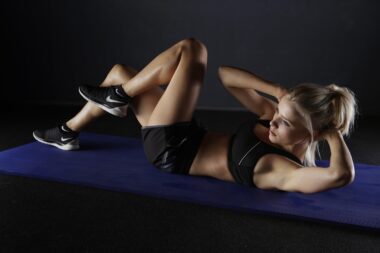
Several Pilates exercises target specific core muscles that need strengthening after a cesarean delivery. One essential exercise is the “Pelvic Curl,” which focuses on the lower abdominals and encourages spinal articulation. To perform this, lie on your back with your knees bent and feet flat. Inhale deeply, engaging your abdomen, and as you exhale, lift your hips off the floor. This movement not only strengthens the abdominal muscles but also gently mobilizes the spine. Another effective exercise is the “Single Leg Stretch.” This engages the deep core muscles while providing stability and mobility. Start by lying down, bringing your knees to your chest, and extending one leg out while pulling the other towards you. This exercise can also improve coordination and balance. Additionally, the “Side-Lying Leg Series” helps to target the obliques, essential for core stability. By incorporating these exercises into your routine, you can make significant strides toward rebuilding your core strength post-cesarean. Utilizing a Pilates instructor’s guidance may enhance your experience and ensure proper form. Consistency is key when re-engaging the core after surgery.
Another fundamental Pilates exercise beneficial for post-cesarean recovery is the “Modified Plank.” Unlike traditional planks, the modified version allows you to support your knees, easing pressure on your abdominal area. To perform this exercise, place your hands on the mat while keeping your knees grounded and body straight. Focus on maintaining a taut core as you hold the position, enhancing overall core stability. Also, consider the “Bird-Dog” exercise, which encourages balance and coordination through a gentle reach of opposite arm and leg. Begin on all fours, then extend your right arm forward while simultaneously extending your left leg back. This exercise activates deep core muscles and enhances spinal stability. Remember, the primary goal of post-cesarean workouts is not to rush back to pre-pregnancy shapes but to rebuild strength gradually and safely. With Pilates, you’re encouraged to listen to your body and maintain proper alignment in each movement. Joining Pilates classes specifically designed for postpartum women can foster understanding and adherence to techniques, while also offering social support. Ensuring you progress safely will set the foundation for a strong recovery while nurturing both your body and sense of connection.
Nutrition and Pilates: Fueling Your Recovery
Nourishing your body is crucial for recovery, especially when engaging in physical activities like Pilates. A balanced diet rich in protein, healthy fats, and complex carbohydrates fuels your workouts and aids muscle repair. It’s essential to prioritize whole foods, such as lean proteins, fruits, vegetables, and whole grains, to provide optimal nutrients post-c-section. Hydration plays a significant role in recovery, so drinking sufficient water throughout your day is vital, particularly before and after workouts. Additionally, consider small pre- and post-workout snacks that contain carbohydrates and protein, like Greek yogurt with berries or nut butter on whole grain toast. These snacks keep your energy levels stable, supporting your Pilates sessions. Avoid highly processed foods that offer minimal nutritional value, as these can lead to fatigue and sluggishness. Supplementing your diet with essential vitamins and minerals will also support recovery. Consult with a nutritionist specializing in postpartum nutrition to tailor a meal plan that suits your individual needs. By harmonizing your Pilates practice with proper nutrition, you create a holistic environment for recovery that enhances both physical health and overall well-being.
It’s vital to listen to your body during Pilates sessions as you navigate postpartum recovery. After a c-section, your body has undergone significant changes, both physically and emotionally. Be patient with yourself as you reintroduce exercise into your routine. Emphasize quality over quantity by focusing on correct form and alignment. Avoid pushing through pain, as this may hinder your recovery journey. It’s also helpful to set realistic goals during this process. Celebrate small achievements, whether holding a position longer or mastering a new exercise. Engaging in Pilates in a supportive group can help motivate and inspire you throughout your journey. Consider choosing classes that specifically cater to postpartum women to connect with others facing similar challenges. As you gain strength and confidence in your abilities, your practice can evolve into a fulfilling fitness regimen. Prioritize self-care and enjoy the journey of rediscovering your body. Ultimately, each step taken toward improving core strength is a step toward overall well-being and enhanced enjoyment of motherhood. Keep in mind that recovery is a personal journey, and finding joy in movement is essential.
The Importance of Professional Guidance
Consulting with a trained Pilates instructor is beneficial when navigating post-cesarean workouts. Having someone with expertise ensures that you engage your body safely and effectively, providing a tailored approach based on your unique recovery needs. An experienced instructor can help you understand the connection between breathing, movement, and core activation, fostering mindfulness throughout your practice. Furthermore, they can assess your current fitness level, allowing them to modify exercises accordingly and prevent any potential strain on your body. A professional can guide you through proper techniques to maximize benefits from each session. It’s also a valuable opportunity to ask questions regarding concerns you might have about your recovery. Finding classes designed for postpartum mothers may facilitate a supportive environment. These classes often emphasize camaraderie and shared experiences among participants facing similar life changes. Seek out instructors who specialize in prenatal and postpartum fitness to ensure you receive the most accurate and safe guidance. Remember that everyone’s body responds differently to workout regimens, so honor where you are in your recovery journey. Establishing a strong foundation with professional support can lead to lasting health benefits long after your baby arrives.
Ultimately, Pilates serves as an empowering means for women recovering from cesarean deliveries to regain their strength and focus on personal fitness. While respecting your body’s healing process, you can gradually re-engage core muscles with specific exercises tailored to recovery. The supportive community found in Pilates classes designed for postpartum mothers can provide motivation and encouragement, making the transition into fitness both enjoyable and fulfilling. With time and consistency in practice, you can enhance flexibility, strength, and endurance while nurturing a sense of connection with your body. As you embark on this journey, celebrate the small victories and remember that healing is not linear. Enjoy the shared experiences within the class settings, knowing that you are all navigating similar paths of motherhood and recovery. Always approach your fitness regimen with kindness and patience toward yourself. Prioritize balance in your life as you integrate Pilates into your weekly activities. With practice, you can build a strong foundation for returning to your pre-pregnancy fitness levels while embracing the changes motherhood brings. Pilates is more than just exercise; it is an opportunity for holistic growth and empowerment.