
Top Myths About Zumba Debunked
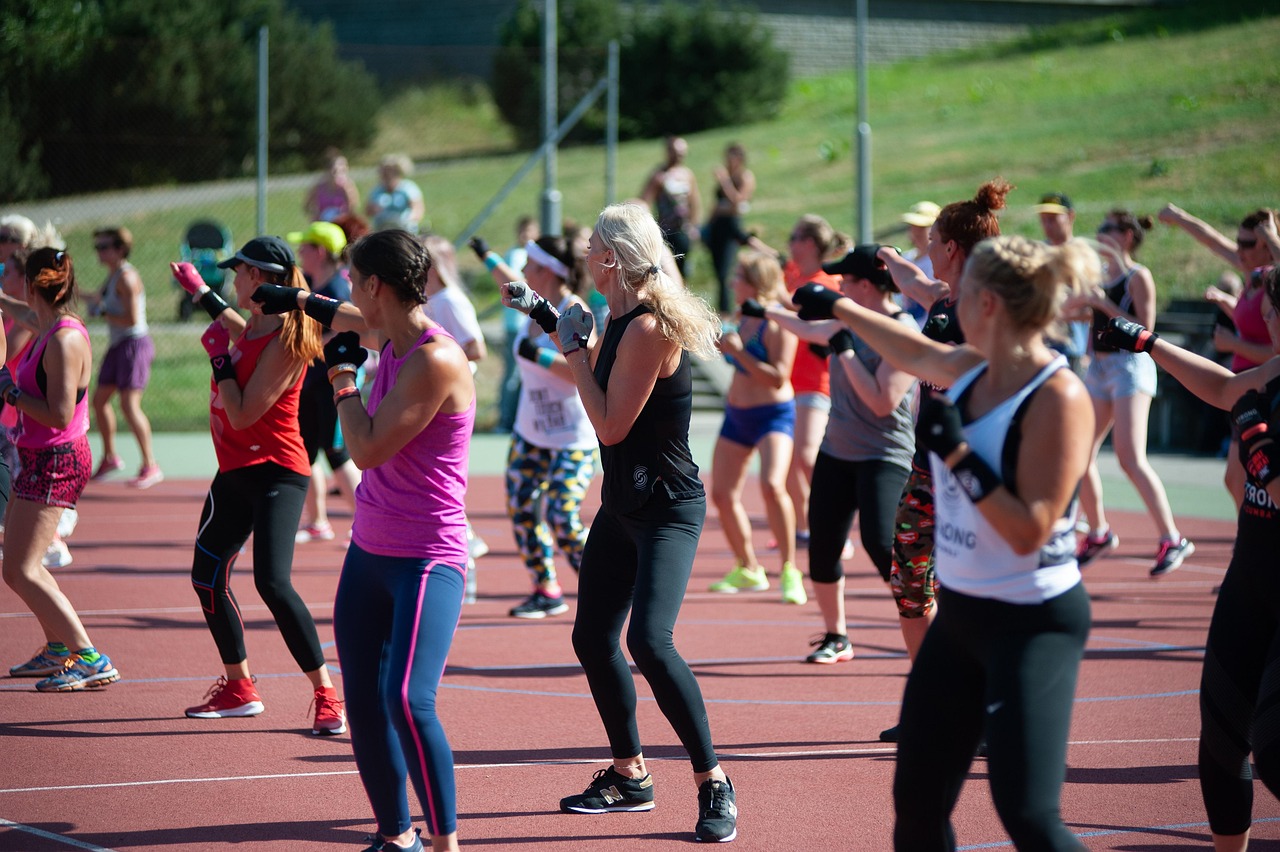
Many people believe that Zumba is purely a high-impact workout, which limits its appeal. In reality, Zumba can be tailored to suit various fitness levels. Beginners can enjoy modified versions of the moves. Trainers often provide alternatives for those who may have mobility restrictions or are just starting their fitness journey. Moreover, anyone looking for lower impact options can focus on slower rhythms in the class. This flexibility allows almost everyone to participate. Whether your goal is to lose weight, improve coordination, or simply have fun, Zumba presents a fantastic choice. The dance and aerobic styles mesh together, creating a great environment. It is also important to note that Zumba offers a wide range of class types. For instance, some classes incorporate strength training elements, while others emphasize dance. Each class is uniquely designed to cater to different tastes and fitness objectives. Ultimately, the idea that Zumba is just a high-intensity program simply isn’t true. It presents opportunities for everyone, promoting inclusivity in fitness. Zumba aims to be enjoyable for all individuals, regardless of their fitness background or experience.
Another prevalent myth is that Zumba cannot help tone muscles effectively. Actually, Zumba classes integrate both cardio and strength elements that can significantly contribute to muscle toning. Each routine incorporates varied dance moves that engage different major muscle groups. This allows participants to work on their arms, legs, core, and glutes simultaneously. The unique choreography enhances overall muscle engagement, which leads to better toning results. Weaving in resistance training more seamlessly into dance routines provides benefits that other workouts might not offer. Moreover, engaging with high-energy music keeps participants motivated and energized throughout the sessions. The combination of enjoyment and exertion creates a desirable atmosphere that encourages consistency. Staying consistent is key to seeing any fitness gain. Many people who embrace this dance form find they look forward to classes, making it easier to maintain a regular workout schedule. Toning does not result solely from heavy lifting; bodyweight exercises in a high-energy Zumba environment can yield amazing outcomes. It’s essential to recognize that a balanced routine which includes Zumba can support effective muscle toning while enjoying a dance party with friends.
Zumba and Weight Loss
Some individuals think that Zumba does not contribute to substantial weight loss, fearing it is too fun to be effective. This notion could not be more misleading. On the contrary, Zumba is an effective workout for burning calories, comparable even to running and aerobic step classes. The average person can burn anywhere from 500 to 800 calories in a one-hour Zumba class. The calorie expenditure varies according to intensity and individual effort. This makes it an appealing option for those looking to shed pounds while having a blast. When mixed with a healthy diet, Zumba can expedite the weight loss journey. The variety of moves in Zumba prevents boredom and keeps motivation levels high, enabling adherence to workout programs. Additionally, Zumba helps improve cardiovascular health and overall body fitness. Engaging variety keeps the workouts fresh, preventing plateaus. The dance format naturally attracts participants more than traditional workouts, resulting in better retention. Individuals looking for weight management should discuss incorporating Zumba into their routine; the results could surprise them. Fun exercise solutions like this can lead to sustained results and lifelong benefits.
Some potential practitioners wonder about the age-appropriateness of Zumba workouts. There’s a misconception that only young people can fully engage in Zumba classes. However, Zumba is suitable for all ages, with options tailored for children, seniors, and everyone in between. These adapted versions of Zumba support lower impact exercises depending on participants’ age and fitness levels. Classes like Zumba Gold specifically cater to older adults. Even though the energy might vary, the joy of dancing remains constant and is suitable for anyone. Age should not be a limiting factor in enjoying dance fitness. Many elders have discovered renewed energy and physical improvement through participating in Zumba. Research consistently indicates that movement in older populations leads to enhanced cognitive function and mobility. This unique aspect of Zumba promotes community building, social interaction, and lifelong endurance. By participating in age-appropriate classes, individuals can maintain physical fitness and develop critical social connections. So, whether young or old, everyone can find their rhythm and benefits by joining a Zumba class, debunking the myth of exclusivity.
Misinformation About Class Difficulty
A common presumption is that Zumba classes are too complicated and difficult for average participants. While the routines are lively and energetic, instructors aim to reach people at varied skill levels. Instructors aim to support beginners by breaking down routines step by step. With practice, even those new to dance will learn to follow along and master the movements. This intentional pace helps participants feel comfortable joining. It encourages repeat attendance, where learning becomes easier over time. Zumba routines are designed to be engaging so that it feels less like a chore. New participants may initially feel intimidated, but a supportive environment can help ease feelings. Many regular attendees appreciate the enthusiastic atmosphere. Social support also plays a significant role, forging connections amongst participants while building confidence. Leveling up the learning process is perfectly normal. Over time, dancers become more adept at movements and experience enhanced coordination. The community created in classes creates lifelong friendships, making fitness enjoyable. Hence, even those who believe they are uncoordinated can find joy in the pursuit of learning through dance.
Many believe they need to wear specific and expensive gym attire for Zumba classes to fit in. This misconception can deter potential participants due to presumed costs. In reality, Zumba is about confidence and comfort rather than designer labels. Users should prioritize wearing clothing that allows for full range of movement and breathability. Loose-fitting attire or proper athleisure can be perfect options, promoting both comfort and freedom during dance. The right shoes also make a significant difference; instructors often recommend supportive and flexible footwear that allows for easy pivots and turns. Participants needn’t invest in any particular brand or product to join. This opens the door for everyone to join classes without financial fears. What’s important is that participants enjoy the experience and feel comfortable in their skin while dancing. Environments filled with mixed experiences lead to an enjoyable experience. Participants come from varying backgrounds, resulting in a welcoming and inclusive community. Finding what feels good in one’s skin is integral to having fun while exercising. Embracing individuality can help participants discover where they fit in their fitness journey.
Conclusion
Embracing Zumba can shift preconceived notions about fitness. Confusion leading to various myths highlights the need for education. Zumba is designed to be inclusive, fun, and effective in achieving fitness goals. Understanding that Zumba can be adjusted to different levels and age groups allows everyone to participate. Additionally, emphasizing the muscle toning benefits provides reassurance that it’s not just a dance party. Committing to Zumba is an intelligent choice for weight loss, as burning significant calories is possible. Gaining social connections from this group fitness activity benefits physical and mental well-being. Being aware that attire is stripped of garment constraints reinforces accessibility. Opening up the world of Zumba can lead to diverse interactions and holistic health. Hopefully, this message encourages more individuals to explore participating and experiencing empowering benefits. Facing fitness myths and discovering vibrant Zumba communities can spark a transformative journey. Classes embody energy and joy, leaving participants wanting more. By offering a variety of routines, individuals can find their niche. Zumba transcends the barriers of traditional workouts; that is perhaps its greatest strength. Fitness should be enjoyable, and Zumba is the perfect reflection of that philosophy.