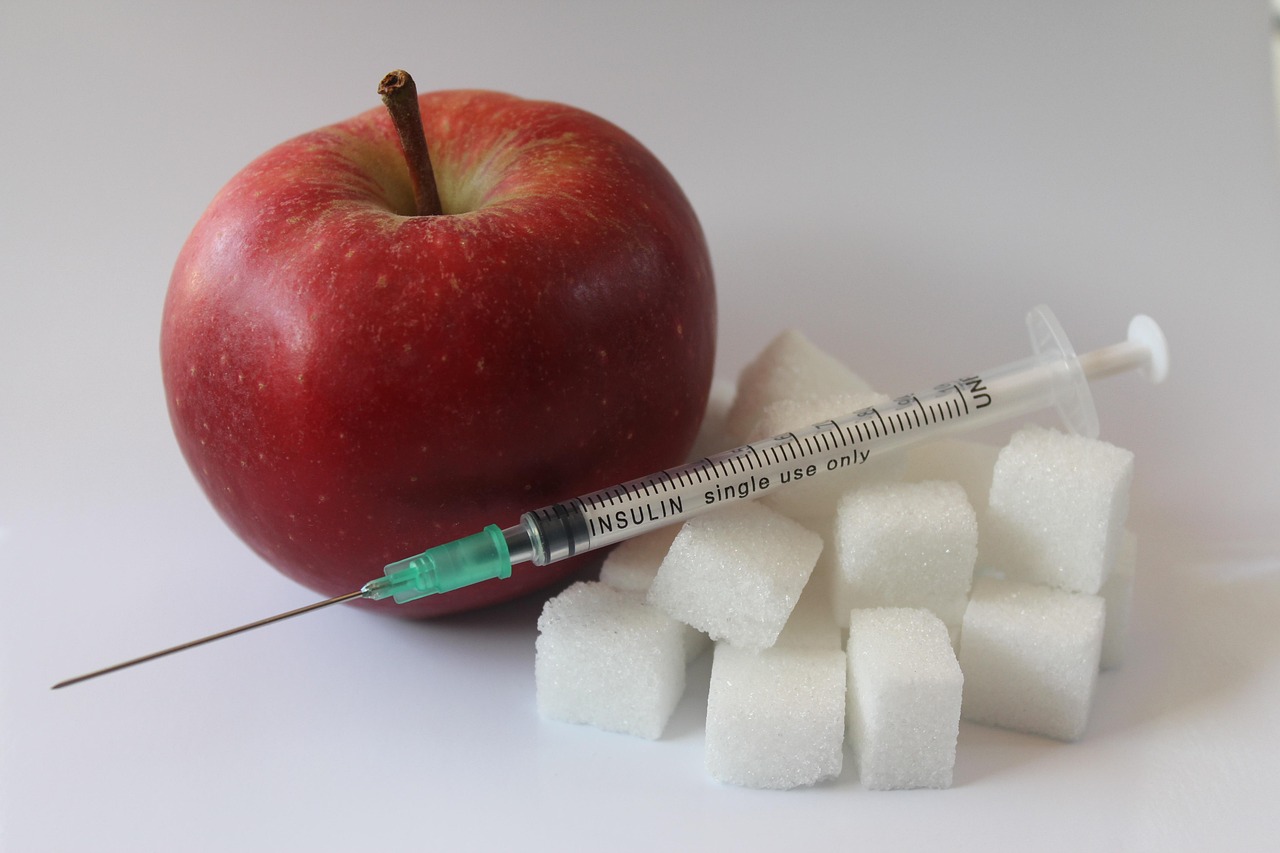

The Influence of Intermittent Fasting on Insulin and Endocrine Function
Intermittent fasting (IF) is gaining traction as an effective dietary approach. It encompasses various methods, such as the 16/8 method or alternate-day fasting. A primary focus of research is the impact of IF on insulin sensitivity and hormonal balance. Insulin sensitivity is a crucial factor for metabolic health, as enhanced sensitivity can lead to better glucose management. Studies have suggested that IF may lead to decreased levels of insulin, resulting in enhanced fat oxidation and decreased fat storage. This change is favorable for those looking to lose weight or maintain a healthy lifestyle. Many proponents of IF argue that this method allows not only for weight loss but also for improved overall health, including reduced inflammation and better lipid profiles. Moreover, the research continues to identify the relationship between fasting, insulin, and other hormones such as ghrelin and leptin, which are essential for hunger signaling. Therefore, understanding the effects of IF on these hormones can provide insight into appetite regulation and weight control strategies. This growing body of research reveals the potential benefits of IF beyond mere caloric restriction.
In the context of intermittent fasting, insulin plays a vital role in carbohydrate metabolism and overall energy regulation. The hormonal response to fasting can trigger a series of adaptive changes, enhancing the body’s ability to utilize stored fat for energy. When fasting occurs, insulin levels drop, allowing the body to shift from glucose metabolism to fat oxidation. This process improves insulin sensitivity which is particularly beneficial for individuals with insulin resistance or type 2 diabetes. Additionally, the decreases in insulin production contribute to a broader hormonal spectrum shift, affecting hormones such as glucagon, which promotes fat breakdown. During fasting periods, elevated glucagon levels work alongside lower insulin levels to create an optimal metabolic environment for fat loss. Research has also linked IF to improvements in blood sugar levels and overall metabolic health. Followers of intermittent fasting often report increased energy levels and reduced cravings, which may stem from stable insulin levels throughout the fasting phase. Understanding the intricate relationship between fasting and insulin regulation is essential to maximizing the benefits of this dietary approach.
Effects on Other Hormones
Intermittent fasting not only influences insulin levels but also impacts a variety of other endocrine hormones. Hormones such as leptin and ghrelin, which regulate hunger and satiety, undergo significant changes during fasting periods. Leptin levels typically decrease during fasting, leading to increased appetite and a drive for food consumption when eating resumes. Conversely, ghrelin levels tend to rise during fasting, signaling hunger and stimulating appetite. This dynamic interplay between leptin and ghrelin is crucial for understanding how intermittent fasting can influence dietary behavior. Additionally, intermittent fasting has been associated with changes in cortisol, a hormone associated with stress. Some studies propose that fasting can help in regulating cortisol levels, promoting a healthier stress response. Balancing these hormones through intermittent fasting can lead to meaningful changes in eating habits and overall wellness. Furthermore, the modulation of these hormones may assist in setting up a healthier relationship with food. By becoming more aware of hunger cues, individuals can make more mindful dietary choices and improve their long-term health outcomes.
Research studies underscore the significance of intermittent fasting on metabolic markers such as insulin levels, cholesterol levels, and overall body composition. Multiple studies have reported enhanced fat loss and reduced belly fat among participants undertaking intermittent fasting. In addition to reducing fat mass, IF has been linked to improved cardiovascular health. Lower rates of hypertension and better lipid profiles are often observed in individuals practicing intermittent fasting. Some researchers suggest that it might reduce the risk of chronic diseases such as heart disease or diabetes. The repercussions of hormonal regulation during fasting extend beyond immediate weight loss and encompass long-term health benefits. It may even improve lifespan by reducing markers of aging and inflammation. The increase in autophagy during fasting is one mechanism that might contribute to these longevity benefits. Autophagy plays a crucial role in cellular repair and maintenance. Thus, intermittent fasting not only aids in weight management but can promote healthier biomarkers with potential longevity effects. Future research will likely delve deeper into these findings, revealing new insights into the intricate nature of fasting and hormonal regulation.
Practical Applications of Intermittent Fasting
Implementing an intermittent fasting regimen can be daunting for newcomers, which is why understanding its mechanics is crucial for success. Common approaches include the 16/8 method, where individuals fast for 16 hours and limit their eating to 8 hours. Alternatively, some people may choose the 5:2 method, where they consume a regular diet for five days and significantly reduce caloric intake on the other two days. Regardless of the approach, it’s essential to maintain nutritional adequacy during eating windows. This can be achieved by focusing on high-quality foods rich in nutrients, such as proteins, healthy fats, and fiber. Staying hydrated during fasting periods is also critical. Water, herbal teas, and black coffee are typically permitted and can help suppress appetite. Transitioning gradually into intermittent fasting allows the body to adapt. Individuals should listen to their bodies, being attentive to hunger cues and energy levels. Experimenting with various fasting durations can help ascertain what best fits one’s lifestyle. Consulting with a healthcare professional prior to initiating any fasting protocol may provide personalized guidance and ensure safety during the transition.
In conclusion, the impact of intermittent fasting on insulin and other hormones offers promising possibilities for improving health. The hormonal responses triggered by fasting impact not just weight management, but also metabolic health and overall wellness. As research continues to unfold on this topic, it showcases the profound influence of timing of food intake on hormone regulation. The potential benefits of improved insulin sensitivity, alongside favorable changes in satiety hormones, may provide a dual advantage for those looking to enhance their nutritional health. However, individuals must recognize that intermittent fasting is not a one-size-fits-all approach. Effective implementation requires understanding personal needs and dietary preferences. Users are encouraged to consider their medical history and lifestyle when determining the appropriateness of fasting. New strategies will emerge to adapt intermittent fasting principles to fit various demographics and personal health goals. Future studies may provide deeper insights into the long-term effects of this dietary approach. This understanding may help craft tailored programs that optimize health benefits without compromising diet quality and nutrient intake, allowing individuals to achieve lasting results.
Summarizing the influence of intermittent fasting, its effects on insulin and other hormones cannot be understated. Researchers remain dedicated to uncovering the full scope of benefits, challenges, and mechanisms associated with this dietary regimen. Continuous exploration highlights how intermittent fasting may ultimately support healthier lifestyles, while fostering better metabolic regulation. By grasping the advancements made in this field, individuals can make informed choices. The dialogue around intermittent fasting continues to gain momentum as more individuals share experiences and findings in various online forums and community discussions. These platforms facilitate knowledge exchange and help clarify misconceptions surrounding fasting. As intermittent fasting continues to evolve and gain popularity, it’s essential to approach it with an open mind. Success is often embedded in understanding one’s specific circumstances. Therefore, the exploration of effective fasting practices is a collaborative journey. Good practices are rooted in science yet adaptable to unique lifestyles. Intermittent fasting’s intriguing relationship with hormones provides a pathway for further research and discovery. This avenue of nutritional science is poised to yield valuable insights into achieving health optimization through advancements in our understanding of hormonal interplay and dietary interventions.
As we move forward in our understanding of intermittent fasting and its effects on hormones, educational resources for consumers will be essential. The need for precise information is paramount, allowing individuals to recognize how to implement and adapt fasting methods effectively. For those intrigued by intermittent fasting, reliable guidance can enhance the transition and ensure sustainable practices. By offering data-driven recommendations, tailored meal plans, and support, health professionals can aid in navigating this exciting dietary landscape. The integration of community support, educational materials, and healthcare insights can foster better adherence to fasting protocols. The journey toward understanding and applying intermittent fasting can be greatly enhanced by interdisciplinary collaborations. Nutritionists, endocrinologists, and trainers can work together to develop comprehensive strategies geared toward diverse populations. This cooperation may provide innovative solutions that enhance the effectiveness of intermittent fasting, ensuring it meets an individual’s nutritional needs. As new research emerges, it will further illuminate the relationship between intermittent fasting, insulin, and the intricacies of hormonal health. Properly regulating these factors will ultimately empower both practitioners and individuals striving for optimal wellness through informed dietary choices.