
Natural Antioxidants for Muscle Repair Compared to Supplement Options
Post-workout nutrition is critical for recovery and muscle repair. Athletes often debate whether to rely on natural foods or supplements for optimal recovery. Natural foods provide a plethora of nutrients, including vitamins, minerals, and antioxidants, that promote muscle repair. Foods such as berries, nuts, and green leafy vegetables are exceptional sources of antioxidants, which aid in reducing inflammation and muscle soreness. Supplements, while convenient, may not deliver the full spectrum of benefits offered by whole foods. Additionally, natural foods support the body’s physiological processes more holistically than processed supplements. Flavonoids and polyphenols found in natural foods have been extensively researched and shown to support cell recovery. Contrary to this is the argument that supplements can provide concentrated doses of these nutrients quickly. Choosing between them depends on individual preferences and performance goals. Furthermore, timing nutrition after workouts plays a crucial role in recovery effectiveness, emphasizing the need for proper planning. Each approach has its own merits, and understanding these will guide athletes in their choices for post-workout recovery.
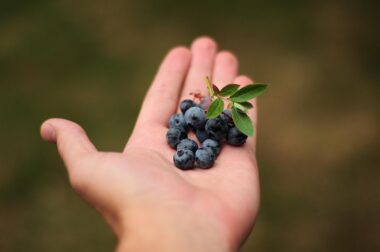
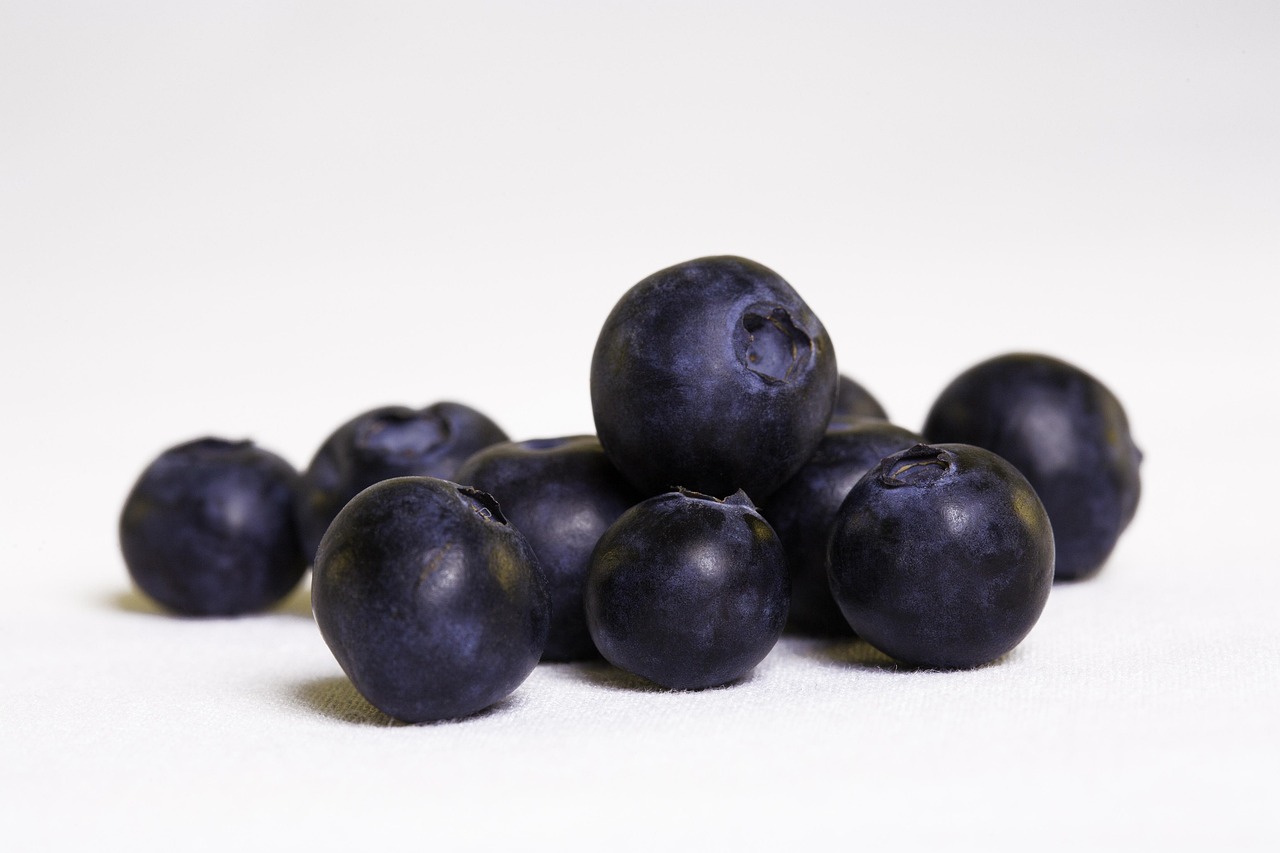
When considering natural foods, berries emerge as a powerhouse for post-workout recovery. Notably, blueberries and strawberries are rich in antioxidants that combat oxidative stress caused by intense workouts. This oxidative stress can hinder muscle repair and recovery, negatively impacting performance. Including a variety of berries in your post-workout meal can help minimize this stress, thanks to their unique phytochemicals. Moreover, natural sugars in berries can replenish glycogen stores, providing additional energy for muscle recovery. Furthermore, these fruits are low in calories, making them an excellent choice for those looking to manage weight while enhancing recovery. Incorporating berries into smoothies or protein shakes can make them more palatable and nutritious. Unlike supplements, they contain a complex matrix of nutrients and fibers that facilitate better absorption. Additionally, glycemic index considerations come into play, as berries generally promote a better glycemic response than refined sugars often found in some supplements. By prioritizing natural foods, athletes can enjoy holistic health benefits while promoting optimal muscle repair and recovery.
Benefits of Supplementing Antioxidants
Supplementing with antioxidants post-workout can be effective for muscle recovery but is often not as beneficial as whole foods. These supplements, such as vitamin C and E, are designed to combat oxidative stress. They can provide fast relief from muscle soreness and inflammation. For athletes who require rapid recovery, supplements may offer an immediate solution when natural food sources are not available. However, over-reliance on supplements can lead to imbalanced nutrient intake, substituting whole foods that provide additional synergetic benefits. Maintaining a natural diet rich in fruits and vegetables ensures intake of various nutrients necessary for overall health. On the other hand, antioxidant supplements can help fill in gaps when athletes face dietary restrictions. It’s vital to choose high-quality supplements from reputable brands to avoid unnecessary additives. Considering the proper dosage of supplementation is important to maximize benefits without impeding performance. While supplements may seem beneficial, they should ideally complement a diet rich in natural foods for sustained long-term health and recovery. Understanding the role of antioxidants will guide your nutrition decisions effectively.
A popular category of supplements includes protein powders, frequently used for muscle recovery. Whey protein, for example, is known for its quick absorption, providing amino acids necessary for muscle repair. It can substantially lower the duration of muscle soreness. However, while supplements are convenient, they cannot replace the complex nutritional profiles found in whole foods. Whole protein sources like chicken, fish, and legumes offer not only protein but also essential micronutrients. Additionally, dietary fiber from natural sources aids digestion and overall health. Protein powders can often have artificial sweeteners or fillers that can lead to digestive discomfort for some individuals. Hence, integrating clean protein sources from natural foods can ensure greater nutrient density and easier digestion. Combining proteins with antioxidant-rich foods can further enhance recovery. Yogurt topped with berries or a smoothie with spinach can significantly improve nutrient intake. Therefore, while supplements can contribute to post-workout nutrition, they should be viewed as adjuncts rather than substitutes. Ultimately, prioritizing natural methods can enhance health and performance sustainably.
Timing and Configuration of Post-Workout Nutrition
Proper timing of post-workout nutrition is crucial for optimizing recovery. Consuming nutrients shortly after exercise is known to accelerate the recovery process. The anabolic window, typically within 30 to 60 minutes post-exercise, is considered an ideal time to replenish glycogen stores and repair muscle tissue. Natural foods can be strategically incorporated during this critical timeframe. For example, a smoothie made from bananas, spinach, and protein powder can provide essential carbohydrates and proteins. On the other hand, many athletes turn to supplements due to their quick preparation time, which can fit busy schedules. However, it’s important to note that consuming whole foods can enhance nutrient uptake efficiency. Moreover, hyper-focused supplements might overshadow the benefits of eating a balanced meal containing carbohydrates, proteins, healthy fats, and fiber. Pairing foods like sweet potatoes or brown rice with lean protein can promote overall health. Striking a balance between food types is essential for personalized nutrition plans. Evaluating individual preferences and lifestyle can help determine the best nutrition strategy for each athlete.
Incorporating diverse food options is crucial for ensuring a well-rounded intake of nutrients. Foods like nuts, seeds, fatty fish, and whole grains also contain antioxidants and omega-3 fatty acids. These can greatly influence recovery speed and overall muscle repair. For instance, salmon is rich in omega-3s, reducing inflammation and promoting muscle recovery. Almonds and walnuts, packed with antioxidants, serve as perfect snacks for post-workout replenishment. Each food contributes a unique profile, highlighting the importance of variety in recovery diets. Supplements often lack this diversity, posing a risk of nutrient missing. Furthermore, whole foods can enhance mental satisfaction and enjoyment through varied textures and flavors. Athletes should not underestimate the psychological aspect of eating for performance; enjoying meals can lead to better adherence to nutrition plans. Additionally, digestive health is supported through the fiber found in fruits, vegetables, and whole grains. Thus, a diet comprising a wide array of nutrient-dense foods will yield better results compared to an over-reliance on supplements. Emphasizing food variety can foster not just recovery but overall wellness.
Conclusion: Choosing the Right Options
Choosing between natural foods and supplements for post-workout recovery involves a careful evaluation of personal preferences, goals, and health implications. Both strategies have merits; however, natural foods provide a holistic approach, complete with the myriad benefits of nutrients acting synergistically. Antioxidants, vitamins, and minerals work together in ways that isolated supplements may not replicate. Additionally, the risk of supplement-related side effects can be mitigated by opting for whole food alternatives. Ultimately, combining both options may yield the most effective results. Using supplements, when necessary, should always complement a well-rounded diet of natural foods rich in nutrients. Paying attention to individual body responses and adjusting accordingly can lead to optimal performance. Regularly incorporating antioxidant-rich foods and strategically supplementing when needed will foster ongoing muscle recovery and enhance overall health. Therefore, fostering a nutritious eating pattern enriched with diverse whole foods while mindful of the strategic use of supplements can contribute greatly to performance gains and favored recovery outcomes for athletes strive for excellence.
When considering natural foods, berries emerge as a powerhouse for post-workout recovery. Notably, blueberries and strawberries are rich in antioxidants that combat oxidative stress caused by intense workouts. This oxidative stress can hinder muscle repair and recovery, negatively impacting performance. Including a variety of berries in your post-workout meal can help minimize this stress, thanks to their unique phytochemicals. Moreover, natural sugars in berries can replenish glycogen stores, providing additional energy for muscle recovery. Furthermore, these fruits are low in calories, making them an excellent choice for those looking to manage weight while enhancing recovery. Incorporating berries into smoothies or protein shakes can make them more palatable and nutritious. Unlike supplements, they contain a complex matrix of nutrients and fibers that facilitate better absorption. Additionally, glycemic index considerations come into play, as berries generally promote a better glycemic response than refined sugars often found in some supplements. By prioritizing natural foods, athletes can enjoy holistic health benefits while promoting optimal muscle repair and recovery.