
Is It True That Women Should Avoid Heavy Lifting?
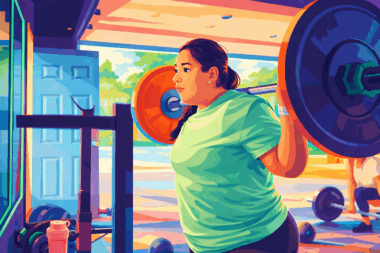
Strength training is often surrounded by various myths, particularly concerning women’s participation in heavy lifting. One common misconception is that women should avoid such activities to maintain their femininity. This belief is rooted in outdated gender stereotypes that mistakenly associate strength training solely with male athletes. The truth is that heavy lifting offers numerous benefits for women, including improved strength, body composition, and bone density. In fact, women can achieve their fitness goals and enhance their physical capabilities by incorporating heavier weights into their routines. Research has shown that resistance training can boost metabolism and increase muscle mass, which is essential for achieving a toned physique. Moreover, lifting heavier weights can help to combat age-related muscular decline, making it crucial for overall health. This myth can discourage women from experiencing the empowering effects of strength training. It’s important to rethink these outdated notions and advocate for heavier lifting among women. By challenging these stereotypes, women can embrace their strength and redefine their fitness journey. Empowerment comes from understanding the benefits of strength training, and heavy lifting can be an empowering practice.
Many fears surrounding heavy lifting stem from misconceptions about body image. Some women worry that lifting heavy weights might lead to a bulky physique rather than a lean look. However, achieving a bulky appearance is primarily influenced by genetics and diet, not merely by lifting weights. Strength training with heavier weights encourages muscle growth while also burning fat, which can lead to a more toned body. It’s crucial for women to recognize that building muscle successfully typically requires a well-planned regimen that emphasizes nutrition and recovery. Women naturally have lower testosterone levels than men, making it harder for them to gain bulk like their male counterparts. As a result, they are more likely to achieve a sculpted figure through strength training without looking overly muscular. By focusing on form and progressively increasing resistance, women can achieve desired physical changes. Furthermore, heavy lifting can enhance physical performance and increase functional strength in daily life. This makes strength training not only a tool for aesthetics but also one for practical, functional living. Understanding these facts is essential in debunking myths and enabling women to embrace heavy lifting as an integral part of their fitness regimen.
Health Benefits of Heavy Lifting
When we think about the health benefits of strength training, heavy lifting stands out. Engaging in resistance training effectively combats osteoporosis, a condition that weakens bones over time. Heavy lifting not only strengthens muscles but also promotes bone density, significantly reducing the risk of fractures. Moreover, studies have demonstrated that strength training improves overall metabolism, allowing for more efficient calorie burn even at rest. This can be particularly beneficial for weight management. In addition, heavy lifting helps to improve posture and balance. These factors are crucial in preventing injuries, especially in women, who may face unique health challenges. Furthermore, strength training is associated with enhanced mental health benefits, such as reduced symptoms of anxiety and depression. The endorphins released during exercise can significantly boost mood, leading to a greater sense of well-being. Another remarkable benefit is the ability to enhance functional physical ability, enabling women to perform daily activities with ease. Resistance training contributes to a more capable and confident self, fostering empowerment in various aspects of life. Thus, it is vital to embrace heavy lifting as a key component of a holistic health approach suitable for women.
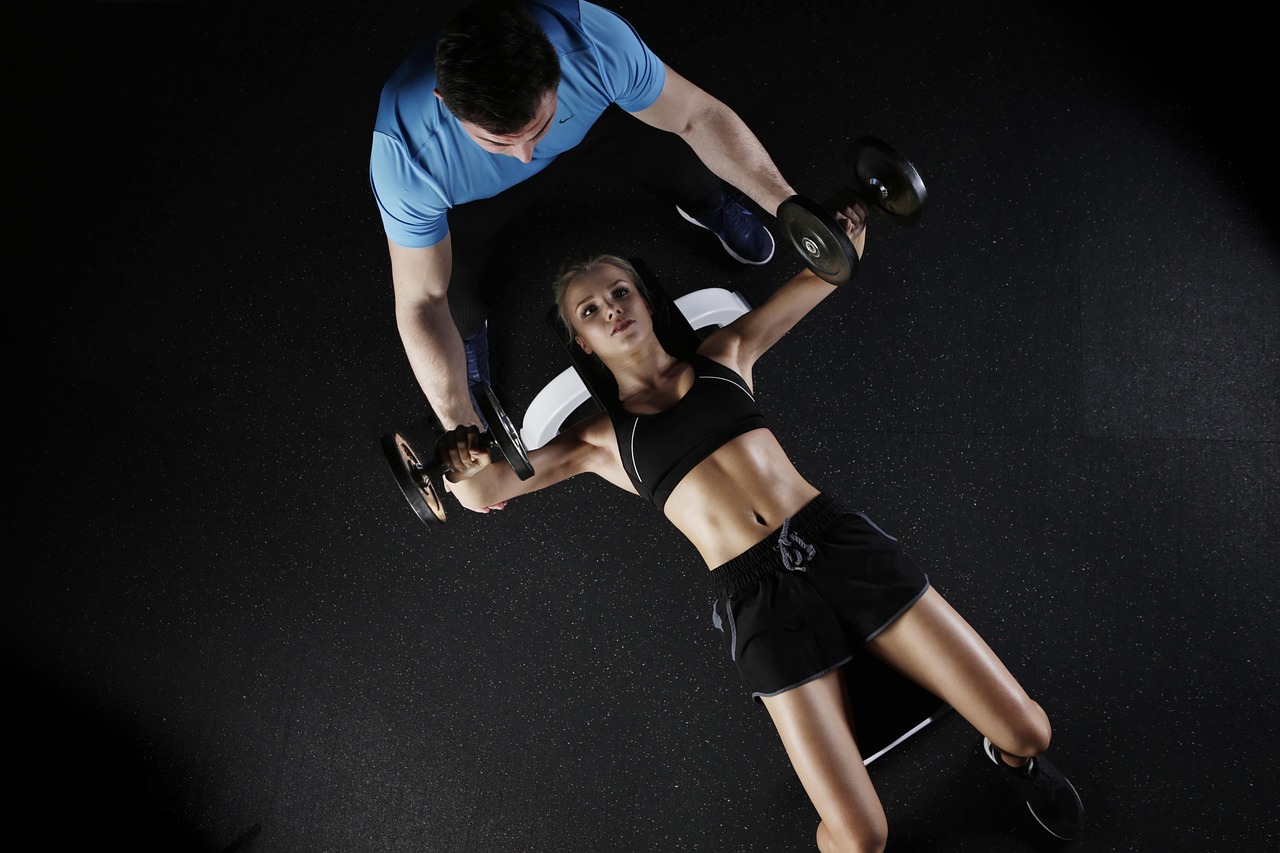
Combining strength training with other forms of exercise can lead to optimal health outcomes for women. A balanced fitness routine often includes cardiovascular activities alongside strength training. This combination allows the body to benefit from both aerobic endurance and muscle development. Engaging in heavy lifting alongside cardio can also improve heart health, as elevated muscle mass helps in regulating blood pressure and cholesterol levels. Moreover, it encourages better blood sugar control, reducing the risk of chronic diseases such as diabetes. Understanding the holistic view of fitness can inspire more women to include heavy lifting in their workout routines. It’s not merely about lifting weights; it’s about cultivating a lifestyle that prioritizes health and well-being. By including a variety of activities in their fitness regimens, women can develop a comprehensive approach to their health. Different types of exercises can complement each other, enhancing overall effectiveness. Additionally, working with a trainer can provide guidance on creating a well-rounded program tailored to individual goals and needs. Education and community support are essential in this journey, encouraging more women to participate in heavy lifting for overall health benefits.
The Importance of Education and Support
Furthermore, education and support play pivotal roles in overcoming myths about strength training. Many women may feel intimidated by the thought of lifting heavy weights, often due to lack of knowledge or experience. This apprehension can be diminished through educational resources, workshops, and training sessions focused on strength training. Access to well-informed coaches can empower women to develop proper lifting techniques and strategies tailored to their specific needs. Women should be encouraged to seek information through credible sources, recognizing that guidance is essential for building confidence in strength training. Online communities and support groups can also inspire women to engage in heavy lifting and share their experiences. These platforms can provide motivation, encouragement, and an understanding that they’re not alone in their fitness journey. Additionally, personal testimonials from women who have embraced heavy lifting can be powerful motivators. By showcasing successful role models, it becomes easier for others to envision their potential. These stories can resonate deeply and inspire women to break free from societal expectations and embrace their own strength. Thus, education and supportive communities can help demystify strength training for all women.
As we’ve discussed, one of the essential aspects of fitness is consistency. For women interested in heavy lifting, developing a routine that fits their lifestyle is key. Progress in strength training is not always linear, and patience is crucial. Setting achievable goals allows women to recognize milestones, fostering motivation over time. A focus on progressive overload can lead to continued growth in strength and fitness. This principle involves gradually increasing weights, intensity, or volume over time. A structured program that respects personal limits while encouraging gradual progression is vital. Furthermore, integrating rest and recovery into the routine promotes muscle healing, preventing injuries. Women should not shy away from scheduled rest days; they are crucial for recovery and growth. Moreover, tracking progress enables reflection on achievements, understanding what works and what needs adjustment. This can be done with fitness apps, journals, or support from trainers. All of these contribute to establishing a sustainable routine that not only strengthens the body but also promotes confidence. Consistency can transform not just the physical body but elevate overall mental well-being. Therefore, it is crucial to prioritize these aspects as one commits to heavy lifting.
Conclusion
To conclude, the myth that women should avoid heavy lifting is outdated and unfounded. Women can significantly benefit from incorporating strength training into their fitness routines, including heavy weights. The advantages of resistance training are far-reaching, promoting better health, enhanced confidence, and an empowered sense of self. Overcoming societal stereotypes about women in strength training is crucial; it is time to embrace a culture that encourages all women to lift heavy and reap the rewards. In addition to the physical benefits, women can connect with like-minded individuals who share similar fitness journeys, fostering community and support. By prioritizing education and dispelling myths, we can create an environment that encourages women to adopt strength training without fear or hesitation. Every woman deserves the opportunity to experience the empowerment and numerous health benefits associated with strength training. It is essential to advocate for lifting heavy as a means of personal growth, physical health, and self-acceptance. Ultimately, challenging these myths leads to a more inclusive approach to fitness, one that celebrates the strength of women in all its forms.
In recent years, voice technology has transformed consumer interactions with businesses, combining convenience and efficiency. Unlike traditional forms of customer engagement, voice technology allows users to speak naturally and receive real-time responses, enhancing user experience. This not only increases customer satisfaction but also provides businesses with valuable insights into customer preferences. Enhanced accessibility is a vital aspect of voice technology, benefiting the elderly and the disabled significantly. Furthermore, voice technology enables a hands-free experience, ideal for multitasking individuals. For example, people can simply ask for recommendations or make purchases while cooking, driving, or exercising. Businesses that adopt this technology demonstrate adaptability and forward-thinking, appealing to a tech-savvy audience. It’s important for organizations to incorporate voice AI developments into their customer service strategy. Implementation can lead to cost savings, improved efficiency, and a competitive edge in the marketplace. However, companies must also consider the challenges that come with this transition, such as ensuring data security and managing user privacy. This evolving technology opens new doors for enhanced interaction and engagement, reshaping the way consumers and businesses connect and communicate.