
Incorporating Fiber-Rich Foods into Your Daily Meals
Fiber-rich foods are essential for maintaining a balanced diet, as they contribute to overall health and help manage weight effectively. Integrating a variety of fiber sources can enhance your meal planning strategies. Consider including whole grains like quinoa, brown rice, and barley; they provide excellent fiber content and promote a healthy digestive system. Additionally, fruits such as apples, bananas, and berries offer naturally occurring fibers called pectin and cellulose. These fruits can easily fit into breakfast or be enjoyed as snacks. Vegetables play a crucial role in adding fiber to meals; leafy greens, carrots, and broccoli should be staples in your kitchen. Incorporating legumes like lentils and chickpeas into your meals provides protein alongside fiber, which can also keep you feeling fuller longer. Aim to make fiber a part of every meal and snack. As you experiment with food combinations, you will discover enjoyable ways to reach your fiber intake goals. Not only will you feel energized, but your digestion will also likely improve, significantly benefiting your overall well-being. Remember, making gradual changes is key to developing lasting habits in healthy meal planning.
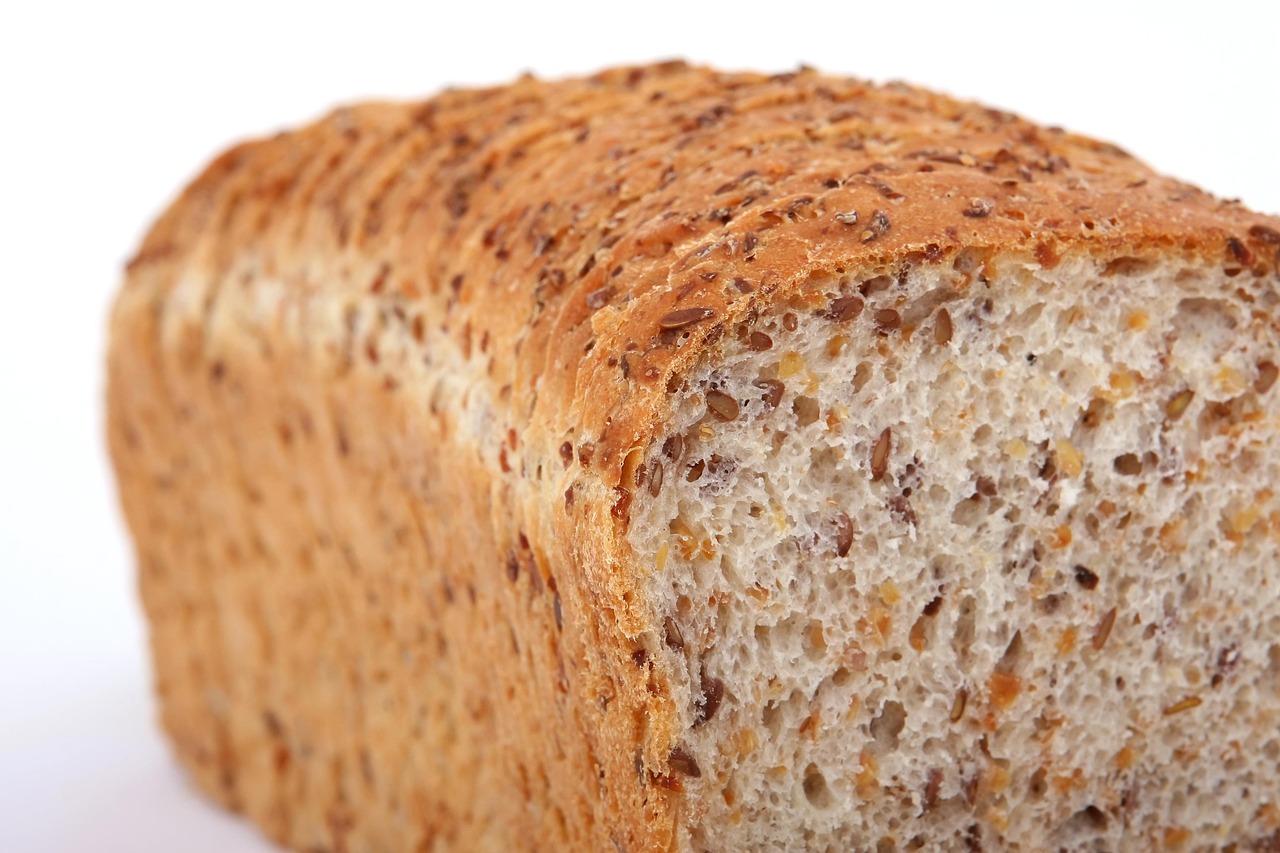
One effective strategy for increasing fiber intake is to choose whole foods over processed options. Whole foods, such as oats, fruits, and vegetables, contain more fiber than their refined counterparts. For example, instead of eating white bread, opt for whole grain or multigrain options. Similarly, when purchasing pasta, select whole wheat versions to ensure a higher fiber content. Making these switches doesn’t require drastic changes; gradual incorporation of these foods can promote tolerance and acceptance. Meal prepping can also aid in successfully reaching daily fiber goals. Schedule a time each week to prepare fiber-rich meals, such as vegetable-packed soups or salads, and store them in the refrigerator for easy access. Focus on keeping a variety of beans and legumes on hand, as they can easily be added to countless recipes. Increasing water intake is equally important when boosting fiber since fluids help keep bowel movements regular. A general recommendation includes drinking at least 8 cups of water daily, which can assist in digesting high-fiber foods. By pairing fiber with adequate hydration, your body can effectively utilize the benefits of the nutritious foods you consume.
Understanding the Benefits of Fiber
Fiber isn’t just a nutrient; it is an essential component of a healthy diet that offers numerous advantages. Diets rich in fiber can enhance cardiovascular health by helping to lower cholesterol levels and reduce the risk of heart disease. Furthermore, fiber aids in controlling blood sugar levels, making it beneficial for individuals with diabetes. Through its ability to slow down digestion, fiber assists in maintaining steady blood glucose levels. A high-fiber diet can also prevent constipation and promote regularity by increasing stool bulk and enhancing intestinal function. Various studies suggest that a diet abundant in fiber may lower the risk of certain cancers, including colon cancer. Including fiber in your meals can also improve weight management due to its satiating properties. As you eat fiber-rich foods, you may feel fuller quicker, which helps control overeating and snacking between meals. Aim for a daily intake of 25 to 30 grams of fiber to reap these benefits, and carefully monitor how introducing new fiber-rich foods impacts your digestion and overall health. Embracing fiber can profoundly improve your vitality and longevity.
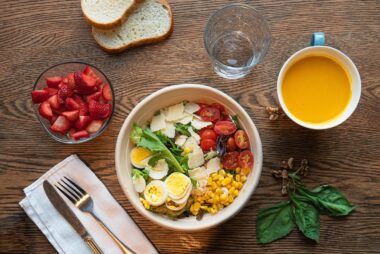
Preparing fiber-rich meals doesn’t have to be complicated. Focus on meal diversity using various ingredients that will contribute to your fiber intake. For instance, try creating a veggie stir-fry that includes an array of colorful vegetables, lentils, and quinoa for added protein. Breakfast provides an excellent opportunity to pack in fiber by including oats with chia seeds, berries, and sliced almonds topped with yogurt. Even smoothies can be a robust source of fiber; blending spinach, a banana, and flaxseed creates a nutrient-dense beverage for on-the-go nutrition. Snacks are another essential aspect of meal planning. Choose snacks such as air-popped popcorn, cut vegetables with hummus, or whole grain crackers topped with avocado. Implement creative approaches to incorporate fiber into your dinners too, like zucchini noodles or cauliflower rice that serve as excellent low-carb options. You can also add chickpeas, black beans, or kidney beans to salads, soups, and grain dishes. The more enjoyable your meals are, the more likely you’ll stick with your healthy meal planning goals!
Tips for Introducing Fiber Gradually
Introducing fiber-rich foods gradually is crucial for minimizing digestive discomfort. If you don’t regularly consume fiber, rapidly increasing your intake can lead to bloating or gas. Instead, integrate fiber sources into your meals slowly over time. Begin with easy-to-digest options like cooked vegetables or fruits. Gradually increase portions of beans or lentils as your body adjusts to processing fiber. It is also beneficial to keep a food diary to track your fiber intake and observe which foods work best with your system. Monitoring your body’s reactions can help tailor your diet to your unique needs. Aim to maintain a balance of soluble and insoluble fibers, as both contribute to overall health and wellness. Soluble fiber found in oats, barley, and legumes can help manage cholesterol levels. Conversely, insoluble fiber found in whole grain products and vegetables promotes regularity and aids digestion. Incorporate a variety of fiber types to ensure you’re meeting diverse nutritional requirements, enhancing your body’s ability to adapt, and improving overall health outcomes.
Involving family members in the journey toward fiber-rich eating can enhance motivation and make the process more enjoyable. Encourage collaboration in meal planning and shopping by organizing a family cooking night devoted to trying new recipes that boast high fiber content. Use this opportunity to teach your loved ones about the significance of nourishment and share tips about health benefits, creating a supportive environment. Children may be more inclined to eat fiber-rich foods if they partake in cooking, as they feel ownership over their meals. Add fun elements to healthy meals, such as colorful fruits and veggies arranged creatively on their plates! Leverage food-themed games or videos to spark excitement and curiosity towards nutritious ingredients. Involving family members fosters connections while enhancing healthy habits. Consider taking a trip to a farmers market to explore the variety of fresh produce available. Discussing nutrition while shopping allows everyone to learn about food choices and fiber-rich options. This united involvement empowers your family to embrace fiber-rich eating enthusiastically, creating lasting healthy habits.
Final Thoughts on Fiber-Rich Meal Planning
In conclusion, incorporating fiber-rich foods into daily meals provides significant benefits, impacting long-term health and quality of life. Emphasizing whole foods and gradually introducing different sources ensures a positive experience as you work toward your nutritional goals. Focus on variety by experimenting with grains, fruits, and vegetables, as this not only enhances the flavor but also optimizes nutrient intake. Cooking and enjoying meals as a family helps foster lasting habits that promote healthy eating. Maintaining consistency is vital when it comes to experiencing the advantages of fiber, so remember to keep your hydration levels up and actively seek new recipes to keep meal planning exciting. As you progress on your journey to better health, notice the improvements in digestion, energy levels, and overall well-being. A balanced approach, which includes a variety of fiber sources, will help you cultivate a sustainable, healthy lifestyle. By making informed choices, you’ll not only enjoy delicious meals but also support your body’s ongoing needs for fiber-rich nutrition.