
How Wearable ECG Monitors Help Detect Arrhythmias Early
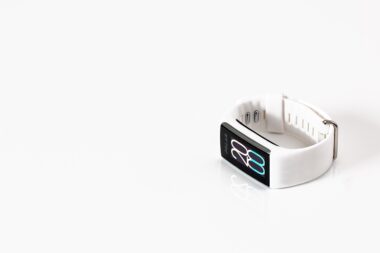
Wearable ECG monitors have revolutionized the way cardiovascular health is monitored, allowing individuals to track their heart rhythms in real-time. These devices provide essential data that was once only accessible in a clinical setting, making it easier for people, especially those prone to arrhythmias, to monitor their heart health from the comfort of their homes. The technology behind these monitors is sophisticated yet accessible, often featuring smartphone apps for easy data viewing. With the ability to store heart rate data over time, wearers can view trends and monitor changes that may indicate deeper issues. This data-driven approach empowers users to take proactive steps in their health management. Importantly, these devices can detect anomalies in heart rhythms, providing early warnings of potential arrhythmias. Users are alerted to irregularities and encouraged to seek medical advice, which may prevent severe complications. Regular monitoring through wearable ECGs can build habits around heart health, ultimately promoting a healthier lifestyle. As technology improves, wearable monitors will become even more precise, making early detection of arrhythmias more effective and user-friendly, potentially saving lives.
Medical professionals have begun to embrace wearable ECG monitors as valuable tools for patients with known cardiac conditions. The usual clinical settings usually involve attending doctor appointments and undergoing examinations. However, these devices offer continuous monitoring, allowing healthcare providers to receive real-time data about their patients. Such data can enhance doctors’ decision-making, enabling them to personalize treatment plans according to the detected arrhythmias. The ease of use of wearable ECG monitors reduces the need for invasive tests that are often stressful and uncomfortable for patients. They can effectively be deployed in various environments, including at home, during exercise, or even at work. Additionally, many monitoring devices come with alert systems capable of notifying medical staff immediately of any alarming irregularities, ensuring swift intervention when necessary. The integration of these devices into standard medical practices has the potential to enhance patient outcomes significantly. By using telemedicine technology, doctors can analyze ECG data remotely. Hence, continuous cardiac monitoring becomes more feasible, bridging the gap between patients and healthcare professionals. This change signifies a pivotal shift in how patients manage their heart health and involve themselves in preventive care.
Moreover, the advent of mobile health applications complement wearable ECG monitors. These applications enhance the user experience, allowing for the organized tracking of heart rate data and arrhythmia incidents. Most of the modern applications are designed to be user-friendly, facilitating interaction even for those who may not be tech-savvy. Features often include visualizations of heart rate trends and actionable insights, which can educate users about their cardiovascular health. Many apps also integrate with other health devices, creating a comprehensive wellness ecosystem. This connectivity promotes accountability and encourages users to stay engaged with their health. Additionally, some applications offer community features, where users can share their experiences and tips on managing arrhythmias effectively. Integration with other monitoring devices, such as fitness trackers, means a holistic view of health is possible. Users can correlate physical activity with heart rate changes, further emphasizing the importance of lifestyle choices. Effective data management apps serve as educational platforms, explaining the significance of heart rhythms and orienting users on when to seek medical advice. This support plays a crucial role in empowering individuals to take proactive steps towards better heart health.
The Benefits of Continuous Monitoring
Continuous monitoring provided by wearable ECG devices offers profound benefits for early detection of arrhythmias. Users can make informed decisions about their health when they are aware of their normal heart rhythms. By setting personalized thresholds within the monitoring applications, users can receive alerts if there are any significant deviations. This immediate feedback can prove invaluable, as early intervention often leads to better health outcomes. Ongoing data also facilitates remote consultations with health professionals, offering better context during medical evaluations. Rather than sporadic assessments, this continuous data stream presents a holistic view of a patient’s heart health. Moreover, identifying triggers for irregular heart rhythms becomes easier. Individuals can connect their activities and symptoms, providing insights into lifestyle factors that may contribute to arrhythmias. For those with conditions like atrial fibrillation, continuous monitoring lets them keep track of their heart status, thereby increasing awareness. Many of these monitors also empower users with educational resources; by understanding their data themselves, individuals can engage more meaningfully in their care. Overall, enhanced monitoring promotes a proactive instead of reactive approach to managing cardiovascular health, cultivating greater peace of mind for users.
Despite the numerous benefits, it is essential to understand the limitations of wearable ECG monitors. While these devices are a remarkable advancement, they should not completely replace conventional medical evaluations and cardiograms performed in clinical environments. They are also not infallible, with potential inaccuracies existing due to various factors like movement or poor sensor contact. Users must ensure the device fits correctly for optimal performance; poor placement can lead to false readings, generating unnecessary anxiety. Furthermore, data interpretation requires caution; incorrect self-diagnosis can lead to problems, such as ignoring genuine symptoms due to misplaced confidence in device accuracy. Therefore, it is vital for users to maintain a good relationship with their healthcare provider, discussing wearable data with them regularly. This collaborative approach enhances understanding and ensures that any alarming signs are properly managed. Education about device limitations is crucial in enhancing user engagement. A partnership between technology, healthcare professionals, and patients must be supported, driving patient care towards the best possible outcomes. Ultimately, wearable ECG monitors serve best alongside traditional health practices, establishing a comprehensive health monitoring system.
Future of Wearable Technology in Cardiac Health
As technology continues to evolve, the future of wearable ECG monitors looks promising. Innovations in sensor technologies and artificial intelligence are expected to enhance the accuracy and capabilities of these devices drastically. For instance, advancements in machine learning algorithms can refine how these monitors detect arrhythmias, minimizing false alerts and improving diagnostic accuracy. Future wearable ECG devices could also integrate additional biometric measurements, like oxygen levels or respiratory rates. This would create comprehensive health profiles that yield deeper insights into overall well-being. Data security and privacy will remain paramount as these devices become more common. Users will require reassurance that their sensitive information is protected while using advanced monitoring technologies. Manufacturers are expected to invest more in encryption technologies to secure personal health data. Hybrid devices that function not only as ECG monitors but also as fitness and wellness trackers will likely emerge. This will allow users to have versatile tools that cater to various aspects of health management. As research continues, novel features like predictive analytics may allow these devices to foresee potential health risks before they manifest, further promoting preventive healthcare.
In conclusion, wearable ECG monitors represent a significant step forward in personal health management, particularly for those at risk of arrhythmias. Their ability to provide continuous monitoring and immediate feedback empowers users to take control of their heart health proactively. By combining technological advancements with user-friendly applications, these devices transform how individuals perceive their cardiovascular wellness. Furthermore, the collaborative potential between patients and healthcare providers can lead to more personalized and effective treatment plans. The accessibility and user engagement afforded by these technologies encourage early detection and management of arrhythmias, which is crucial for long-term health. While limitations exist, the benefits clearly outweigh the drawbacks when used appropriately, integrating wearable technology with traditional medical practices. The anticipation of future innovations stirs excitement in the realm of cardiac health monitoring, promising even greater accuracy and utility. Ultimately, wearable ECG monitors herald a new era of preventive healthcare, allowing patients to remain active participants in maintaining their health. As these devices become more widespread, they also pave the way for advancements in telemedicine, ensuring timely intervention and innovative care solutions for all.