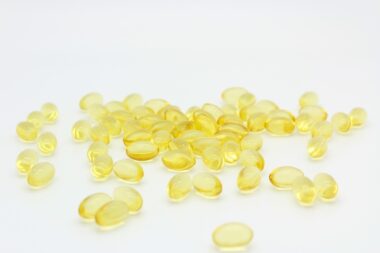

How Coenzyme Q10 Supports Cardiovascular Wellness
Coenzyme Q10, often shortened to CoQ10, is a naturally occurring antioxidant found in every cell of the human body. It plays a critical role in the production of energy within the mitochondria of cells. As we age, however, the levels of CoQ10 in the body can decline, impacting various bodily functions, including heart health. Many studies suggest that supplementing with CoQ10 can help promote cardiovascular wellness, primarily due to its antioxidant properties. By combating oxidative stress, CoQ10 can help protect the cells in the heart and blood vessels from damage. This protection is vital because oxidative stress is linked to the development of heart disease. Moreover, CoQ10 is known to enhance energy production, which may help in improving stamina and reducing fatigue. People experiencing heart issues often report feeling tired or weak, which can significantly impact their quality of life. Thus, taking CoQ10 as a supplement can provide much-needed support and vitality. Notably, it may also help regulate blood pressure and improve overall heart function. Increasing awareness about CoQ10’s effects on the heart is essential for supporting cardiovascular health.
In addition to its potential benefits for heart health, Coenzyme Q10 can also enhance overall wellness through various mechanisms. Research shows that it may improve endothelial function, which is essential for maintaining blood vessel health. The endothelium is the thin layer of cells lining blood vessels, and their proper functioning is crucial for vascular health. When endothelial function is compromised, it can lead to conditions such as atherosclerosis, atherosclerosis increases the risk of heart attacks and strokes. By promoting nitric oxide production, CoQ10 can help maintain elasticity in the blood vessels, allowing them to expand and contract effectively. This improved elasticity can lead to better blood flow and oxygen delivery to tissues, benefiting overall cardiovascular function. Additionally, CoQ10 may assist in reducing LDL cholesterol levels, further supporting heart health. High LDL levels are often associated with an increased risk of heart disease. Overall, incorporating CoQ10 into one’s daily regimen could serve as a preventive measure for cardiovascular diseases. As with any supplement, consulting with a healthcare professional before starting is essential to discuss appropriate dosages and specific health concerns.
Another factor to consider is how CoQ10 interacts with other medications commonly prescribed for heart health. For example, statins, widely used to lower cholesterol, are known to reduce natural levels of Coenzyme Q10 in the body. This reduction can lead to muscle pain or weakness, a known side effect of statin therapy. Some researchers suggest that supplementing with CoQ10 may alleviate these side effects, improving adherence to statin therapy. Patients taking statins should consult their healthcare professionals about the potential benefits of adding CoQ10 to their regimen. Clinical studies indicate that adding CoQ10 may help restore levels in the body and counteract the muscle-related side effects, ultimately leading to better outcomes for patients. Furthermore, some cardiovascular patients on other medications may also benefit from CoQ10 supplementation. This supplementation could potentially lead to improved heart function and reduced risks associated with elevated blood pressure, contributing to better health overall. However, individual needs and responses to supplementation can vary, emphasizing the importance of personalized healthcare advice.
Potential Side Effects of Coenzyme Q10
While CoQ10 is generally considered safe and well-tolerated, like any supplement, it can have side effects in some individuals. Commonly reported side effects include nausea, diarrhea, and stomach upset, particularly when taken in high doses. These symptoms are usually mild and may diminish over time as the body adjusts to the supplement. Some individuals may also experience insomnia or skin rashes after taking CoQ10, requiring attention and potential adjustment of the dose. Pregnant or breastfeeding women should exercise caution and consult their healthcare providers before taking CoQ10 to ensure safety for themselves and their infants. Additionally, interactions with other medications can occur; thus, individuals on blood-thinning medications should inform their healthcare provider about their intent to use CoQ10. While no severe adverse effects are widely reported, it is critical for users to understand their health status and potential interactions with their existing treatment plans. Those considering CoQ10 supplementation should prioritize sourcing it from reputable manufacturers to ensure quality and efficacy, as the supplement industry can vary greatly in standards and practices.
As research continues to unfold, science increasingly supports the significant role that Coenzyme Q10 may play in heart health and overall wellness. Studies show promising results regarding CoQ10’s potential in improving outcomes for patients with heart failure, hypertensive conditions, and metabolic disorders related to cardiovascular issues. Moreover, understanding inflammation’s role in heart disease adds another layer to the potential benefits of CoQ10. Coenzyme Q10 is believed to reduce markers of inflammation, which are commonly elevated in various cardiovascular ailments. By supporting the body’s natural defenses and countering inflammation, CoQ10 may aid in managing heart disease progression. Furthermore, the antioxidant properties of CoQ10 extend beyond cardiovascular benefits, as it also contributes to overall cellular health. This multifunctional aspect of CoQ10 makes it an appealing supplement not just for those with existing heart conditions but also for individuals aiming to maintain heart health proactively. The awareness about CoQ10 and its benefits emphasizes a growing trend towards holistic health approaches, where supplementation complements lifestyle modifications like diet and exercise.
Incorporating Coenzyme Q10 into Your Routine
Integrating Coenzyme Q10 into your daily health routine can be a straightforward endeavor. Available in various forms, including capsules, soft gels, and powdered supplements, CoQ10 can fit easily into any schedule or dietary preference. For those who prefer natural sources, foods like fatty fish, organ meats, whole grains, and various vegetables contain small amounts of CoQ10. However, achieving the therapeutic levels often studied in clinical trials typically requires oral supplementation. Many experts recommend starting with a low dose and gradually increasing to higher doses based on individual needs and tolerance. It’s vital to consume CoQ10 with a meal high in fat to enhance its absorption, as it is fat-soluble. When selecting a CoQ10 supplement, look for products that feature ubiquinol, the active form of CoQ10, which may provide enhanced bioavailability. When a supplement reflects quality through reputable certifications and third-party testing, users can have more confidence in its efficacy. Regular monitoring of health markers, alongside dietary changes, can provide measurable feedback on how CoQ10 is influencing cardiovascular wellness.
In conclusion, the potential benefits of Coenzyme Q10 for heart health are compelling. As an essential antioxidant, CoQ10 helps to safeguard cardiovascular systems from oxidative stress and enhances energy production at the cellular level. Users may experience improved stamina, better exercise tolerance, and reduced fatigue, positively impacting their quality of life. Beyond physical improvements, CoQ10’s role in vascular health, cholesterol regulation, and inflammation reduction makes it a valuable component of a holistic approach to health. This includes lifestyle adjustments such as exercise, proper nutrition, and stress management. With a growing body of research backing its uses, CoQ10 may appeal to individuals across various health spectrums, whether for prevention or management of existing heart health concerns. However, as emphasized throughout this article, consulting healthcare professionals is crucial in determining appropriate supplementation and management strategies. Personalization in health care ensures both safety and specific impact tailored to individual conditions and needs. Ultimately, embracing CoQ10 supplements could lead to significant strides in promoting lasting cardiovascular wellness and sustaining health as individuals age.
Coenzyme Q10 (CoQ10) is a natural antioxidant found throughout the body, playing a crucial role in energy production at the cellular level. It is particularly concentrated in organs that require the most energy, such as the heart, liver, and kidneys. As we age, the body’s natural production of CoQ10 decreases, which can adversely affect energy levels and overall health. This reduction has been linked to various health issues, particularly those related to cardiovascular function. Supplementation with CoQ10 can be beneficial for heart health, as it helps enhance mitochondrial function, leading to improved energy availability in the heart muscle. Studies have attributed potential benefits to CoQ10, including enhancement of heart function, supporting normal blood pressure levels, and offering protection against oxidative stress that can contribute to heart diseases. Additionally, CoQ10 has been observed to improve outcomes for patients with existing heart issues, such as heart failure and coronary artery disease. It can also enhance exercise tolerance in people who are experiencing fatigue due to chronic heart conditions. Thus, understanding the role of CoQ10 in cardiovascular health is vital for anyone seeking to enhance their well-being.