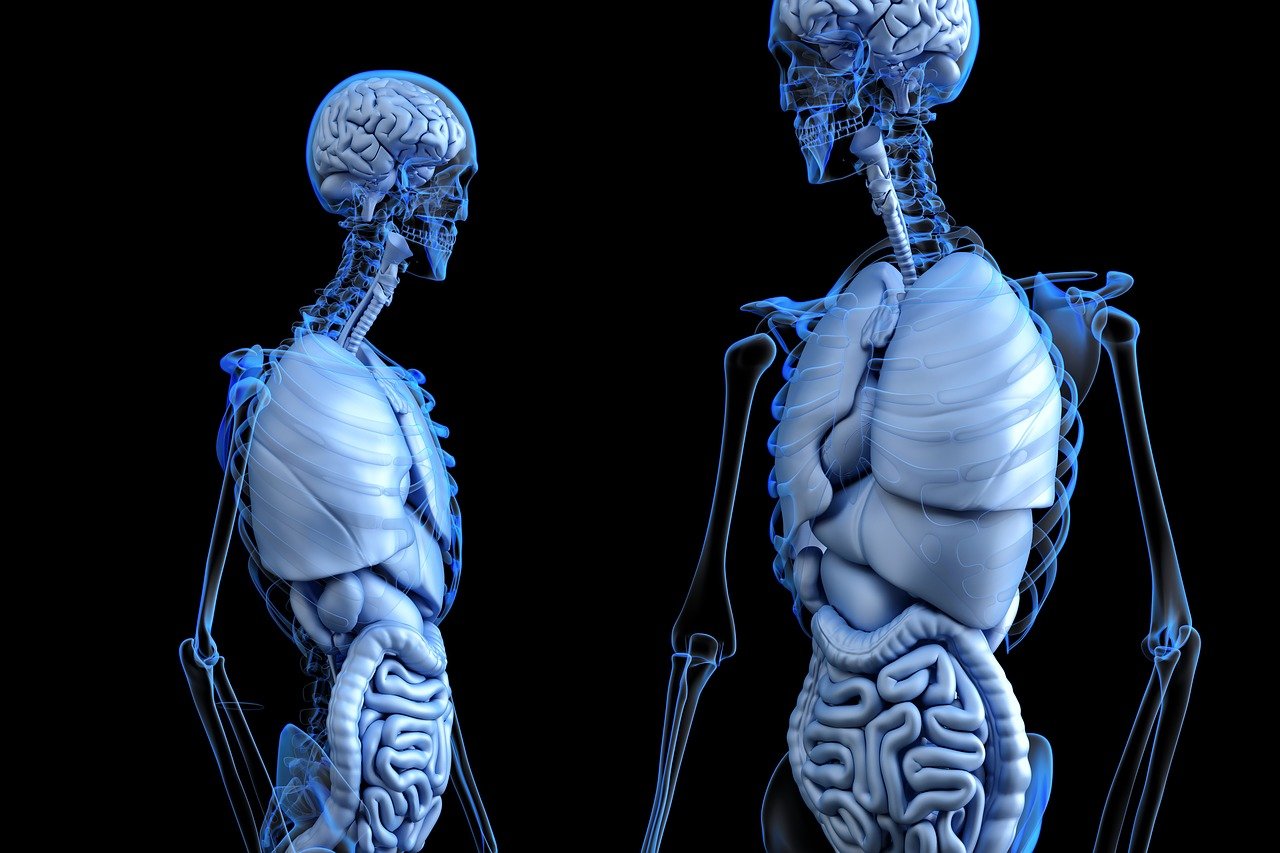

How Body Composition Changes Affect Metabolic Rate
Body composition refers to the proportion of fat and non-fat mass in the body. Understanding these changes is crucial for assessing overall metabolic health. The metabolic rate is affected significantly by the amount of lean muscle versus fat in your body. Generally, more muscle increases metabolic rate, enabling higher calorie burns even at rest. Therefore, as body composition shifts towards greater fat content, the metabolic rate tends to lower. This declining rate can lead to weight gain and increased fat accumulation, creating a cyclical effect in how the body processes energy.Key factors influencing these changes include physical activity, diet, and overall lifestyle choices. Bodybuilders and athletes demonstrate how increasing muscle mass correlates with heightened metabolism. Lifestyle changes, such as adopting a sedentary behavior, can dramatically alter one’s metabolic rate. Thus, monitoring body composition is essential for maintaining metabolic health. Utilizing tools like Dual-Energy X-ray Absorptiometry (DXA) scans provides precise measurements. Incorporating regular strength training can help counteract drops in metabolism that come with aging or lifestyle changes. Consulting an expert in fitness and nutrition can provide tailored advice for optimal composition and metabolic health.
An important aspect of body composition analysis is understanding metabolic syndrome, which is characterized by a cluster of conditions including increased blood pressure, high blood sugar, and excess body fat around the waist. Metabolic syndrome significantly influences metabolic rate and raises the risk for heart disease and diabetes. Individuals with higher levels of visceral fat, the fat surrounding internal organs, often experience metabolic derangements. This fat type has been linked to inflammation and insulin resistance. Effective interventions such as weight management and lifestyle changes are essential in reversing these effects. Research indicates that adopting a balanced diet low in sugars and refined carbs alongside regular exercise is beneficial. Such modifications lead to visible improvements in metabolic markers. Moreover, the role of sleep quality cannot be overstated as it also affect metabolic health. Things like stress and lack of quality sleep can exacerbate metabolic dysfunction. Education about the body and the importance of body composition assessment can drive awareness regarding health risks. To summarize, monitoring body composition can unlock vital insights about your metabolic health, leading to proactive measures that promote a healthier lifestyle and reduced disease risk.
Impact of Age on Body Composition
As individuals age, body composition undergoes significant changes that influence metabolic rate. The natural aging process usually leads to a decrease in muscle mass, also known as sarcopenia. This reduction in lean tissue directly correlates with a slowdown in metabolic rate. An individual in their 20s typically enjoys a higher metabolism due to a greater muscle-to-fat ratio. However, by the time one reaches their 60s or 70s, this ratio may decline substantially, impacting energy expenditure. The hormonal changes associated with aging further complicate this balance; for instance, decreases in testosterone and growth hormone can deride muscle preservation. Consequently, even with the same caloric intake, older adults may notice weight gain. Engaging in strength training may help counteract muscle loss. Regular resistance training stimulates muscle hypertrophy and helps rev up metabolic processes. It’s vital that older adults adhere to a fitness regimen that incorporates both cardiovascular and strength-focused activities. Nutrition is equally important; ensuring adequate protein intake supports muscle health. Ultimately, acknowledging the aging body’s demands is crucial for maintaining metabolic health over time. Tailored approaches can improve body composition and enhance quality of life in older age.
Diet also plays a pivotal role in body composition and, by extension, metabolic rate. Various diets impact body composition differently due to their macronutrient composition. For instance, high-protein diets can lead to muscle retention even during weight loss. Studies show that protein necessitates more energy for digestion compared to fats and carbohydrates. It is vital to incorporate whole, nutrient-dense foods into daily eating; vegetables, lean proteins, and whole grains offer more than taste—they provide necessary vitamins and minerals. Furthermore, understanding caloric needs according to body composition goals is fundamental. A caloric deficit, often necessary for weight loss, will lead to losses in both fat and possibly muscle without appropriate measures. In contrast, a balanced intake can ensure sustained energy levels and metabolic health. Eating smaller, frequent meals may prevent metabolic slowdown, as it keeps the digestive system continuously engaged. Hydration also contributes; drinking enough water can enhance the metabolism slightly. Therefore, diets should focus not only on calorie control but also on nutritional quality, ultimately leading to healthier body composition. Regular assessments through body composition analysis can guide dietary choices for sustaining optimal metabolic rates.
Effects of Physical Activity on Body Composition
Physical activity is a significant determinant of body composition and metabolic rate. Engaging in regular exercise promotes muscle growth, improving energy expenditure. Aerobic activities like running, swimming, and cycling primarily contribute to fat loss. In contrast, strength training primarily builds muscle—a key player in sustaining a healthy metabolic rate. Combining both types of exercise offers the best results for body composition. Structured workouts increase lean body mass and decrease overall fat mass, revamping one’s metabolism. Additionally, high-intensity interval training has been shown to effectively promote fat oxidation better than low-to-moderate continuous efforts. Another advantage of exercising regularly is the positive hormonal response that contributes to overall metabolic health. Maintaining high energy levels and optimal hormonal functions enhances vital metabolic pathways. Ultimately, reducing sedentary behavior is just as crucial as incorporating physical activities. Small changes, like standing or walking during work breaks, can boost metabolism. Establishing a personal activity goal can enhance one’s commitment to regular fitness routines. For significant body composition improvement, aspiring individuals are encouraged to maintain a consistent regimen of both endurance and resistance training. Tracking progress should reinforce motivation toward achieving desired metabolic health outcomes.
Moreover, stress management influences body composition and metabolic health. Chronic stress can lead to hormonal imbalances that promote fat retention, particularly around the abdomen. Increased levels of cortisol, a hormone produced during stressful times, may cause cravings for unhealthy food options. Consequently, this can hinder efforts to achieve a healthier body composition. Developing effective coping mechanisms is essential for maintaining metabolic stability. Mindfulness practices such as yoga, meditation, or breathing exercises can alleviate stress and its effects on the body. Also, having a supportive social network fosters mental well-being and can aid in maintaining motivation toward fitness and dietary goals. Exercise itself acts as a powerful stress-reliever, introducing releases of endorphins that bolster mood. Balancing work and personal life is equally important, ensuring to dedicate time for relaxation and self-care. In this way, stress reduction is more attainable, thus supporting metabolic health. Establishing routines that integrate physical activity and leisure has profound benefits on overall body composition goals. As an integral part of health, stress management practices contribute positively to both body composition and the efficiency of metabolic rates over time. This holistic approach ultimately nurtures physical and mental wellness.
Conclusion
In conclusion, understanding the relationship between body composition and metabolic rate is vital for promoting overall health. The myriad of factors influencing body composition—including diet, exercise, age, and stress—must all be taken into account when pursuing a healthier lifestyle. By adopting balanced habits that encompass nutritious eating, regular physical activity, and effective stress management, individuals can manage and optimize their metabolic health efficiently. Tailored interventions based on personal composition assessments can provide the pathway to achieving desired metabolic outcomes. Furthermore, recognizing the ongoing modifications due to aging or lifestyle shifts will improve awareness and encourage proactive measures. As everyone’s body responds differently, personalized approaches are invaluable. Seeking assistance from healthcare professionals can enhance the understanding of individual metabolic processes and provide guidance on nutrition, exercise, and overall lifestyle changes. The goal remains the same: sustainable health and empowerment through informed choices and practices. Striving toward a better understanding of one’s body composition will ultimately yield positive results in metabolic rates and overall health. Prioritizing this relationship marks a significant step in the journey toward achieving long-term wellness and performance.
Overall, the intricate ties between body composition analysis and metabolic health cannot be overstated. A comprehensive approach involves evaluating both fat and muscle proportions and understanding their implications on metabolic rates. As a key determinant of health, appreciating these elements is essential in preventing chronic diseases and enhancing quality of life. Commitment to ongoing assessments and lifestyle adjustments can yield significant improvements in body composition. Whether through the lens of sports, health, or general wellness, recognizing how composition influences metabolism is invaluable. Lifestyle intervention programs often featuring group activities or educational sessions can prompt adherence to healthier choices. Essentially, conveying the importance of body composition should inspire a broader conversation around health, leading to better-informed communities. This lifestyle commitment can elicit positive changes not only for individuals but also for society as a whole. Success relies on knowledge and the application of strategies that promote metabolic health through positive body composition changes. Continued research and discussion in this field will drive innovations in approaches towards holistic well-being. As understanding evolves, so does the capacity to promote enhanced health outcomes for diverse populations and lifestyles.