
Gut-Friendly Meal Plans Featuring Whole, Unprocessed Foods
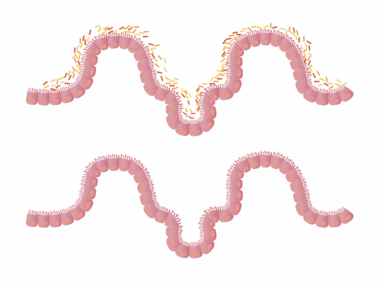
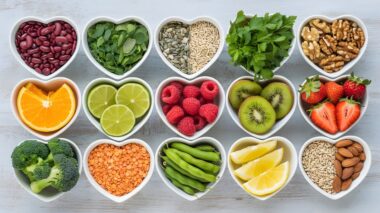
Maintaining a healthy gut can significantly improve overall well-being. Incorporating whole, unprocessed foods into your diet is essential for achieving this goal. These foods contain natural nutrients that can support digestive health and promote beneficial gut flora. Focus on high-fiber fruits and vegetables, which can help regulate bowel movements and prevent constipation. Incorporate foods such as apples, bananas, and leafy greens. Additionally, including whole grains like quinoa and brown rice can provide vital fiber. Probiotic-rich foods such as yogurt and kefir should also be added to your meal plans. They promote a healthy balance of gut bacteria, which is crucial for digestion. When planning meals, aim for a variety of colors and flavors to ensure you receive diverse nutrients. Avoiding heavily processed items can help reduce inflammation and support a clear digestive pathway. Explore different cuisines that feature these ingredients, as this can make eating healthy more enjoyable and sustainable. Cooking methods such as steaming or grilling can preserve nutrients while enhancing flavors.
Your gut health can influence your mental health, energy levels, and immune response. This interconnection highlights the significance of a balanced diet rich in whole foods. In your weekly meal plan, consider batch cooking to save time and minimize food waste. Prepare meals like vegetable stir-fries or hearty soups, ready for convenience during busy days. Incorporating healthy fats such as avocados and olive oil can also play a crucial role. These fats nourish your brain and aid in nutrient absorption. Don’t forget about hydration! Drinking enough water is vital for gut health, aiding digestion and keeping everything flowing smoothly. Herbal teas, particularly ginger and peppermint, can aid digestion and soothe any stomach discomfort. Getting creative with flavors not only makes meals more appealing but also ensures that you look forward to eating healthily. Create a shopping list before going to the store to help you stay on track and avoid impulse buys. Stick to the perimeter of the grocery store where fresh produce is typically found, avoiding inner aisles with processed foods. This simple strategy can further enhance your gut-friendly meal plans.
Example Meal Plan
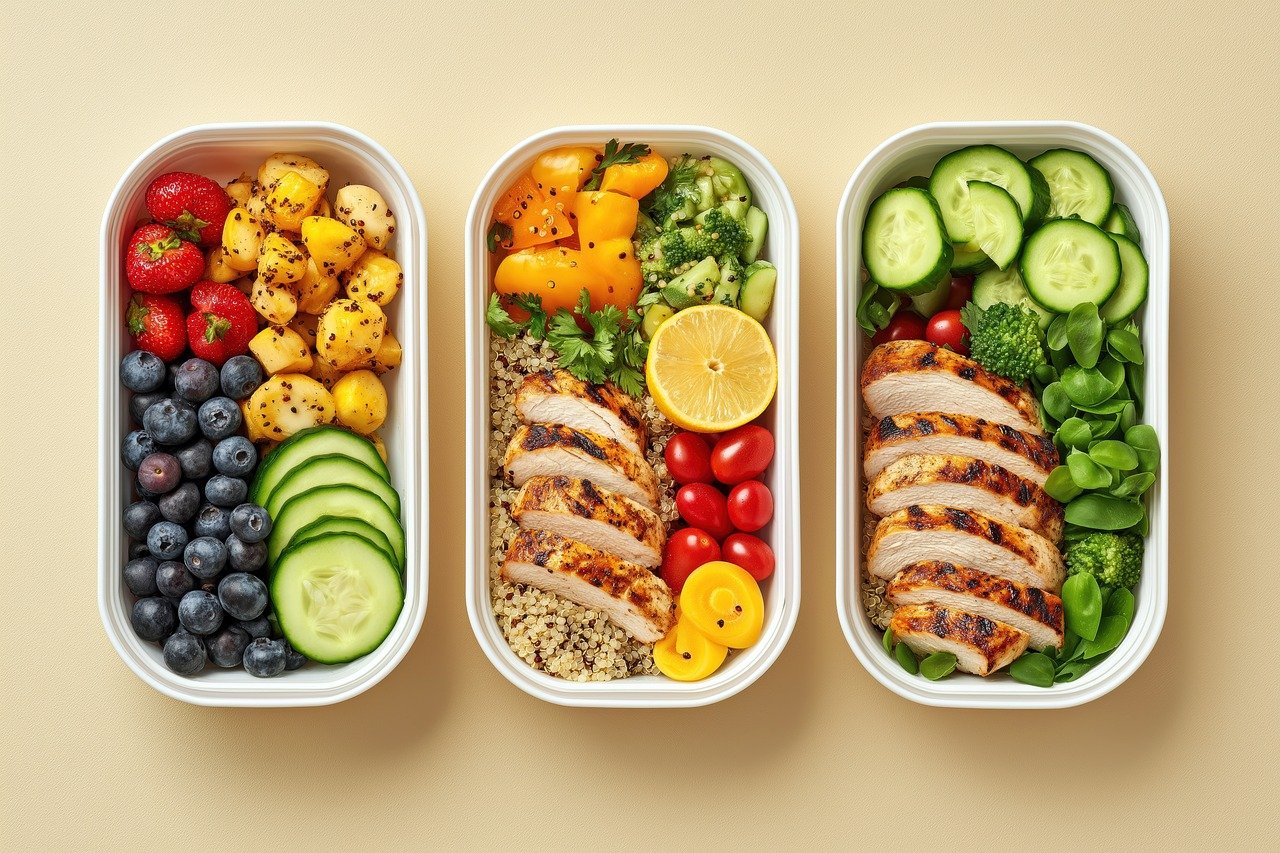
To effectively implement gut-friendly recipes into your daily routine, consider a sample meal plan. Start your day with a nourishing breakfast, such as oatmeal topped with chia seeds, berries, and a dollop of yogurt. This meal is fiber-rich, sustaining your energy levels throughout the morning. For lunch, try a quinoa salad loaded with cherry tomatoes, cucumbers, chickpeas, and a squeeze of lemon. This dish is refreshing and filled with nutrients that support digestion. For dinner, grilled chicken served with steamed broccoli and sweet potatoes would be a satisfying choice. The balance of protein, fibers, and vitamins will help maintain gut health. Snacks are just as important! Choose options like raw almonds, fresh fruits, or vegetable sticks with hummus. Each of these selections brings gut-friendly nutrients into your diet. When preparing meals, opt for seasonal vegetables and fruits; they tend to have higher nutrient levels. Don’t hesitate to switch things up when trying new ingredients. Experimenting with herbs and spices can also boost flavor without adding unhealthy fats or sugars.
Incorporating fermented foods into your diet can also benefit your gut health immensely. Foods like sauerkraut, kimchi, and miso contain live microorganisms that can improve gut flora balance. They add a dynamic element to your meals while supporting digestive processes. Pair these with whole-grain bread or brown rice for a fulfilling dish. For dessert, consider a fruit salad mixed with nuts and a little drizzle of honey. This can satisfy your sweet cravings without resorting to processed sugars. Keeping your plate colorful is not only pleasing to the eye but beneficial for your health. A strategy to achieve this is to plan your meals around seasonal produce. This approach allows you to take advantage of the freshest ingredients and their peak flavors. Don’t forget to include an array of protein sources like beans, lentils, and nuts. These are excellent for creating a balanced gut-friendly meal experience. Additionally, if you know you’ll be away from home, meal prepping can be invaluable. Preparing grab-and-go meals ensures you will not fall back on unhealthy options.
Snack Ideas for Gut Health
Healthy snacking plays a vital role in maintaining your energy levels and supporting your gut health throughout the day. Focus on nutrient-dense snacks that provide fiber, protein, and healthy fats. One excellent choice is fresh vegetable sticks like celery or carrots paired with a homemade bean dip. Alternatively, a small serving of trail mix containing nuts and seeds can provide essential nutrients and keep you satiated. Greek yogurt with a sprinkle of cinnamon and fresh fruit is another perfect option. This combination delivers protein with a bit of sweetness, fantastic for an afternoon pick-me-up. Baking sweet potato chips is a delicious way to enjoy a crunchy snack while still maintaining healthy options. When preparing snacks, pay attention to portion sizes to avoid overeating, even with healthy foods. Try to incorporate pre-portioned snacks to make them more convenient. It’s also worth noting the importance of mindful eating. Savor every bite and enjoy the flavors of your snacks. This practice can lead to greater satisfaction and a better understanding of your hunger signals, leading to improved digestion in the long run.
Staying consistent with your gut-friendly meal plans is key to reaping their benefits. Explore different recipes and welcome food variety into your diet. Along with meals, consider the overall composition of your beverages. Unsweetened herbal teas and infused water can be a delightful way to hydrate. They keep your digestive system working optimally and enhance overall wellness. Incorporate elements like lemon or mint into water for a fresh twist. This not only provides flavor but also contributes to gut health. You might also explore the world of smoothies, blending together leafy greens, fruits, and delicious nut butter for a nutritious snack. These smoothies can serve as quick meals when needed and are customizable based on preferences. When dining out, make informed choices. Opt for dishes that prioritize vegetables, whole grains, and healthy proteins. This focus aligns with your meal planning goals. Resources like cookbooks or food blogs specializing in gut health can inspire new recipes. A community of like-minded individuals may greatly assist in staying accountable and inspired as you embark on this gut-health journey.
Concluding Thoughts on Gut Health
Overall, creating gut-friendly meal plans is a rewarding endeavor for nourishing both body and mind. By focusing on whole, unprocessed foods, you empower yourself to foster better digestion and overall health. The commitment to eating mindfully and preparing meals at home will pay long-term dividends. You’ll not only feel better but likely notice improvements in energy levels and even mental clarity. Embrace this transition; summon an adventurous spirit when cooking, and don’t hesitate to try new flavors. Consolidating your knowledge of gut health also promotes a deeper appreciation for the food you consume. Share your journey with friends and family, encouraging them to join you in this wholesome lifestyle. As you embrace these healthy choices, remember to listen to your body’s needs and adjust your meal plans accordingly. This flexibility ensures you create meals that cater to your tastes and health requirements. With time and practice, you can cultivate a repertoire of gut-friendly recipes that nourish and rejuvenate. Ultimately, prioritizing gut health can lead to a happier, healthier life, filled with delicious meals and vibrant well-being.