
Cool-down and Its Impact on Muscle Recovery Time
A cool-down is an essential part of any workout routine, often overlooked by many fitness enthusiasts. Incorporating a proper cool-down session after your gym workouts can significantly enhance muscle recovery time. This period allows your heart rate to gradually return to resting levels, promoting overall cardiovascular health. Additionally, cool-down routines help in reducing muscle soreness that often follows intense exercise. Stretching exercises incorporated into the cool-down help maintain flexibility. This flexibility is crucial to avoiding injuries and enhancing overall physical performance. The ideal duration for a cool-down session should typically be around 10 to 15 minutes. During this time, focus on deep breathing exercises to reintroduce oxygen to your muscles. This process aids in meliorating lactic acid buildup, which is a significant factor in muscle fatigue. Conclusively, prioritizing a cool-down after workouts should be a habitual practice for everyone aiming for optimum health results. If you are serious about fitness, adopting this practice can magnify your results significantly.
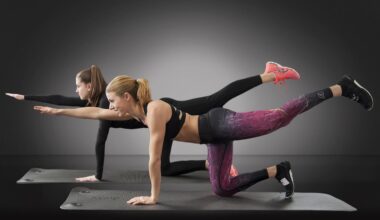
One of the key components affecting muscle recovery is the inclusion of stretches in the cool-down. Different types of stretches, including static and dynamic, have unique benefits. Static stretches, where you hold a stretch for a duration, are particularly effective post-exercise. They help elongate the muscles, promoting relaxation and decreasing tightness. Dynamic stretches can be preserved for warm-ups, where you prepare your muscles for the workout. Cool-down stretches should focus on major muscle groups engaged during your workout. Consistent stretching post-workout not only improves flexibility but also fosters quicker recovery times. Research suggests that incorporating a solid stretching component can reduce stiffness considerably. Therefore, including both types of stretching throughout your workout regimen can dramatically enhance overall well-being. Stretching also improves blood flow, facilitating nutrient delivery to muscles, which speeds up recovery. With consistent practice, you will notice your muscles feeling less tight and sore in the days to follow. Thus, invest time in stretching during your cool-down routines to enjoy these substantial benefits.
Physiological Benefits of a Proper Cool-down
Understanding the physiological benefits of a cool-down can amplify your motivation to include it in your workout routine. Physically, a proper cool-down helps normalize body temperature. An elevated body temperature can enhance cardiovascular strain, leading to increased risk of injury if not appropriately monitored. Gradually lowering your body temperature can prevent the body from experiencing discomfort. A cool-down also significantly lowers heart rate and minimizes the risk of dizziness, which can occur if you abruptly stop exercising. Additionally, engaging in a cool-down routine assists the body in stabilizing blood flow, as it redirects excess blood flow from the muscle groups worked intensely back to vital organs. This redirection of blood flow helps in preventing potential complications like blood pooling and enhances overall recovery efficiency. Enabling nutrients to reach fatigued muscles post-exercise is paramount. This aids in reducing soreness over time. Overall, understanding these physiological benefits can reinforce the importance of not skipping cool-down sessions to ensure peak performance as well as longevity in fitness practice.
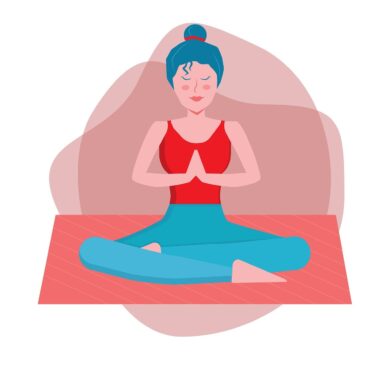
Moreover, the psychological benefits of incorporating a cool-down cannot be overlooked. Engaging in a calm and structured cool-down routine helps to foster a sense of relaxation post-workout. This mental refreshment is critical, particularly after intense exercise, where adrenaline levels are usually elevated. Taking time to unwind allows for mental clarity, making it easier to shift into a post-workout mindset. Furthermore, this practice can be quite meditative. Appreciating your workout achievements can promote positive self-reflection. Meditation-like effects can be achieved through mindfulness during cool-down stretches, which builds mental resilience. Consistency in this relaxation practice contributes to improved mood and reduced anxiety levels, creating a balanced exercise program. Therefore, the mental respite provided by a proper cool-down should be considered as vital as its physical benefits. From relieving stress through mindfulness to facilitating a deeper sense of accomplishment, a cool-down regimen can not only lead to better physical health but support greater mental wellness as well. Always make time to celebrate your efforts.
Strategies for Effective Cool-downs
To make your cool-down sessions more effective, consider implementing a variety of strategies tailored to your specific workouts. For instance, after a lower-body workout, prioritize stretching the hamstrings, quadriceps, and calves. Similarly, for upper-body workout sessions, ensure that you target the chest, shoulders, and back. Utilizing equipment like foam rollers can also enhance your cool-down by increasing blood flow, reducing muscle tension, and improving range of motion. Even involving deep breathing while performing these stretches can amplify relaxation. Additionally, creating a routine that gradually decreases in intensity, rather than abruptly ending your workout, can immensely benefit your cool-down. Including light aerobic activities such as walking or light cycling can effectively aid the transition between workout and rest. Finally, always listen to your body. If something feels too intense, modify the stretch or intensity of your cool-down accordingly. Thinking about your cool-down as a critical component of your training regimen can enhance the effectiveness of your fitness efforts over time. These strategies can ensure more balanced recovery between workouts, empowering your future performance.
Hydration also plays a crucial role in enhancing the effectiveness of your cool-down. During intense workouts, the body loses significant amounts of water, which must be replenished post-exercise to support recovery. Ensuring proper hydration is vital for muscle function and overall recovery. Dehydration can lead to increased muscle soreness and prolonged recovery times. Additionally, beverages enriched with electrolytes can be beneficial following a workout to replenish lost minerals. This combination aids in faster muscle recovery and enhances the body’s overall performance. Water or electrolyte drinks should be integrated as part of the cool-down, ideally pre and post-cool-down. Furthermore, consider the temperature of water; cooler fluids can aid in reducing body temperature efficiently. Consuming warm fluids, on the other hand, may provide relaxation but may not support immediate recovery needs. Thus, hydration should not be neglected during cool-down routines, as this simple practice can greatly affect overall recovery results. Always ensure you understand how your body responds to hydration; tailor your intake during the cool-down to ensure optimal recovery practices.
Incorporating Cool-downs into Your Routine
Building a structured workout routine that includes cool-downs can prove beneficial for long-term fitness goals. Start by allocating specific time slots at the end of your standard workout sessions. Whether you opt for a 10-minute cool-down or longer durations, consistency is key. Consider planning, documenting, and prioritizing cool-down sessions within your workout journal or planner. Over time, these periods will become a natural and integral part of your fitness routine. Additionally, varying your cool-down exercises can prevent monotony while promoting comprehensive recovery. Explore different techniques such as yoga stretches or even gentle walking. Finding enjoyable methods will enhance the likelihood of adherence to this practice. Furthermore, informing workout partners or groups about your cool-down routine can also help motivate accountability. You will potentially inspire others to prioritize these beneficial practices as well. Ultimately, ensuring your cool-down becomes a habitual practice can yield both physical and mental health benefits. A well-rounded approach towards fitness, emphasizing all aspects of workout management, can lead to profound transformations in overall outcomes achieved.
Finally, conducting self-assessments to gauge the effectiveness of your cool-down practices can fine-tune your routine over time. After each workout, reflect on how you feel post-cool-down. Are you experiencing less soreness than before? Are your muscles feeling more relaxed? These reflections will help identify what works best for you. Additionally, staying informed about new trends in fitness can introduce innovative cool-down methods that may benefit your recovery. Knowledge about trending practices also promotes continual adaptation to your workout regime. Consider consulting professionals, such as personal trainers, who can provide tailored advice regarding your cool-down routines. Exploring various resources like articles or workshops can enhance your understanding of effective recovery methodologies. The experience of others may guide your approach towards more effective sessions. It is essential to treat each workout interface holistically, developing practices that are suitable for your unique situation and goals. Participating in discussions within fitness communities can be facilitating in exchanging valuable information. Ultimately, the journey towards better recovery and performance starts with the conscious intention to improve your cool-down processes.