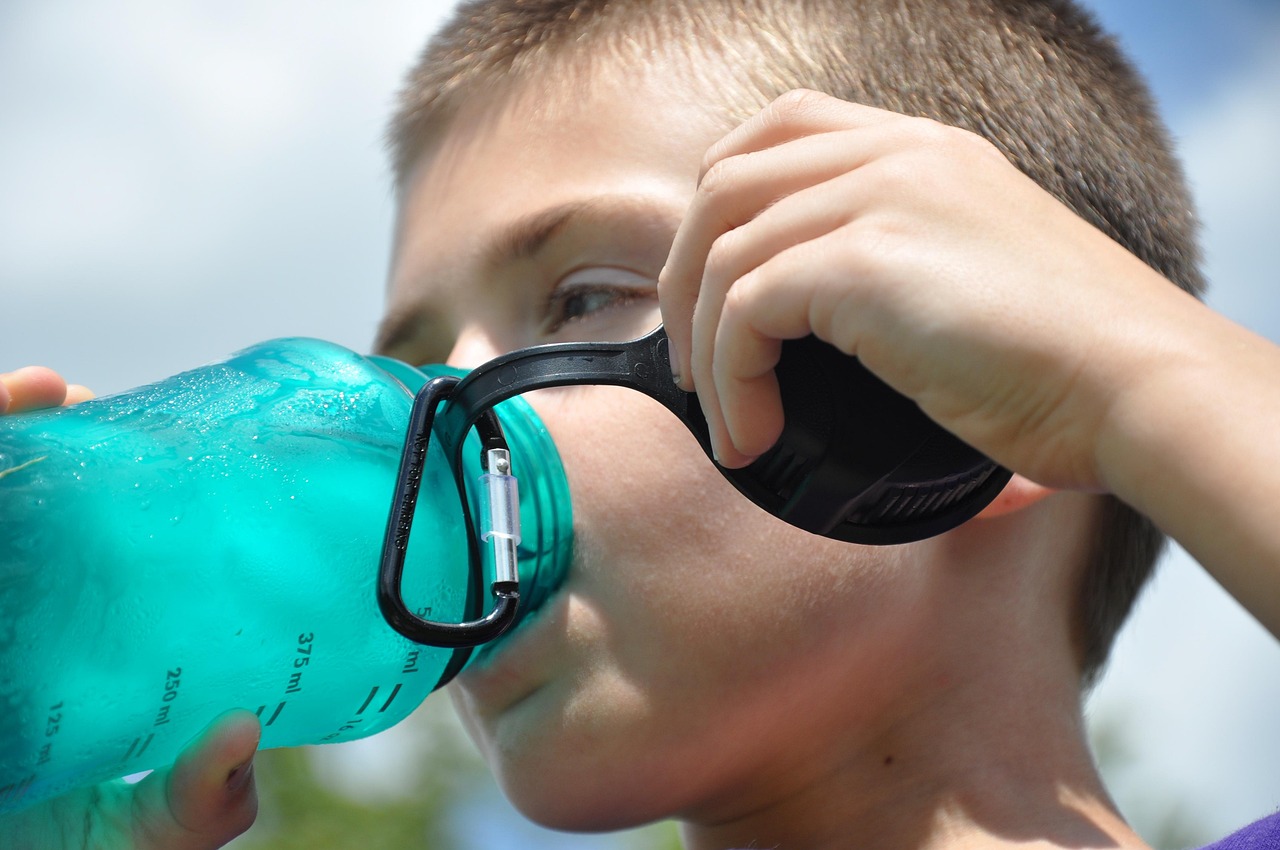

Combating Dry Mouth and Fatigue Through Proper Hydration in Fasting
Fasting is not simply about avoiding food; it also involves regulating hydration and understanding the significant role fluids play during this process. Staying hydrated is crucial for overall well-being, especially for those practicing intermittent fasting. Proper hydration helps maintain energy levels and supports various bodily functions that may be challenged during fasting. Insufficient hydration can lead to dry mouth, fatigue, and reduced concentration, making the fasting experience less enjoyable. Hence, it is essential to find a balance between fasting periods and water intake. During these fasting intervals, individuals should focus on consuming adequate fluids during non-fasting hours. Additionally, beverages that provide electrolytes can further support hydration during fasting. This approach will not only help mitigate feelings of thirst or dry mouth but will also prevent fatigue brought about by dehydration. Individuals are encouraged to experiment with different ways of hydrating to find what resonates best. Remember, your body is a reflection of how well you nourish it during both eating and fasting periods, making hydration an integral part of your fasting journey.
Hydration plays a significant role in maximizing the benefits of fasting, particularly in combating the adverse effects like dry mouth and fatigue. When fasting, it is important to monitor your fluid intake carefully. Many people overlook this while concentrating on their meal timings, leading to a detrimental impact on their overall experience. One key aspect is timing your hydration to ensure it doesn’t interfere with your fasting goals. Drinking water adequately just before and after fasting periods can help maintain optimal hydration. Moreover, several options can enhance hydration: mineral water, herbal teas, and electrolyte-rich drinks. Not all beverages are created equal; some contain sugars and additives that can break a fast. Therefore, selecting the right liquids during fasting hours is vital for achieving desired health benefits. Incorporating fluids rich in minerals can replenish vital electrolytes lost during fasting. When planning your hydration strategy, consider factors like climate or physical activity levels, as these factors can influence water needs. Adapting your hydration routine to suit your lifestyle will ensure you stay refreshed while fasting.
Feeling fatigued and experiencing dry mouth during fasting hours are common complaints that can hinder the fasting experience. To address these issues effectively, staying informed about proper hydration methods becomes vital. One excellent strategy is to incorporate hydrating foods into your diet during non-fasting periods. Foods with high water content, such as cucumbers, tomatoes, and watermelons, can significantly contribute to your overall hydration. Following a fluid rehydration plan can also bolster your energy levels and enhance your focus. Experts recommend consuming at least 2-3 liters of fluids throughout the day, adjusted to your individual body weight and needs. Another strategy involves pacing your water consumption to avoid overwhelming your stomach at once. Gradual sipping throughout your non-fasting window can yield better hydration results. If you find tap water less appealing, consider flavoring it with fresh fruits or herbs, creating a refreshing beverage that encourages more fluid intake. Incorporating this type of hydration into your routine can positively affect your fasting experience and enhance your mental clarity.
Hydration Techniques During Fasting
Implementing creative hydration methods can greatly improve your experience while fasting. One promising technique is the practice of drinking herbal teas, like peppermint or chamomile, which can offer hydration without breaking the fast. Such teas not only hydrate but can also provide soothing properties, minimizing feelings of hunger and helping manage cravings more effectively during fasting hours. For individuals who prefer taste, adding fresh lemon slices or fresh mint leaves to water can provide a refreshing twist, making it easier to drink enough fluids. It’s essential to listen to your body and adjust your hydration strategy according to how you feel. Some individuals may benefit from including electrolyte supplements to replenish minerals lost through perspiration, particularly during warmer months or after vigorous activity. Additionally, creating a simple hydration schedule can help structure fluid intake better. For example, setting reminders to drink water at regular intervals can help establish a routine. Focusing on how your body responds to different hydration methods will help improve your fasting journey and lead to better overall health.
A common misconception among individuals practicing intermittent fasting is that they should avoid drinking fluids altogether. This belief can lead to significant health issues, as hydration is essential for feeling energized and alert during fasting periods. In reality, consuming sufficient fluids is fundamental for your body to function optimally. Low hydration can result in symptoms such as headaches and aggravate fatigue, emitting signals that it’s time to reevaluate your fluid intake approach. Understanding your body’s signals is crucial during fasting to avoid potential side effects. Try integrating a diverse range of hydration sources, like flavored waters and non-caffeinated herbal teas, that align with the goals of intermittent fasting. These drink options can provide hydration without the added calories or sugar. It’s important to remain mindful of portion sizes too; too much liquid at one go might lead to feelings of discomfort. Ultimately, ensuring balanced hydration can enhance your fasting experience and overall wellbeing. Attaining the proper strategies can significantly improve mental focus and energy levels while engaging in fasting.
The Role of Electrolytes in Fasting
Understanding the role of electrolytes in hydration during fasting is critical for ensuring an effective fasting experience. Electrolytes, such as sodium, potassium, and magnesium, play a vital role in maintaining fluid balance in the body. While fasting, it’s essential to replenish these minerals to avoid symptoms like dry mouth and fatigue. Many people may not realize that sweating can also lead to significant electrolyte loss, which can further exacerbate dehydration during fasting. Therefore, if you engage in vigorous activities, consider incorporating electrolyte-rich beverages or supplements during your non-fasting intervals. This practice helps restore lost minerals that play crucial roles in muscle function and hydration levels. Additionally, keeping tabs on your electrolyte balance can aid in reducing feelings of fatigue. When you start your fasting journey, be mindful of the foods you consume during your eating window. Choosing whole foods rich in electrolytes, such as spinach, avocados, and nuts, can provide a natural source of essential minerals. Incorporating these foods will not only improve your hydration strategy but also support optimal energy levels during fasting.
To maximize the benefits of fasting while combating dry mouth and fatigue through hydration, it is essential to refine your approach regularly. Reflecting on your hydration methods can lead to improvements that significantly enhance your fasting experience. Engaging in conversations with fellow fasters and exploring their hydration habits can also yield fresh ideas. Exploring the latest research on the effects of different beverages during fasting may present additional insights into effective hydration techniques. Ensure to document your hydration practices to develop a personalized hydration strategy that works best for you. Keep in mind that everyone’s body reacts differently to hydration levels, and what works for some may not apply to others. Testing new sources of hydration may lead to finding the best practices suited for your lifestyle. Moreover, don’t hesitate to consult healthcare professionals or nutritionists to discuss your fasting and hydration strategy. The aim is to create a sustainable eating plan that effectively fuses with your hydration requirements during intermittent fasting, enhancing both experiences.
In conclusion, staying adequately hydrated while practicing intermittent fasting is critical for maintaining energy levels and overall well-being. Through various methods to enhance hydration, such as focusing on electrolyte repletion and consuming hydrating foods, fasting can become a more enjoyable and productive experience. Continually monitoring hydration levels and adjusting strategies will address challenges like dry mouth and fatigue. Your fasting journey can significantly improve simply by integrating suitable hydration techniques. Prioritizing hydration should not only be regarded as a part of your routine; it should be an integral element of your overall strategy while fasting. Remember, staying mindful of both fluid and food intake during fasting and eating intervals can lead to positive health outcomes and a more satisfying fasting experience.