
Building Balance: Personal Stories of Coordination Triumphs
Balance and coordination are essential skills that many people often take for granted. This is especially true for those who have never faced challenges regarding their balance. However, the stories of individuals who have successfully overcome these challenges can be incredibly inspiring. These stories can motivate others struggling to achieve similar coordination triumphs. Balance is not just about physical stability; it encompasses mental resilience and determination. Each personal story highlights unique journeys that help individuals restore their confidence and enjoyment in various activities. In sharing these experiences, we can foster a community of support and encouragement. From athletes to everyday people, their tales resonate with the universal desire for growth. Furthermore, this sense of community cultivates a network of shared resources that can positively impact lives. Personal stories of success can inspire action, pushing others to seek solutions for their balance-related concerns. They serve as proof that with perseverance, commitment, and the right guidance, overcoming obstacles is achievable. By learning from others’ experiences, we strengthen our own paths toward improved balance and coordination. These narratives form a tapestry of hope, demonstrating that challenges can be met with success.
One inspiring tale comes from James, a former athlete who faced balance issues after a serious injury. His struggles included not only physical pain but also mental blocks that made coordination difficult. Through sheer determination, James sought the appropriate rehabilitation programs designed for athletes. He worked tirelessly with physical therapists to regain his footing. By engaging in specialized exercises focusing on balance and strength, his progress was remarkable. Alongside rigorous physical training, James adopted mindfulness techniques to enhance his mental clarity and focus. These practices drastically improved his coordination and overall well-being. The combination of physical and mental training created a strong foundation for his recovery. Eventually, James was able to return to competitive sports, a feat he once thought impossible. His story exemplifies the power of perseverance and the idea that rehabilitation can lead to new beginnings. James now shares his journey with others, advocating for the importance of professional guidance in recovery programs. His experience serves as a beacon of hope for those going through similar struggles, proving that balance is achievable with dedication and support. His triumph illustrates that it is always possible to overcome physical limitations.
Overcoming Obstacles to Achieve Balance
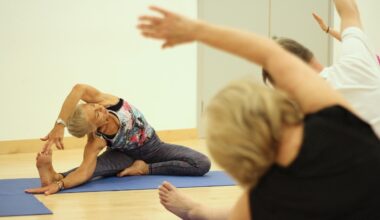
Another remarkable story comes from Sarah, who struggled with coordination due to a lifelong condition. For many years, she felt limited in her abilities, affecting her confidence and participation in social activities. It wasn’t until she joined a local community support group that her perspective began to change. Surrounded by individuals facing their own balance and coordination challenges, Sarah found encouragement and camaraderie. Her new friends inspired her to explore various techniques that could enhance her coordination. Through engaging group activities that included dance and yoga, she developed her balance more than she ever thought possible. The collective spirit of the group motivated her to push beyond her comfort zone. Gradually, Sarah not only improved her physical abilities but also rekindled her joy for movement and interaction. Embracing these experiences helped her rediscover her passion for dance, which she had almost given up. Now, she often performs at local events, sharing her journey of growth and strength with others. Sarah’s story exemplifies how community support and engagement can significantly impact one’s ability to achieve balance.
In a different approach, Mike, an older gentleman, credits his balance improvements to his passion for tai chi. Initially, he was skeptical of the traditional practices, believing they would not apply to his age group. However, after attending his first class, he was amazed by the gentle movements and focus involved in each session. Tai chi not only enhanced his physical coordination but also offered mental serenity. The slow and deliberate nature of tai chi helped Mike regain control and confidence in his body. His improved balance made daily activities more manageable and enjoyable. Moreover, he found himself connecting with a community of fellow practitioners who shared their experiences and encouragement. This environment allowed him to learn from others who faced similar challenges. With continued practice, Mike can now walk without discomfort and participate in social activities freely. His journey showcases that it’s never too late to embrace new practices that establish balance in life. By being open to alternative methods hereafter, individuals can discover newfound strengths. Through disciplined practice, Mike transformed his life, proving that achieving balance and coordination is indeed an attainable goal.
Sharing Stories and Building Community
As we’ve seen through these inspiring stories, balance and coordination challenges are not uncommon or insurmountable. Individuals from various backgrounds share similar fears and experiences, leading to personal triumphs that resonate with many. By embracing each story, we can create deeper connections that foster understanding and compassion. These narratives have the power to inspire others and change lives. Many of these individuals, such as James, Sarah, and Mike, choose to use their experiences to help others. Through workshops, online forums, or social media platforms, they share their insights and progress. This willingness to be open creates a network of support that is essential for individuals struggling with coordination issues. Additionally, these shared experiences reduce the stigma often associated with physical challenges, reminding us that everyone has their unique journey. This collective effort demonstrates that achieving balance can positively impact individuals and their communities. It encourages people to reflect on their journeys while offering hope to those who may feel isolated in their struggles. Together, they form a supportive tapestry that enhances the collective experience of recovering and thriving in the face of challenges.
The journey to achieving balance doesn’t end with a single victory; instead, it is a continuous process of growth and learning. Personal stories not only highlight triumphs but also remind us of the setbacks that often accompany growth. Understanding that setbacks are part of the journey allows individuals to approach their challenges with greater resilience. By maintaining a positive attitude, they can learn from their experiences and make necessary adjustments. Each success builds a foundation for future growth, reinforcing one’s commitment to balance and coordination mastery. Furthermore, by recognizing that everyone’s path is unique, individuals can embrace their timelines and progress. Encouraging stories also serve as powerful tools for mental strength, helping others visualize their own potential. This collective inspiration nurtures a culture of kindness and support that uplifts everyone involved. As these narratives continue to circulate, they empower individuals to seek help and stay committed to their journeys. Additionally, sharing these stories can spark conversations about the importance of balance and coordination training across age groups and abilities. Thus, they position balance as an achievable goal for all.
The Future of Balance and Coordination
As awareness of balance and coordination issues continues to grow, the importance of sharing personal stories remains undeniable. Educational programs and community resources can further highlight the experiences of those who have transformed their challenges into successes. Schools and institutions can incorporate balance training into their curricula, promoting healthy lifestyles from an early age. Likewise, this proactive approach can encourage individuals to explore their potential regarding balance and coordination. Inspired by these stories, future generations can embrace physical activity, viewing it as a way of life rather than a chore. By sharing success stories consistently, communities can advocate for more initiatives focused on balance and coordination. Workshops, fitness classes, and support networks should be readily accessible to all ages. Accessibility is crucial; tailoring programs to accommodate diverse abilities helps nurture inclusivity. Thus creating a diverse environment promotes unity and encourages exploration. Collectively, we can cultivate a culture where balance is prioritized, and coordination is seen as an essential skill. With ongoing advocacy and support, there is no limit to the achievements that individuals can realize on their journeys toward balanced living.
In conclusion, personal stories of balance and coordination triumphs play an essential role in shaping perspectives and enhancing the belief that success is attainable. By sharing their journeys, individuals inspire hope and courage in others facing similar struggles. Through resilience and determination, they highlight that challenges can lead to personal growth and new opportunities. Collaboratively focusing on these stories fosters a community grounded in encouragement, compassion, and support. Everyone deserves to feel empowered in their journey, knowing that they are not alone. The collection of personal narratives we see today emphasizes the importance of understanding and addressing balance and coordination challenges. Moving forward, we hope these stories continue to shine a light on the incredible possibilities that lie ahead for everyone willing to embark on this journey. A strong community united by shared experiences can help each person navigate their paths toward balance and coordination. Ultimately, the triumphs of individuals encourage us to strive for progress, continuously learning and growing. There is immense value in sharing stories, and their impact resonates deeply, reminding us that together we can conquer obstacles and celebrate our uniqueness.