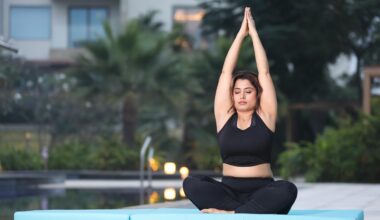

Balancing Work, Life, and Fitness with Mindful Time Management
In our fast-paced lives, achieving a balance between work, life, and fitness often feels like a daunting challenge. Many people struggle with time management, ending up overwhelmed with responsibilities and obligations. However, integrating mindfulness into your time management strategies can be a game-changer. By consciously focusing on your present tasks, you can prioritize effectively and find time to dedicate to your fitness goals. Mindfulness encourages individuals to identify their true priorities, making it easier to set boundaries. In this way, you transform your daily routine from chaotic to structured. This transformation allows you to carve out moments for workouts, making fitness a non-negotiable part of your life instead of an afterthought. Incorporating fitness into your life does not have to be about rigid scheduling, but more about achieving harmony in everyday actions. By employing mindful techniques in organizing your day, you empower yourself to make healthier choices. Embrace these techniques to foster balance and feel more energized as you navigate through daily activities while maintaining focus on your fitness aspirations.
A significant aspect of mindfulness is cultivating self-awareness which can also enhance your fitness journey. Self-awareness leads to better decisions about your health and fitness. When you’re conscious of your physical and mental state, it becomes easier to recognize when you’re feeling fatigued, anxious, or stressed. This insight is crucial for determining when to push through fatigue or when to take a step back and rest. Additionally, self-awareness allows for identifying emotions that may lead to unhealthy eating patterns or sedentary behaviors. With mindfulness, you can effectively address those emotional triggers before they impact your fitness goals negatively. You might find yourself choosing healthier snacks when feeling anxious, or opting for a quick workout over scrolling through social media. An ongoing practice of mindfulness can lead to forming lasting habits, promoting both mental well-being and physical health. Start your journey with small moments of reflection, whether through meditation or simply taking deep breaths before meals. These practices guide your choices, making them more intentional and conducive to achieving balance in your work-life-fitness equation. Remember that each decision counts toward creating a healthier lifestyle.
Setting Realistic Fitness Goals
Establishing achievable fitness goals is essential when juggling various life commitments. Without clear objectives, it’s easy to become discouraged or lose focus. Start by breaking larger fitness goals into smaller, manageable targets that seamlessly fit into your daily life. For example, aim to walk 10,000 steps a day, rather than setting an unattainable goal of running a marathon immediately. Another approach is to schedule your workouts just like any other meeting. By dedicating specific time slots in your calendar, you prioritize fitness as integral to your lifestyle. The key is consistency; even short workouts can yield significant results over time. As you reach each milestone, reward yourself for the progress made. These rewards can range from a relaxing spa day to a new workout outfit. Mindful goal setting helps you retain motivation while also developing patience, as fitness is a gradual journey. Further, engage in self-reflection to assess whether your goals align with your desires, and adjust if necessary. Keeping this flexible approach ensures that your path to fitness harmonizes with your ever-evolving life, fostering a mindset conducive to sustained growth.
Integrating physical activity into your daily routine is another mindfulness strategy that promotes fitness without feeling overwhelmed. Mindful movement can take many forms and doesn’t need to be limited to traditional workouts. Consider incorporating exercise into your daily tasks, such as using the stairs instead of the elevator, or taking brief walks during breaks. Every little bit counts and can accumulate throughout the day, contributing positively to your fitness goals. Additionally, being mindful during workouts enhances the experience, allowing for better body connection and improved form. Focus on each movement, listen to your body, and adjust as needed. This heightened awareness can also enhance your enjoyment of physical activity. Try alternating fitness activities to keep your routine fresh and exciting. From yoga and Pilates to cycling or dancing, a variety of workouts can help maintain enthusiasm. Pairing activities with mindfulness results in not just physical benefits, but emotional fulfillment too. This fusion creates a sense of well-being that resonates beyond just exercise, enabling you to appreciate every facet of daily life while nurturing your body.
Creating a Mindful Eating Routine
Mindful eating is a powerful concept that aligns beautifully with fitness and well-being. By practicing mindfulness during meals, you can improve your relationship with food and make healthier choices. Start by eliminating distractions while eating; this includes turning off screens and focusing on your meal. Take the time to savor each bite, appreciating the flavors, textures, and aromas. This practice enhances awareness of hunger cues, which can prevent overeating or impulsive snacking. By being attuned to your body’s signals, you learn to eat when hungry and stop when satisfied. Mindful eating involves being conscious of food choices, opting for nutrient-dense options that fuel your body for workouts and daily activities. Incorporating whole grains, fruits, and lean proteins can contribute positively to your fitness journey. Exploring new recipes and flavors can spark joy in your meals, making healthy eating exciting rather than a chore. Develop a routine that encourages mindful eating, where meals are seen as dedicated times to nourish yourself. This holistic approach to diet not only supports your fitness goals but makes eating a celebratory and enjoyable experience.
Another crucial aspect of balancing work, life, and fitness is developing a support system that motivates and encourages you. Surrounding yourself with like-minded individuals creates an environment where shared goals thrive. Seek out friends or family members who prioritize fitness and mindfulness, as their influence can ignite your own motivation. Participating in group workouts or classes introduces a social aspect to fitness that can build accountability and maintain your commitment. When setbacks occur, having a supportive network to rely on can make all the difference. Furthermore, consider joining online communities or fitness apps designed to connect individuals focused on similar objectives. Share your journey and tips to create a sense of camaraderie; this connectedness often fosters encouragement. Utilize social media platforms to document your progress, inspiring others while simultaneously keeping yourself accountable. However, remember that self-compassion is essential during such efforts. Not every day will be productive, and setbacks are part of the journey. Embrace these moments and learn from them while maintaining realistic expectations. With support, persistence, and a mindful approach, achieving balance becomes a fulfilling endeavor.
Conclusion: Embracing Mindfulness in Your Fitness Journey
Fostering a mindful approach to time management allows you to navigate the often conflicting demands of work, life, and fitness effectively. The tips shared in this article highlight practical strategies to incorporate mindfulness into various aspects of your daily routine, making fitness a rewarding process rather than an additional burden. Self-awareness, realistic goal-setting, and community support are all crucial components contributing to a fulfilled life where fitness flourishes. As you practice being present and intentionally engaged in your choices, you promote sustained habits that yield lasting change. Remember that balance is unique to each individual; it’s about finding what works for you and adapting over time. Consistency, flexibility, and mindfulness will serve as your guiding principles on this journey. Allow yourself the grace to redefine your fitness narrative continuously, shifting focus when necessary. Embrace your individuality as you create a lifestyle that harmonizes daily responsibilities with your fitness aspirations. Ultimately, prioritizing mindful time management will not only enhance your physical health but enrich your overall well-being.
In conclusion, integrating mindfulness into your approach to fitness is not solely about physical health; it encompasses emotional well-being, awareness, and self-care. As you weave mindfulness into your routine, remember to celebrate your achievements, both big and small. Each step forward counts, contributing toward a healthier, more balanced life. With consistent practice, you will find mindfulness becomes second nature, guiding you to achieve fitness goals while maintaining harmony in all areas of life. Congrats on setting out on this journey; it is a meaningful effort that will pay dividends in your quality of life. Emphasizing presence in daily activities allows you to experience life more fully. As you embrace this holistic approach, expect challenges along the way, yet view them as opportunities for growth. Stay committed to your fitness narrative, even during less perfect moments. By forging resilience in your efforts, you empower yourself to thrive. Seek ongoing enjoyment in your fitness journey, keeping the end goals in perspective but also cherish the process. Remember that the true essence of achieving balance lies not just in task completion, but also in learning to love the journey itself.