
Balancing Strength and Cardio Training as You Age
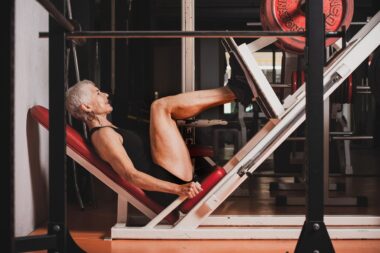
As people age, it becomes essential to maintain a balanced fitness routine that incorporates both strength training and cardiovascular exercise. Aging can lead to decreased muscle mass and bone density, making it more crucial than ever to focus on strength. Strength training helps maintain muscle strength, improves metabolic health, and enhances overall physical independence. It is vital for aging adults to include weight-bearing exercises in their routine, as this promotes bone health and reduces the risk of osteoporosis. Examples of strength training include lifting weights, using resistance bands, or engaging in bodyweight exercises. On the other hand, cardiovascular health is equally important. Engaging in activities that elevate the heart rate supports heart health and promotes overall well-being. Regular cardio exercise can help prevent numerous chronic conditions such as diabetes, hypertension, and obesity. Incorporating activities like walking, swimming, or cycling can achieve these benefits. Ultimately, a combination of both strength and cardio creates a well-rounded fitness program, maximizing health benefits and promoting longevity. Thus, both areas are critical for sustaining a healthy lifestyle as one grows older.
Understanding the significance of balancing strength and cardio workouts is vital for individuals as they age. The ideal approach combines these training styles to achieve optimal health outcomes. Strength training typically involves working against resistance, promoting muscle growth, and even improving joint functionality. This type of training also plays a crucial role in reducing fall risks by enhancing balance and coordination. Incorporating functional movements into workouts, such as squats, pushes, and pulls, becomes essential for everyday activities, helping to maintain independence. Moreover, cardiovascular training ensures that your heart and lungs remain healthy. Regular aerobic exercise directly benefits your circulatory system, lowers stress levels, and improves mood. As we age, endurance, stamina, and overall well-being become essential to preserving quality of life. It’s important to note that engaging in varied intensities of cardio can help sustain interest and motivation in one’s fitness regimen. To make the process enjoyable, consider joining group classes or working out with friends. Fueling both types of exercise with proper nutrition can further enhance results, ensuring that the body receives the required carbohydrates, proteins, and healthy fats essential for performance and recovery.
To create an effective training regimen, individuals should first determine their fitness goals. Understanding personal objectives can inform how to balance strength and cardio exercises properly. For those aiming to lose weight or improve body composition, incorporating both types of training is crucial. Strength sessions can help build muscle, which ultimately aids in burning more calories at rest. In contrast, cardiovascular workouts support at a caloric deficit necessary for weight loss. Balancing these activities allows individuals to maintain motivation and reduce the monotony that can come with exercising only one way. It’s also important to consider the scheduling of workout sessions. Many people find it beneficial to alternate strength and cardio workouts throughout the week. For instance, one might focus on strength training on Mondays and Wednesdays and dedicate Tuesdays and Thursdays to cardiovascular activities. This strategy can enable recovery between strength sessions while still allowing for consistent cardiovascular work. Additionally, including rest days is essential for optimal recovery and injury prevention. This structured approach can lead to better adherence and success over time, as it promotes a balanced physical routine that supports ageing gracefully.
Tailoring Workouts to Individual Needs
As one ages, individual fitness needs may shift, necessitating a customized approach to exercise. This stage of life might require modifications in routines to accommodate for any pre-existing conditions or injuries. Therefore, consulting with a fitness professional becomes invaluable, as they can design a program tailored specifically to one’s needs and limitations. Much consideration should also be given to flexibility and mobility work. Integrating stretching and flexibility exercises into a fitness regimen is vital for preserving range of motion and preventing injuries. Simple stretches or yoga can be incorporated alongside traditional strength and cardio workouts. Moreover, maintaining flexibility also enhances performance in both strength and cardio exercises. Motivating aging adults to maintain a functional fitness mindset becomes imperative. This can include enhancing day-to-day life activities, such as climbing stairs or carrying groceries. Ultimately, adjustments may be necessary, but the principles of staying active remain unchanged. The focus should be on celebrating progress, whether it’s lifting heavier weights or sustaining longer periods of cardio activity. Emphasizing functional fitness aspects can also facilitate an enjoyable routine that keeps individuals engaged and healthy well into their later years.
As individuals continue their fitness journey into older age, tracking progress becomes increasingly important. Regularly assessing improvements helps establish a sense of achievement and encourages ongoing commitment. Various tools can be employed to monitor one’s performance, ranging from fitness trackers to workout journals. This habit of documenting workouts can provide insights into what methods work best for unique situations. Recording details, such as weights lifted or distances run, allows for adjustments to be made according to one’s evolving capacities. Additionally, periodically checking progress against established goals can help identify plateaus. Setting achievable, realistic milestones fosters motivation and encourages continual growth. Individuals must remain adaptable, willing to change routines based on progress and shifting physical needs. Friends and family can also provide support and motivation, making workouts a social activity that enhances mental well-being. Emphasizing the joy of movement, rather than just aesthetic goals, might lead to a more fulfilling fitness experience overall. Sharing achievements with others creates a sense of community, fostering accountability. The aging process itself can be seen as an opportunity for personal growth through fitness by fostering physical and emotional resilience.
Nutrition: The Foundation of Fitness
Nutrition plays a vital role in the overall effectiveness of a fitness routine. Especially for older adults, maintaining a balanced diet can significantly enhance health benefits gained from strength and cardio workouts. Consuming the right nutrients supports muscle repair, builds endurance, and boosts energy levels. A diet rich in lean proteins helps sustain muscle mass, while complex carbohydrates provide essential fuel for physical activity. Moreover, healthy fats contribute to hormone balance and overall vitality. Older adults should focus on consuming whole, nutrient-dense foods that support these objectives. Foods rich in vitamins, minerals, and antioxidants play crucial roles in recovery and performance. Staying adequately hydrated is equally important; dehydration can impede workout performance and impact recovery. The average recommended water intake will vary, but older adults generally should aim for at least eight 8-ounce glasses a day. Incorporating proper pre-and post-workout meals can also enhance results, ensuring that the body has enough energy before exercise and adequate nutrition following it. Thus, prioritizing nutrition can augment fitness routines, leading to improved health, performance, and longevity.
Lastly, cultivating a positive mindset and focusing on mental health is integral to fitness and aging. As physical capabilities change, it is essential to recognize that mental strength uniquely influences fitness motivation and adherence. Older adults often face challenges like diminished strength or mobility directly impacting their self-esteem. However, understanding that every progress, no matter how small, deserves acknowledgment can help maintain motivation. Additionally, developing resilience can facilitate a more positive approach to difficulties encountered along the way. Engaging in activities that promote mental well-being, such as meditation or social connections, can supplement the physical aspect of fitness effectively. Incorporating mindfulness practices can also enhance the mind-body connection, fostering better performance and recovery during workouts. Fostering a supportive environment with friends and family can further reinforce a resilient mentality. Ultimately, adopting a comprehensive approach that blends physical activity, balanced nutrition, and mental health considerations will lead to a holistic wellness framework. Moving confidently into the aging process with a balanced fitness routine enables individuals to live longer, healthier lives while actively participating in their communities. This approach fosters a fulfilling and enjoyable lifestyle.