
10 Effective Detox Diets to Reset Your Body After the Holidays
After the holiday season, many people indulge in festive foods, complex carbohydrates, and sugary treats that wreak havoc on their bodies. To counteract the effects of holiday eating, a detox diet can be your best ally. These diets help the body cleanse itself, eliminate toxins, and reset your digestive system. With numerous options available, it’s essential to choose the right detox plan that aligns with your lifestyle and health needs. Detoxing aids in restoring balance and vitality, ensuring you feel rejuvenated. Prioritize whole foods rich in nutrients as part of your detox. Focus on fruits, vegetables, and herbal teas to help eliminate waste effectively. Consuming specific foods can enhance your detox experience. Popular options include kale, beets, and lemon water, which support liver health. When embarking on a detox, stay hydrated. Drinking ample water flushes out toxins while improving skin health. It’s vital to listen to your body throughout this process; if you feel fatigued or unwell, consider altering your detox plan. Also, make sure it suits your wellness goals and doesn’t restrict nutrients excessively.
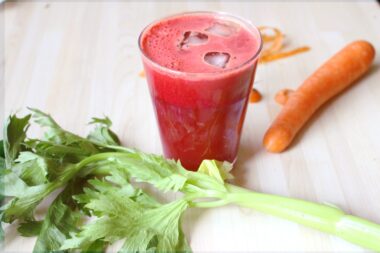
Your detox journey can begin with a simple juice cleanse. Juice cleanses typically last three to seven days and involve consuming nutrient-rich juices made from organic fruits and vegetables. These juices provide essential vitamins and minerals while allowing the digestive system to rest. Popular options include green juices from kale, spinach, and cucumber. However, it’s crucial to select high-quality, cold-pressed juices to maximize nutrient density. Supplementing your cleanse with herbal teas can aid digestion and reduce bloating. Another effective detox diet is the elimination diet. This approach involves removing commonly allergenic foods like dairy, gluten, and sugar from your meals. After a few weeks, you gradually reintroduce these foods to identify potential triggers. This method helps customize your diet to suit your unique needs. Intermittent fasting is also a viable option for detoxing. By ensuring fasting windows between meals, your body can efficiently focus on repair, rejuvenation, and detoxification processes. Be cautious not to over-restrict calories, as this may backfire, causing increased cravings and sluggishness. Always consult a healthcare professional for personalized advice.
The Mediterranean Detox Diet
The Mediterranean diet is celebrated for promoting longevity and overall well-being, making it an ideal option for detoxification after holidays filled with indulgence. This diet emphasizes whole foods, healthy fats, and lean proteins while minimizing processed items and added sugars. Essential components include olive oil, fresh fruits, vegetables, whole grains, legumes, nuts, and fish. These foods, rich in antioxidants, not only help your body detoxify but also reduce inflammation and improve heart health. A Mediterranean detox can include meals like grilled vegetables, chickpea salads, and baked fish seasoned with lemon and herbs. To fully commit to this diet, aim to incorporate mindful eating—savor each bite and enjoy the experience thoroughly. Drinking plenty of water is also crucial in the Mediterranean detox as it aids in flushing out toxins. Additionally, engaging in moderate exercise complements this approach, amplifying the detox benefits. Consider practices like walking, yoga, or swimming to enhance your post-holiday recovery. Ultimately, this detox encourages healthier habits, providing a balanced approach to nutrition for the long term and learning to appreciate wholesome foods.
Next on our list of effective detox diets is the Master Cleanse Lemonade Diet. This popular detox method involves consuming a mixture of fresh lemon juice, maple syrup, and cayenne pepper in water. This combination is consumed multiple times a day for a period, usually lasting around ten days. The primary goal behind the Master Cleanse is to gain vital nutrients while allowing your digestive system to rest. Many people report increased energy levels and improved clarity during and after completing this cleanse. It’s essential to maintain hydration by drinking adequate amounts of plain water as well. While the Master Cleanse can yield positive results, individuals with underlying health conditions, or those on medications, should consult their healthcare provider. This ensures that the cleanse aligns well with their specific health needs and that risks are mitigated. After completing the cleanse, it’s essential to transition slowly back into a regular eating pattern. Gradually reintroducing solid foods can help avoid overwhelming your system, thus maintaining the benefits gained during the cleanse.
The Whole30 Detox Diet
Whole30 is a powerful detox program lasting 30 days, focused on eliminating foods that might negatively affect your health and well-being. This diet categorically removes sugar, alcohol, grains, dairy, and legumes, promoting a return to whole, unprocessed food choices. Participants can enjoy nutrient-dense foods like meat, seafood, eggs, vegetables, and naturally occurring oils. The main objective is to cleanse your system to reset bodily functions and improve metabolism. Some individuals notice a dramatic shift in energy levels and better sleep quality after following Whole30. It’s vital to plan your meals well to ensure you’re excited about your food and not feeling deprived. Meal prep is key, making it easier to stay committed throughout the month. After completing Whole30, many individuals reflect on their experience through a reintroduction phase, carefully observing how their body reacts to the eliminated foods. This can provide crucial insights for healthier long-term eating habits while retaining the positive aspects of the detox journey. Whole30 is a robust approach for anyone seeking overall wellness enhancements post-holidays.
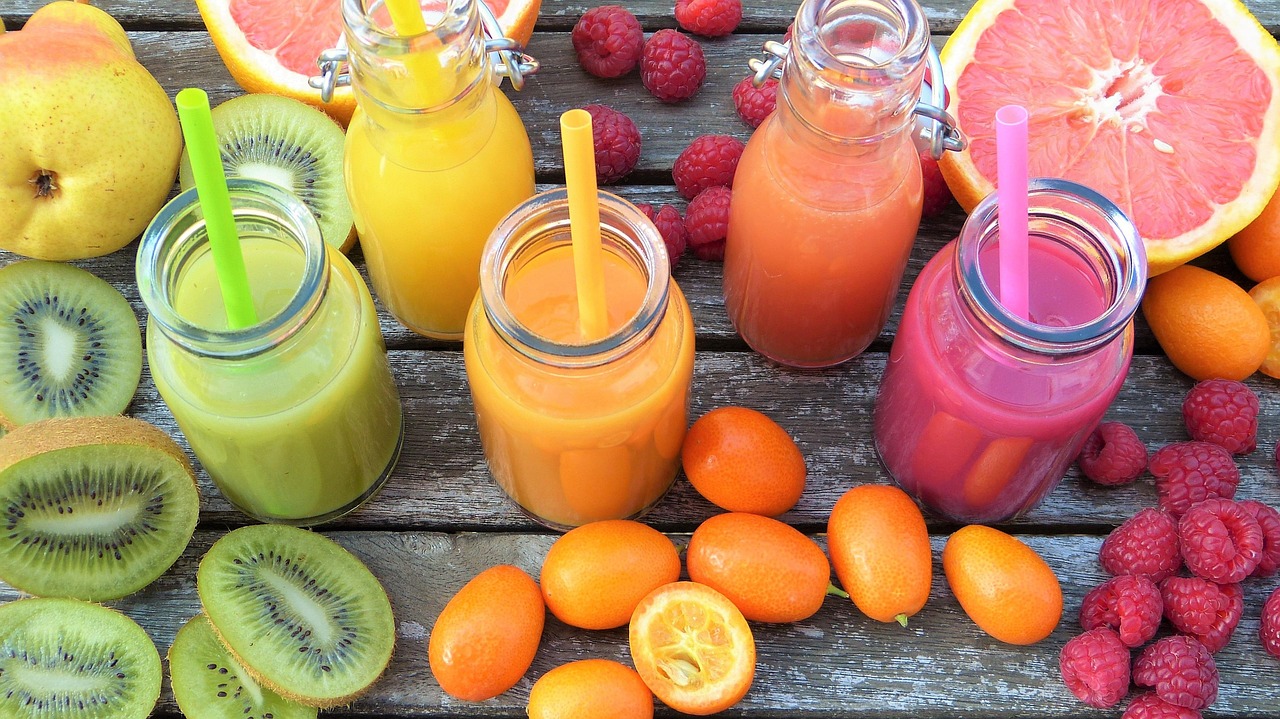
Another popular detox strategy is the high-fiber diet, which promotes regular digestion and detoxification. By incorporating fibers from whole foods such as fruits, vegetables, legumes, and whole grains, you naturally cleanse your system. Fiber-rich foods not only aid digestion effectively but also help maintain satiety, keeping hunger at bay. Choose options such as oats, chia seeds, berries, beans, and broccoli for maximum benefits. Smoothies with your favorite high-fiber ingredients can also be a delicious and effective way to boost your intake. This detox diet helps support gut health by enabling beneficial bacteria to flourish. A healthy gut often leads to better absorption of nutrients, meaning your body can detoxify more efficiently. In addition to fiber-rich foods, stay well-hydrated and consider herbal teas like peppermint or ginger, which further support digestive health. Some people may find that enhancing their water intake helps in better elimination of toxins as well. This detox plan is particularly appealing for those reluctant to restrict food types, as it primarily focuses on enhancing the quality of what you consume.
Raw Food Detox Diet
A raw food detox diet encourages individuals to consume uncooked and unprocessed foods, focusing primarily on fruits, vegetables, nuts, and seeds. Eating raw is believed to retain more nutrients, as cooking can often diminish vital vitamins and enzymes. This detox emphasizes simplicity and freshness while promoting an increase in energy, clearer skin, and improved digestion. Starting a raw food detox can be challenging, especially if you’re used to cooked meals, but it can be refreshing and invigorating. Prepare colorful salads, delicious smoothies, and nourishing snacks that satisfy your cravings. Think about sunflower seed or almond spreads and create dips with raw veggies. Keep in mind, symphony of flavors plays a significant role in maintaining interest in raw eating. Balance is essential to ensure you get all the necessary nutrients throughout this detox. Take time to listen to your body; cravings and energy fluctuations may signal necessary adjustments. You can combine this approach with short juice fasting days to keep your body revitalized while committing to a fully raw diet.
Finally, consider the detoxifying benefits of incorporating intermittent fasting into your lifestyle. Not strictly a diet, intermittent fasting is an eating pattern that cycles between periods of eating and fasting. This approach offers various health benefits, including improved insulin sensitivity, enhanced metabolism, and better digestive health. By allowing your body to enter a state of fasting, it can divert energy towards cleansing and repair rather than digestion. This shift can promote the efficient elimination of built-up toxins left by holiday indulgences. Popular intermittent fasting methods include the 16/8 method, which involves fasting for 16 hours, mainly overnight, and eating during an 8-hour window. Always choose nutrient-dense foods during your eating window to fuel your body effectively and replenish essential nutrients. Stay hydrated with water, herbal teas, or black coffee to remain energized throughout your fast. Intermittent fasting isn’t for everyone, so it’s important to assess your body’s response and consult with healthcare professionals if needed. For some, this approach becomes a sustainable part of their lifestyle, promoting continuous health and detoxification benefits.